

Detailing vs a Car Wash: Why the Price Difference Makes Sense
Minutes vs Hours: That's the Real Difference
A car wash takes about five to ten minutes. A full detail takes several hours. That time difference explains almost everything about why these two services cost what they do and deliver what they deliver.
What is the difference between detailing and a car wash comes down to is depth. A car wash removes loose dirt from the surface. A detail removes contamination you can't see, addresses areas a wash never touches, and restores surfaces rather than just rinsing them. One is maintenance. The other is restoration.
At Kleen Whips Auto Detailing in Bel Air, we get this question a lot. People aren't trying to avoid paying for quality. They just want to understand what they're actually getting. This article breaks it down in practical terms so you can decide what makes sense for your car and your situation.
What a Car Wash Actually Does
Let's start with what happens when you run through a tunnel wash or pull into a hand wash bay.
The car gets wet. Soap gets applied. Brushes or mitts scrub the surface. The car gets rinsed. Maybe a dryer blows off some water. Maybe someone towels it off quickly. Done.
That process removes loose dirt and road film sitting on top of your paint. It makes the car look cleaner than it did when you pulled in. For regular maintenance between deeper cleanings, that's fine. Nobody is saying car washes are useless.
But here's what a car wash doesn't do:
- Remove bonded contamination embedded in the paint
- Clean inside door jambs, fuel doors, or trunk edges
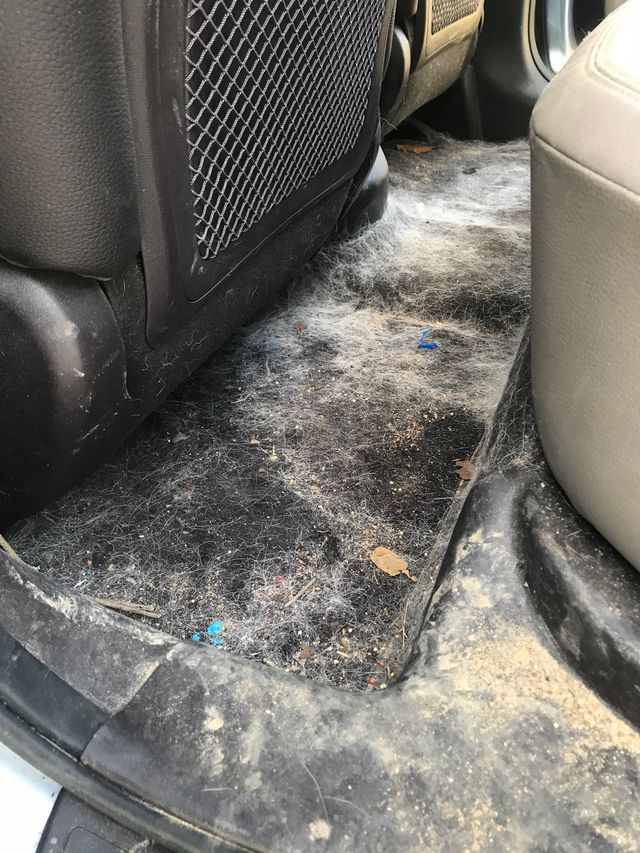
- Address interior surfaces beyond a quick vacuum
- Condition leather or treat fabric
- Remove water spots or mineral deposits properly
- Restore oxidized trim or faded plastic
- Protect the paint with anything lasting
A wash handles the obvious stuff. It doesn't go deeper than that. The equipment and time don't allow for it.
What Happens During a Detail
A detail is a different kind of service entirely. It's not a better car wash. It's a different process with different goals.
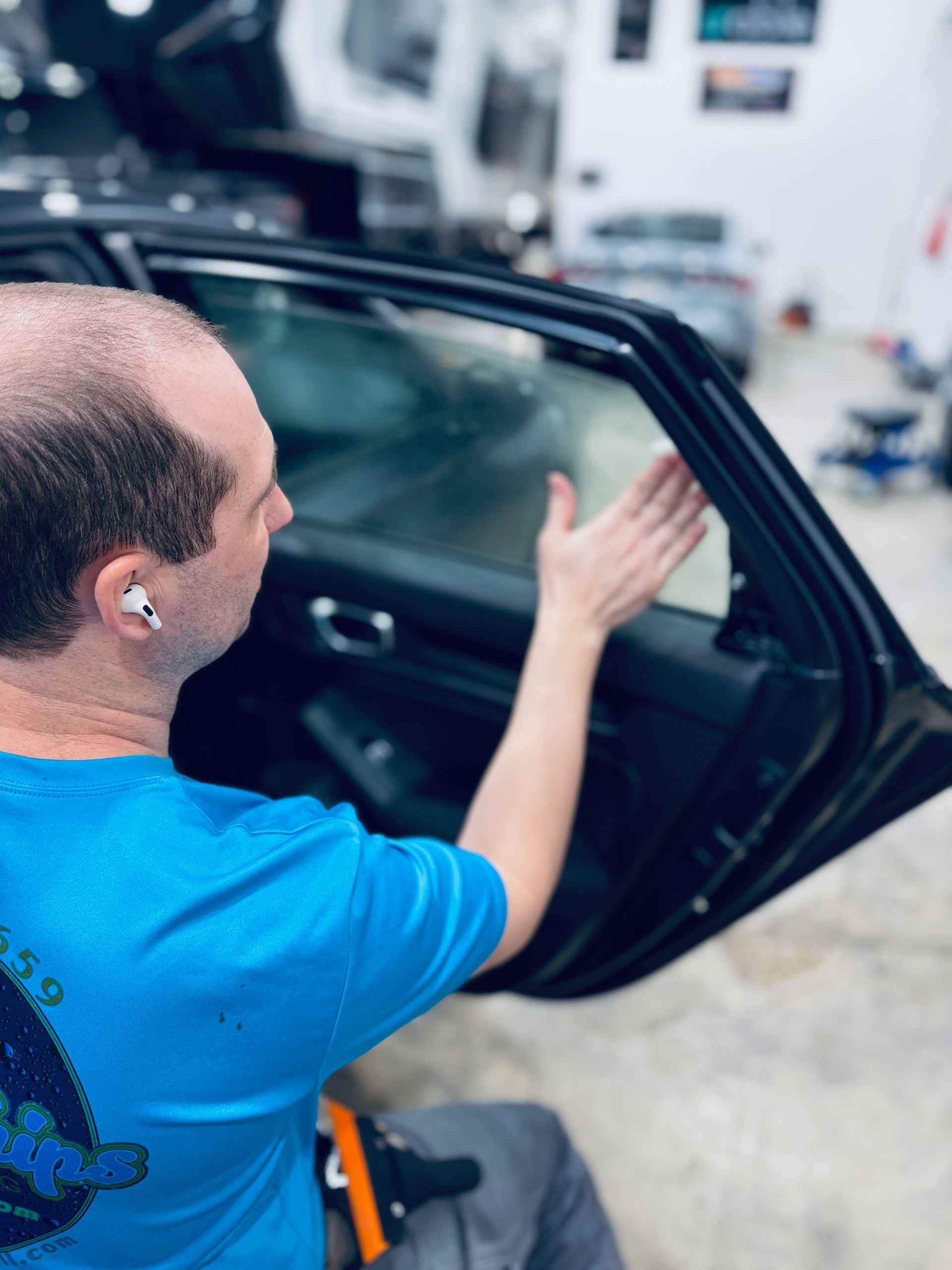
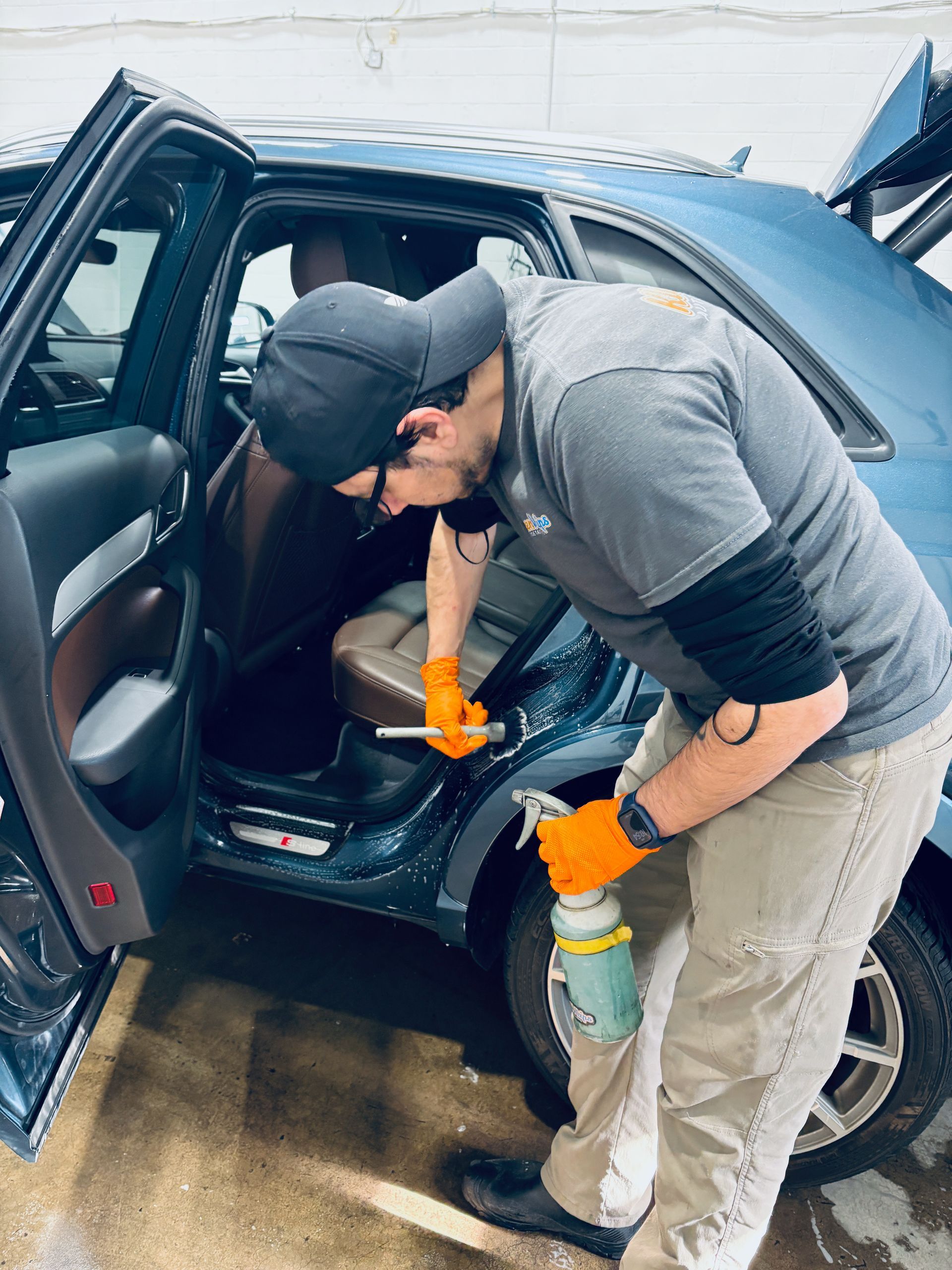
When your car comes in for a full detail, every surface gets individual attention. The exterior goes through multiple stages: wash, decontamination, correction if needed, and protection. The interior gets deep cleaned, not just vacuumed. Areas you never think about get addressed.
Here's what those extra hours actually produce:
Exterior Work:
The wash itself is just the starting point. After rinsing, the paint goes through decontamination. That means clay bar treatment to pull bonded particles off the surface. Industrial fallout, brake dust, tree sap residue, and rail dust all embed in clear coat over time. You can't see them, but you can feel them if you run your hand across the paint. A wash doesn't remove this stuff. It stays there until someone takes the time to pull it off.
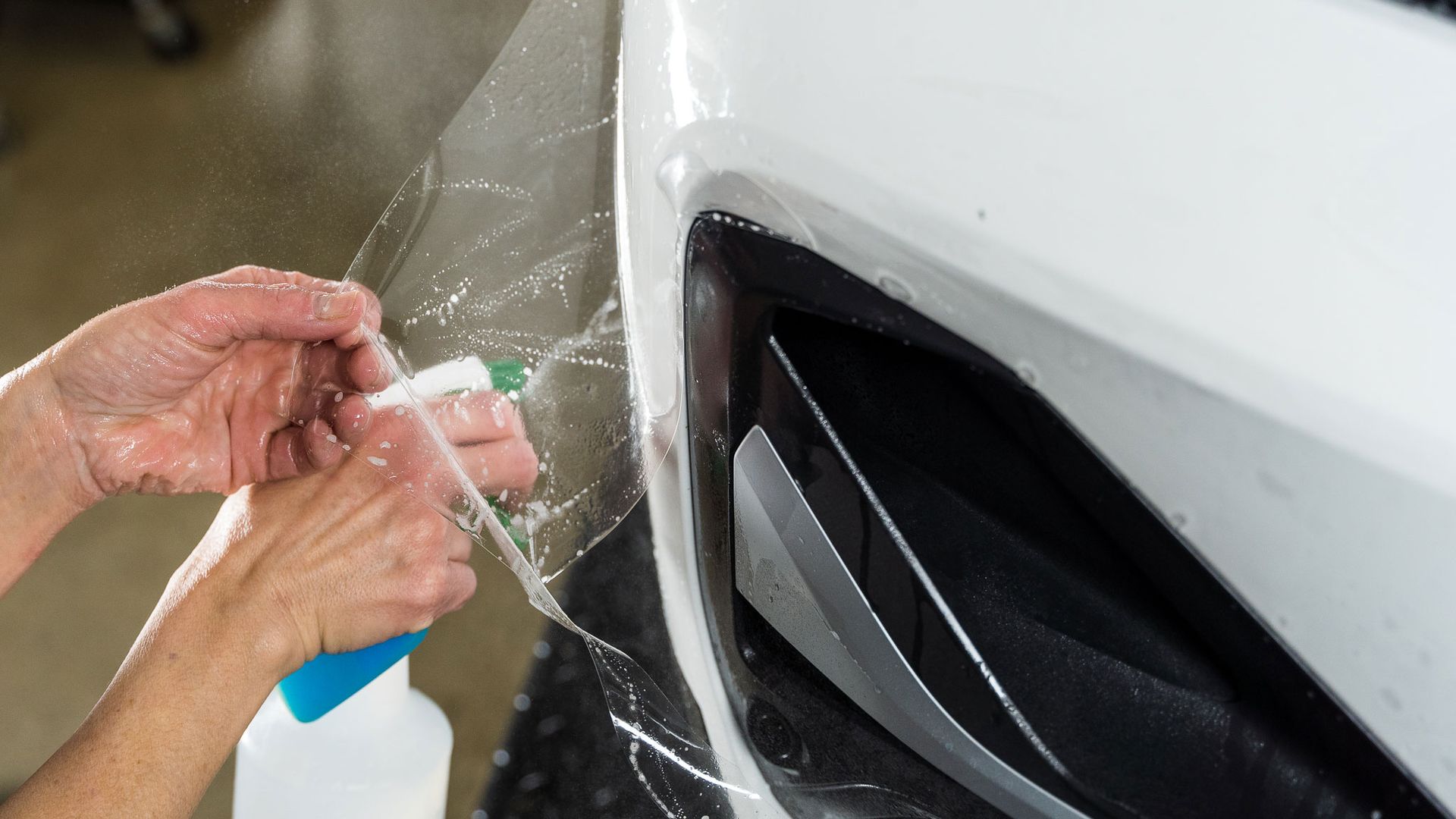
After decontamination, protection goes on. That might be a sealant, a wax, or a coating depending on what service you choose. These products bond to the paint and provide a barrier against UV, water spots, and environmental contamination. They last weeks or months, not until the next rain.
Door jambs get wiped down. The fuel door gets cleaned. Badge edges and trim lines get detailed. Wheels and tires get more than a spray and rinse. The rubber gets dressed. The wheels get properly scrubbed in the barrel and between the spokes.
Interior Work:
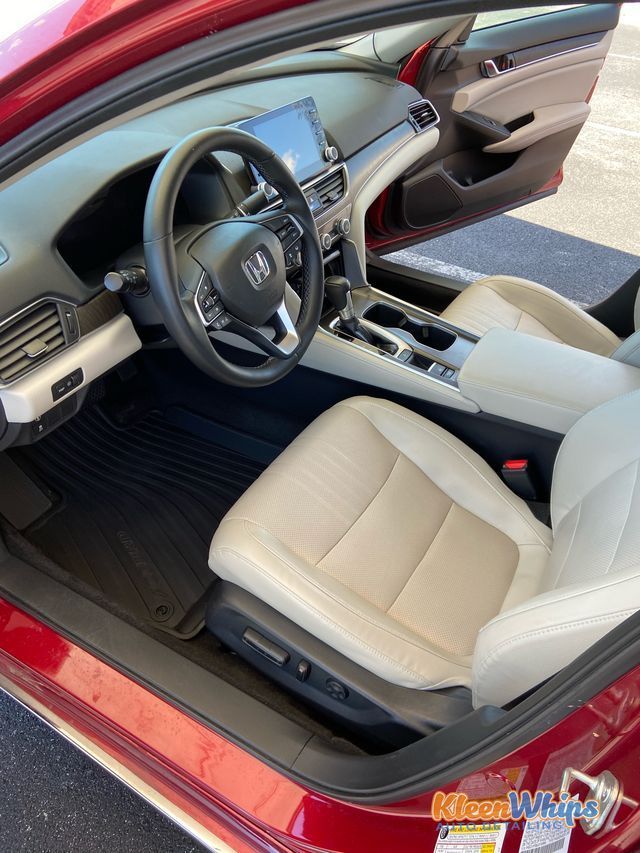
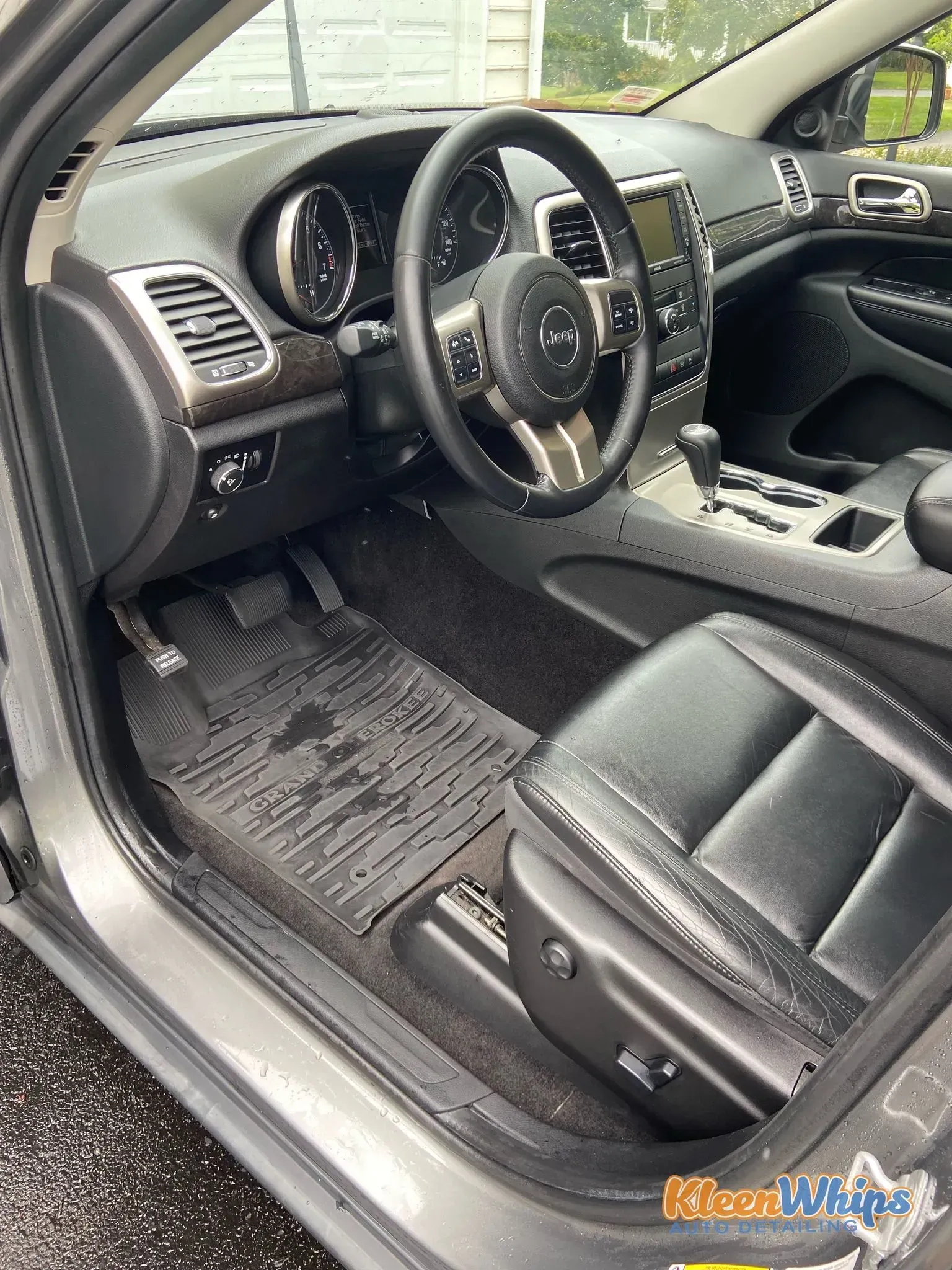
Inside, a detail goes surface by surface. Seats get vacuumed in the seams, not just across the top. Carpet gets extracted if needed. Leather gets cleaned and conditioned. Plastic and vinyl surfaces get wiped down with appropriate products, not just a damp rag.
Cup holders get scrubbed. Air vents get cleaned between the slats. The headliner gets attention if it's dirty. Door pockets get emptied and wiped. Glass gets cleaned inside and out without streaking.
You know that smell when you get into a freshly detailed car? That's not air freshener covering up problems. That's the smell of clean.
The Equipment Difference
Car washes use equipment designed for speed. Tunnel washes need to push cars through quickly to make money. Even hand washes at high-volume shops need to turn cars over fast.
The brushes in automatic washes are designed to scrub quickly, but that speed can actually damage paint over time. Dirt gets dragged across the surface. Swirl marks accumulate. The very process that cleans the car also slowly wears down the finish.
Detail shops use different tools. Machine polishers with soft pads. Clay bars and lubricants for decontamination. Steam cleaners for interior surfaces. Extractors for carpet and upholstery. Each tool is designed to do a specific job without causing damage.
This equipment costs money. Learning to use it properly takes time. Both of those factors show up in the price of a detail.
What Gets Skipped at a Car Wash
There's a long list of areas that car washes simply don't touch. Not because they're lazy, but because the business model doesn't allow for it. When you're charging a fraction of the price and doing it in minutes, certain things have to get skipped.
Areas car washes typically miss:
- Inside door jambs and trunk jambs
- The fuel door and gas cap area
- Under the hood edges visible when opened
- Badge edges and emblem surrounds
- Behind mirrors and around trim
- Wheel barrels and inner fenders
- Interior crevices and seat seams
- Dashboard vents and controls
- Seat belt buckles and receivers
- Headliner spots and stains
These aren't glamorous areas. Most people don't notice them until someone points them out. But when you see a car that looks truly clean, it's because someone took the time to address all of it.
A detailing service goes through these areas systematically. Nothing gets skipped because the clock isn't running the way it does at a wash.
The Paint Condition Question
Here's something most people don't realize. Car washes can actually make your paint worse over time.
Those spinning brushes in tunnel washes hold onto grit from previous cars. That grit gets dragged across your paint. The result is thousands of tiny marks in the clear coat that show up as swirl marks in direct sunlight. Drive through a tunnel wash every week for a year and your paint will show it.
Even touchless washes have limitations. The chemicals strong enough to remove dirt without contact are also harsh on wax, sealants, and sometimes the clear coat itself.
A proper detail, on the other hand, uses wash methods designed to avoid adding damage. Two-bucket technique with grit guards. Clean mitts for each section. Proper lubrication. Careful rinsing. The goal is to clean without leaving marks.
If your paint already has swirl marks and light defects, paint correction can remove them. That's something no car wash offers because it requires hours of skilled machine polishing.
How Often You Need Each Service
Both car washes and details have their place. The question is how to use them together.
Most people benefit from a full detail two to four times per year, depending on how they use their car. Between details, regular maintenance washes keep surface dirt from building up. That combination keeps your car looking good without overdoing it.
If you only ever wash your car and never detail it, contamination builds up, interior grime accumulates, and your paint slowly degrades. If you detail constantly and skip regular washes, you're spending more than you need to.
The sweet spot is using washes for maintenance and details for restoration. Get the dirt off regularly. Get the deep clean and protection a few times a year.
Making Sense of the Price Gap
A tunnel wash might cost ten or fifteen dollars. A full detail costs several times that. Why?
Labor is the biggest factor. A tunnel wash involves minimal labor. A detail involves someone working on your car for hours. Even at modest hourly rates, the time adds up quickly.
Products matter too. Detail shops use professional-grade cleaners, polishes, and protectants that cost more than the soap concentrate in a tunnel wash. Those products deliver better results and last longer.
Equipment has costs. Machine polishers, extractors, steam cleaners, and specialized tools represent significant investment. That investment gets spread across the services performed.
Expertise counts. A good detailer knows how to handle different paint types, different interior materials, and different levels of contamination. That knowledge comes from training and experience. It has value.
When you pay for a detail, you're paying for all of that. You're paying for someone to spend hours making your car genuinely clean, not just surface-level presentable.
When a Detail Makes the Most Sense
Certain situations call for detailing more than others. Knowing when to invest in one helps you get the most value.
Before a road trip. You're about to spend hours in the car with family. A clean interior makes the trip more pleasant. A protected exterior handles bugs and road debris better.
Spring cleaning. Winter salt, grime, and contamination need to come off properly. A detail after winter ends removes everything that accumulated and protects the paint going forward.
Before selling or trading. A detailed car shows better and photographs better. Buyers notice the difference even if they can't articulate it. The investment often pays back in the sale price.
New car protection. You just bought something you want to keep nice. Starting with a detail and protection package gives you the best foundation.
Annual maintenance. Even if your car isn't filthy, an annual detail keeps things from slowly degrading. Prevention costs less than correction.
What to Expect When You Book One
If you've never had a detail before, here's what happens.
You drop off the car and discuss what you want addressed. The detailer assesses the condition and confirms the scope of work. Then the car goes into the shop.
Depending on the service level, the work takes several hours. You can drop the car off and pick it up later, or wait if the shop has that option. When it's done, you'll see the results immediately.
A properly detailed car looks different. The paint has depth and gloss. The interior feels fresh. Areas you never noticed suddenly look clean because someone actually cleaned them.
That difference is what you're paying for. Not a fast rinse. Not a quick vacuum. Real, thorough work that takes time and skill.
The Bottom Line
Car washes and details serve different purposes. One is quick maintenance. The other is thorough restoration. The price difference reflects the time, equipment, products, and expertise involved.
Neither one is inherently better. They're just different tools. Use washes to keep surface dirt off between services. Use details to actually clean, correct, and protect your car.
If you've only ever used car washes and wonder what you're missing, try one detail and see the difference. Contact Kleen Whips Auto Detailing when you're ready. We'll explain exactly what's involved and help you choose the service level that fits your car and your situation.
Frequently Asked Questions
How often should I get my car detailed instead of washed?
Most car owners benefit from a full detail two to four times per year, with regular washes in between. The exact frequency depends on how you use your vehicle, where you park it, and how particular you are about its condition. Someone who drives daily and parks outside needs more frequent attention than someone with a garage-kept weekend car. Details handle deep cleaning and protection. Washes handle surface maintenance between those services.
Will a car wash damage my paint over time?
Tunnel washes with spinning brushes can cause swirl marks over time. Grit from previous cars gets trapped in the brushes and dragged across your paint. Touchless washes avoid physical contact but use harsh chemicals that strip protection. Neither type actively maintains your paint. They just remove surface dirt. A detail, by contrast, uses methods designed to clean without adding damage and often includes protection that helps your paint hold up better.
What does paint decontamination mean exactly?
Decontamination removes bonded particles that regular washing can't touch. Things like industrial fallout, brake dust, rail dust, and tree sap residue embed in your clear coat at a microscopic level. You can feel them as roughness when you run your hand across clean paint. A clay bar treatment pulls these contaminants off, leaving the surface genuinely smooth. This step only happens during a detail because it takes time and specific technique. Car washes skip it entirely.
Is detailing worth it for an older car?
Yes, often more so than for a new car. Older vehicles have accumulated contamination, oxidation, and interior wear that benefits from proper attention. A detail can make a ten-year-old car look dramatically better. Paint correction can remove years of swirl marks. Interior deep cleaning can address stains and odors that have built up. The transformation is often more visible on older cars because they have more room for improvement.
Can I just detail my own car at home?
You can do some of it, but achieving professional results at home is difficult. The equipment, products, and techniques that detailers use take years to learn properly. Exterior decontamination, machine polishing, and paint correction require experience to do without causing damage. Interior extraction and leather conditioning require proper tools. Many people handle routine maintenance at home and bring their car to a professional for periodic deep work. That combination works well for most owners.