
How Much Paint Protection Film Costs and What Drives the Price
Why PPF Quotes Vary So Much Between Shops
You called three shops for paint protection film quotes. You got three very different numbers. Now you're wondering if someone is overcharging or if someone is cutting corners. The confusion is understandable because how much does paint protection film cost depends on variables that aren't always explained upfront.
Here's what most people don't realize: PPF pricing isn't arbitrary. Every quote reflects specific decisions about coverage area, film quality, vehicle complexity, and prep work. Shops that give wildly different numbers are often quoting different things entirely. Understanding ppf price factors helps you compare apples to apples and have smarter conversations with any installer you talk to.
At Kleen Whips Auto Detailing in Bel Air, we explain exactly what affects your quote. This article does the same thing. By the end, you'll know what moves the price up or down and why certain coverage options cost what they do.
Coverage Zones: The Biggest Factor in Price
The single largest variable in any PPF quote is how much of your car gets covered. More coverage means more film, more labor, and higher cost. Different coverage packages exist because not everyone needs or wants the same degree of protection.
Partial Front Coverage
This is often the starting point for people exploring PPF. Partial front coverage typically protects the most vulnerable areas without wrapping the entire front end. Think of the lower portion of the bumper, the leading edge of the hood, and the area behind the front wheel wells where road debris hits hardest.
Partial coverage costs less because it uses less material and takes less time to install. It makes sense for drivers who want meaningful protection on the highest-impact zones without the investment of full coverage. The trade-off is that unprotected areas remain exposed to chips and damage.
Full Front PPF
Full front ppf covers the entire front clip of the vehicle. That means the full hood, full front bumper, full fenders, mirrors, and sometimes the headlights and A-pillars. This package protects everything that faces the road during highway driving.
Full front costs more than partial because it covers significantly more surface area. The hood alone represents a large panel that takes time to wrap correctly. Adding fenders and mirrors increases both material and labor. For most daily drivers who accumulate highway miles, full front hits the right balance of protection and value.
Track Packages and Extended Coverage
Some drivers want protection that extends past the front end. Track packages typically add the rocker panels, rear wheel arches, and rear bumper. These areas catch debris kicked up by your own tires, particularly at speed.
Extended coverage costs more than full front because you're adding multiple complex panels. Rocker panels run the length of the vehicle. Rear bumpers have curves and edges that take time to wrap properly. This type of coverage makes sense for performance vehicles, cars driven on track days, or owners who want thorough protection across more surfaces.
Full Body Coverage
Covering an entire vehicle in PPF is the most protective option and the most expensive. Every painted panel gets film. Nothing remains exposed to road debris, environmental contamination, or minor contact damage.
Full body PPF represents a significant investment. You're paying for film to cover surfaces that face minimal impact risk. The labor hours multiply substantially. This option typically makes sense for high-value vehicles, collectible cars, or owners who want the maximum possible paint preservation regardless of cost.
Vehicle Size and Complexity
Two cars getting the same coverage package can have very different price tags. Vehicle characteristics affect how much film gets used and how long installation takes.
Overall Size
A compact sedan has less surface area than a full-size SUV. Less surface area means less film and faster installation. The hood on a sports car might be half the size of the hood on a pickup truck. These differences add up across every panel.
Larger vehicles cost more to wrap simply because there's more of them to cover. This applies to every coverage option from partial front to full body.
Panel Complexity
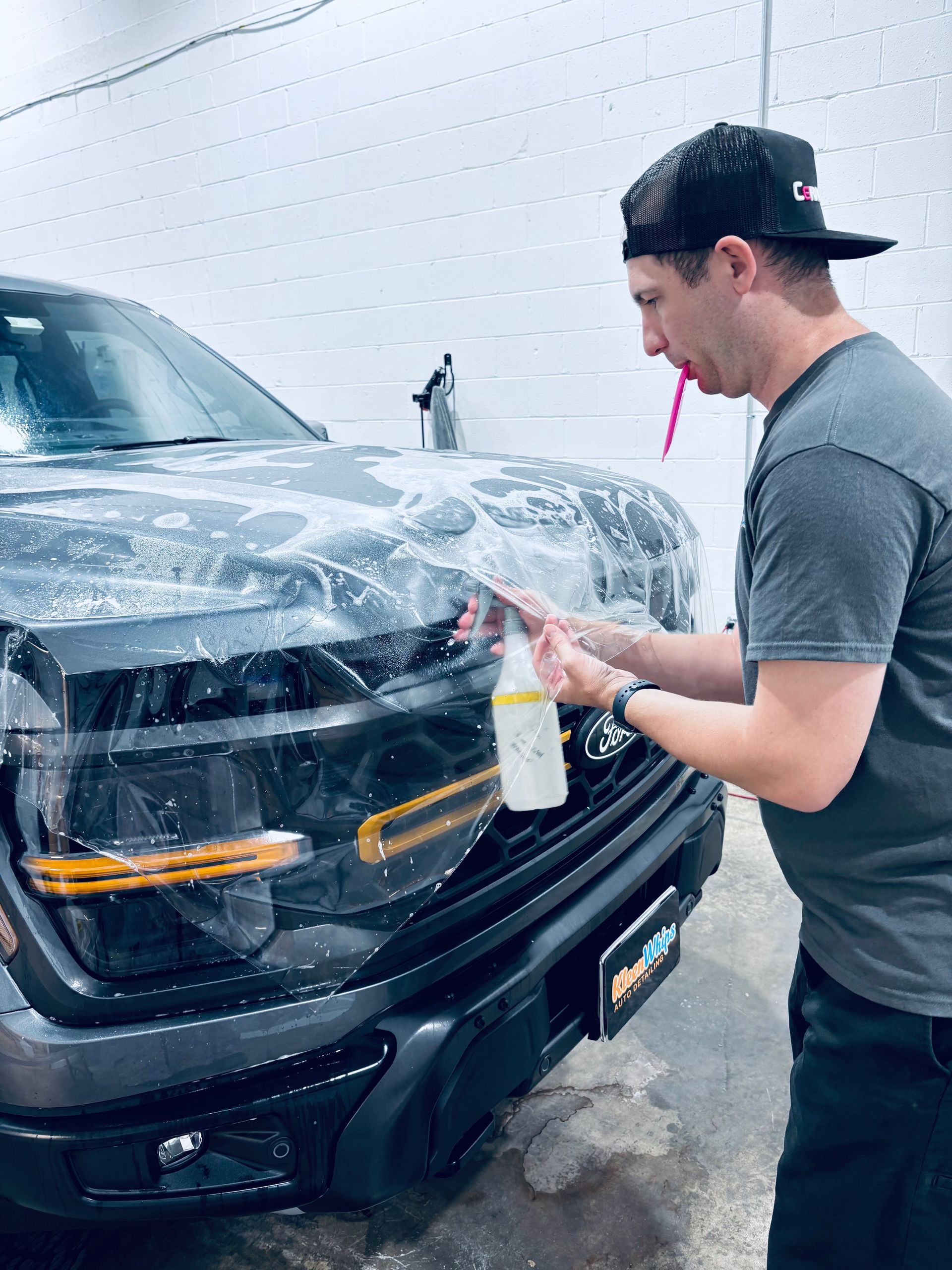
Some vehicles have simple, relatively flat panels. Others have aggressive curves, body lines, and complex shapes that make installation more challenging. A car with dramatic fender flares takes longer to wrap than one with smooth, flowing lines.
Complexity matters because it affects how the film needs to be cut, stretched, and tucked. More complex panels require more skill, more time, and sometimes more film due to trimming and repositioning. Installers factor this into their quotes.
Recessed Areas and Details
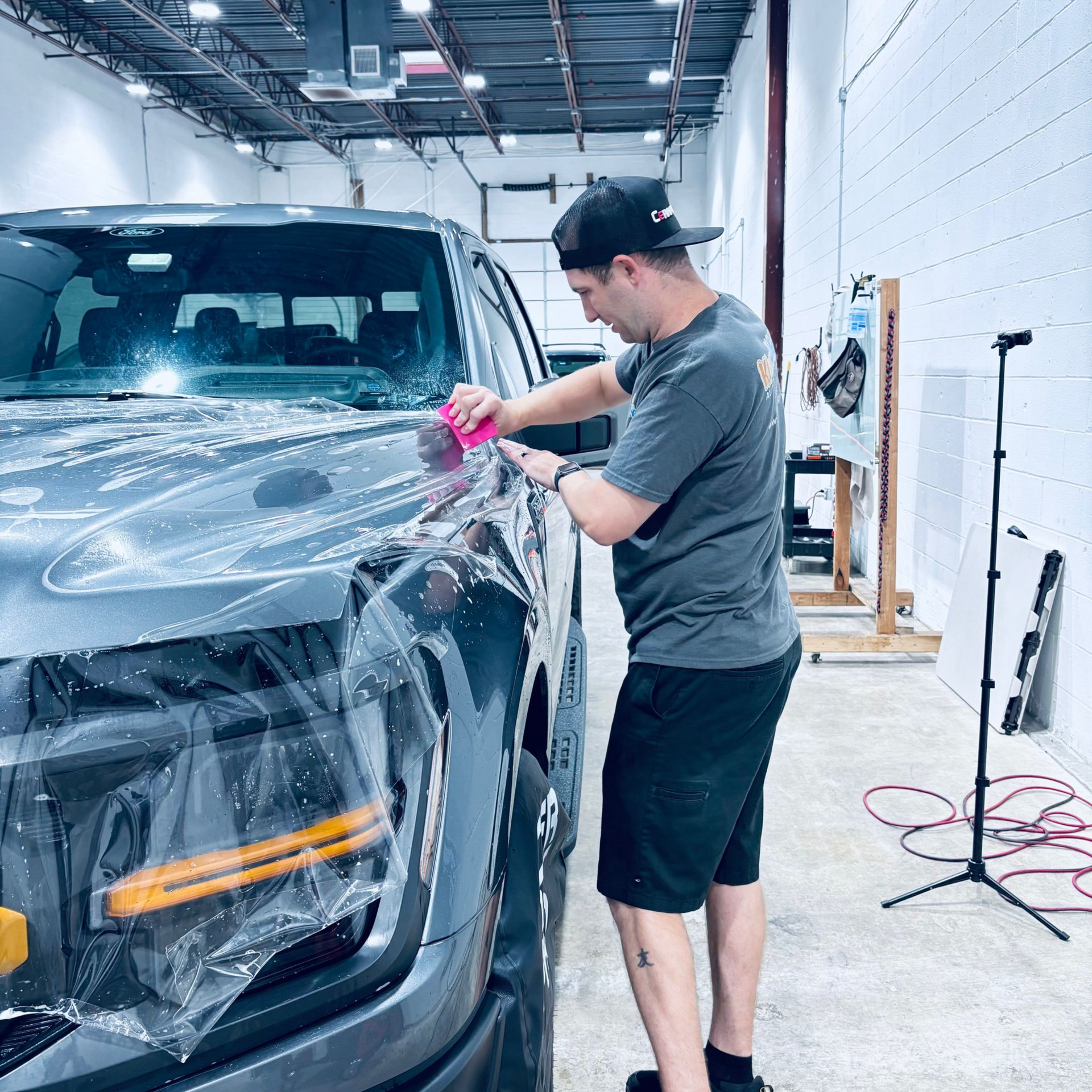
Modern vehicles often have recessed emblems, sensor housings, washer nozzles, and other details that interrupt smooth panels. Each of these requires careful work to wrap around or cut out cleanly.
A bumper covered in parking sensors takes longer than a clean bumper without them. Headlight housings with integrated details need precise cutting. These factors affect labor time and get reflected in pricing.
Film Quality and Characteristics
Not all PPF is created equal. Different films have different properties, and higher-performing films generally cost more.
Self-Healing Properties
Many modern films include self-healing top coats that allow minor surface marks to disappear with heat exposure. This technology adds to the film's cost but extends how long the film looks new.
Films without self-healing properties may cost less initially but show wear sooner. The choice affects both the quote and the long-term appearance of the installation.
Thickness and Durability
Films come in different thicknesses, typically measured in mils. Thicker films offer more impact protection but cost more per square foot. Some applications benefit from thicker film, particularly high-impact areas on the front end.
The film your installer uses affects the quote. Higher-quality films from reputable manufacturers cost more than lower-grade alternatives. This is one reason quotes differ between shops using different product lines.
Clarity and Finish Options
Standard PPF is clear and designed to be invisible on the paint. Some films offer matte finishes for vehicles with matte paint, or satin options for specific looks. Specialty films cost more than standard clear.
If your vehicle has non-standard paint that requires specialty film, expect the quote to reflect that difference.
Prep Work and Paint Condition
What happens before the film goes on affects the final price. Prep work varies depending on your vehicle's condition.
New Vehicle Prep
A brand new car with perfect paint needs minimal prep. A quick wash, decontamination, and panel wipe prepares the surface for film. This is the simplest scenario and keeps prep costs low.
Used Vehicle Prep
A used car may need more attention. Paint correction before film removes swirl marks and defects that would otherwise be locked under the film permanently. Paint correction adds time and cost but ensures the best possible result.
Decontamination removes embedded contaminants from the paint surface. Used vehicles typically have more buildup than new ones. Professional detailing services address this prep work thoroughly. The process takes longer and costs more accordingly.
Existing Damage
If your paint has chips, marks, or areas of damage, the installer needs to work around them or you need to address them before installation. Some damage can be touched up. Some can't be hidden. Discussing paint condition upfront helps avoid surprises in the quote.
Installation Quality and Environment
Where and how the film gets installed matters more than most people realize.
Controlled Environment
Professional PPF installation happens in a controlled environment. Temperature, humidity, and air quality all affect how the film adheres and cures. Shops with proper facilities can deliver consistent results regardless of weather outside.
Maintaining that environment has costs. Temperature control, filtered air, and proper lighting all factor into shop overhead. That overhead shows up in pricing.
Installer Skill and Experience
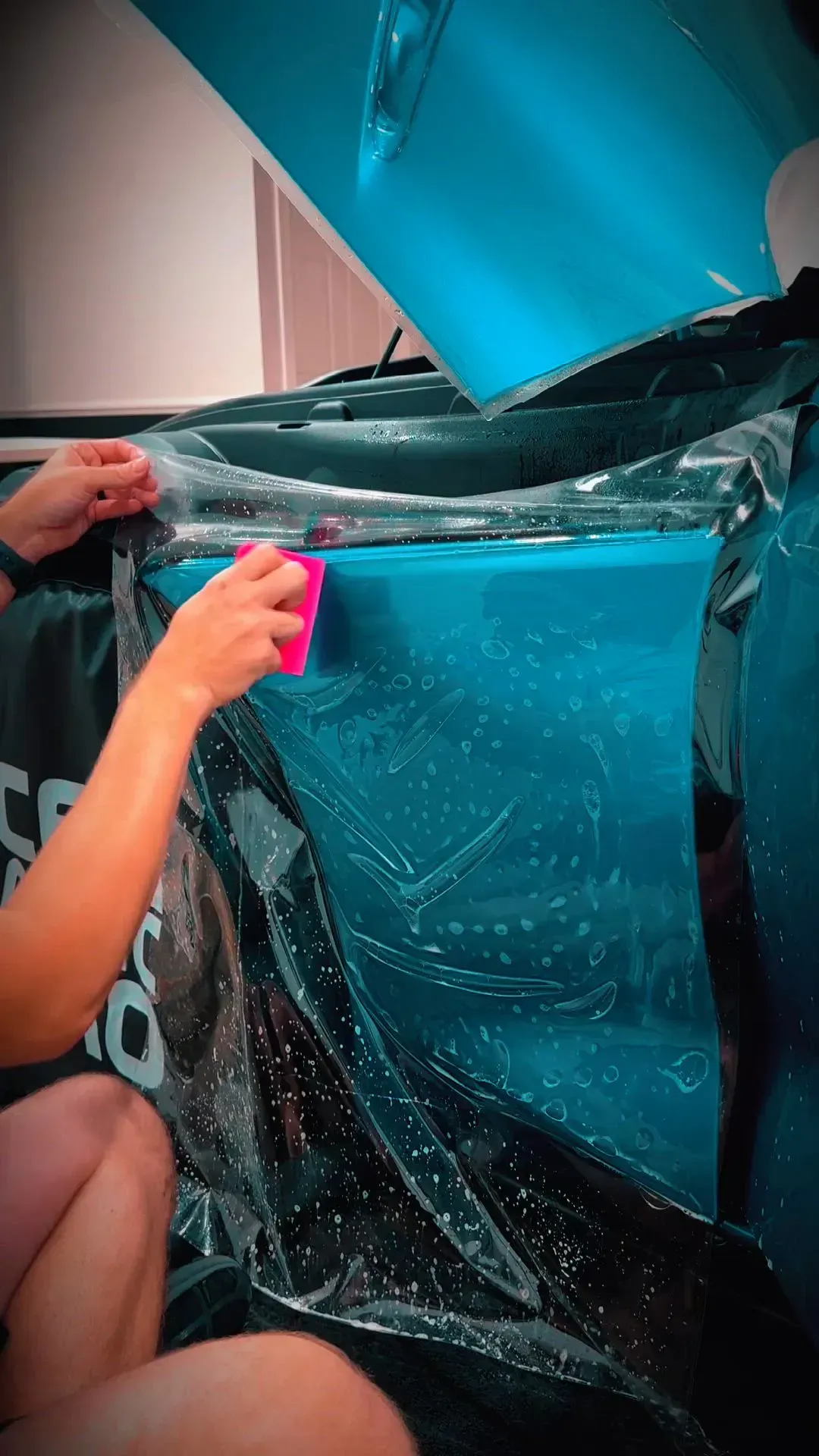
PPF installation requires precision and experience. Seasoned installers work faster without sacrificing quality. They handle complex panels confidently. They know how to avoid common problems like lifting edges, contamination under the film, and misaligned patterns.
Skill matters because poor installation creates problems that cost more to fix than doing it right the first time. Shops with experienced installers may charge more, but the results justify the difference.
Pattern Systems
Professional installers use computer-cut patterns sized specifically for each vehicle. These patterns ensure proper fit and reduce waste. Developing and maintaining pattern libraries requires ongoing investment.
Hand-cut installations can work for simple applications but take longer on complex panels. Most professional shops use pattern systems, and that capability factors into their pricing structure.
How to Compare Quotes Effectively
When you're gathering quotes, a few practices help you understand what you're actually being offered.
Confirm the coverage area. Make sure each shop is quoting the same panels. Partial front from one shop might mean different panels than partial front from another. Get specific about what's included.
Ask about the film being used. Not all films are equivalent. Understanding what film the shop uses helps you compare quality, not just price. Reputable shops are transparent about their materials.
Understand what prep is included. Some quotes include decontamination and surface prep. Others assume your car arrives ready for installation. Know what's in the number.
Ask about their facility and process. A shop that invests in proper environment and training delivers different results than one that doesn't. Price reflects these differences.
Look at their work. Ask to see completed installations. Edges should be clean. Film should be smooth without bubbles or contamination. Quality work looks like quality work.
What You're Actually Paying For
Understanding paint protection film pricing helps you appreciate what goes into a quality installation.
You're paying for material. Film costs money, and more coverage means more film.
You're paying for labor. Installation takes hours of focused work by skilled technicians.
You're paying for environment. Proper facilities maintain consistent results.
You're paying for expertise. Experienced installers deliver better outcomes.
You're paying for warranty support. Professional paint protection film installations typically include manufacturer warranties that require certified installation.
When a quote seems high, consider what's included. When a quote seems low, ask why. The goal is understanding value, not just finding the lowest number.
Making the Right Choice for Your Vehicle
Different situations call for different coverage options. Here's how to think about it.
If you drive mostly local miles at low speeds, partial coverage protects the highest-risk areas at the lowest investment. The front bumper takes the most abuse in stop-and-go driving.
If you commute on highways regularly, full front coverage makes sense. Highway speeds mean higher-impact debris hitting your entire front end.
If you track your car or drive aggressively, extended coverage protects areas that standard packages miss. Your own tires kick debris onto rockers and rear panels at speed.
If you own a high-value or collectible vehicle, full body coverage preserves everything. The investment makes sense relative to the vehicle's value.
Clear bra cost scales with protection scope. Match the coverage to your actual needs and you'll find the right balance between protection and investment.
Ready to Get an Accurate Quote
Now you understand the factors behind how much does paint protection film cost. Coverage area, vehicle characteristics, film quality, prep requirements, and installation quality all affect the final number.
The next step is getting a quote based on your specific vehicle and protection goals. At Kleen Whips Auto Detailing, we assess your vehicle, discuss your driving habits, and suggest coverage that makes sense for your situation. You'll know exactly what's included and why.
Want clarity on what PPF costs for your car? Get in touch and we'll walk you through it. We'll give you a number that reflects real work on your real vehicle, explained in terms that make sense.
Frequently Asked Questions
Why do PPF quotes differ so much between shops?
Shops quote different things even when using similar language. Partial front at one shop may include more or fewer panels than another. Film quality varies significantly between product lines. Prep work may or may not be included. Installation environment and installer experience differ. When quotes seem wildly different, ask each shop to specify exactly what panels get covered, what film they use, and what prep is included. You'll often find the quotes aren't as comparable as they first appeared.
Is full front coverage worth the extra cost over partial?
For most daily drivers who accumulate highway miles, yes. Partial coverage protects the lowest portions of the bumper and hood edge where most debris hits. But chips can land anywhere on the front end at highway speed. Full front coverage ensures nothing on the leading surfaces remains exposed. If you drive mostly local roads at low speeds, partial may be sufficient. If you spend significant time on highways, full front protection typically makes more sense.
Does paint condition affect my PPF quote?
Yes. A new car with perfect paint needs minimal prep before film goes on. A used vehicle with swirl marks, contamination, or minor defects needs correction and thorough decontamination first. That additional work adds to the total investment. Some shops include prep in their quotes while others quote it separately. Always clarify what condition your vehicle needs to be in for the quoted price and whether prep is included.
How does vehicle size change the price?
Larger vehicles have more surface area to cover. More surface area means more film and more installation time. A compact car costs less to wrap than a full-size truck simply because there's less of it. This applies proportionally across all coverage options. If you're comparing quotes between different vehicles, size differences explain much of the price variation even when coverage packages have the same name.
Should I get PPF on a leased vehicle?
It depends on your lease terms and how long you'll have the car. If you plan to drive the vehicle for the full lease term and accumulate significant miles, protecting the paint helps avoid damage that could affect your return inspection. Film can typically be removed at lease end if required. If your lease is short or you drive minimal miles, the investment may not pay back before you return the vehicle. Consider your specific situation and lease requirements before deciding.