

A Long-Term Care Routine for a Ceramic-Coated Car
What Happens After the First Month
You followed the initial aftercare instructions. You avoided washing for those first few days. You kept the car dry during the curing window. Maybe you even parked in the garage to protect the fresh coating while it hardened.
So what comes next?
Most ceramic coating long-term care routine advice stops right there. The first week or two gets all the attention. But the coating does not stop needing care once it cures. It needs consistent, thoughtful maintenance over months and years to perform the way it should. That ongoing attention is what separates coatings that hold up from those that disappoint.
At Kleen Whips Auto Detailing in Bel Air, we see cars come back after a year or two with coatings in very different conditions. Some still bead water beautifully. Others have dulled, with water sheeting instead of rolling off. The difference almost always comes down to what happened between the installation and that return visit.
This article picks up where most guides leave off. We will cover ceramic coating maintenance through month two and onward, with practical steps you can actually stick to.
Why Long-Term Care Matters
Your ceramic coated car wash routine affects more than appearance. It affects how the coating performs over time.
Ceramic coatings create a hydrophobic surface. Water forms tight beads and slides away, taking dirt along with it. That property makes the car easier to clean and helps it stay cleaner between washes. But hydrophobic performance degrades if contaminants build up on the surface. Grime, road film, mineral deposits from water, and environmental fallout all accumulate. When they sit too long, they interfere with how the coating sheds water.
Neglect does not destroy the coating overnight. It happens gradually. The surface gets a little less slick. Water spreads instead of beading. Dirt sticks more. Eventually, you wonder if the coating is even working anymore.
Consistent
post coating care prevents that slide. A simple routine keeps the surface clean enough for the coating to do its job. Think of it like maintaining anything else. A coating that gets regular attention stays effective longer.
Setting Your Wash Cadence
How often should you wash a ceramic-coated car? The answer depends on how you use it and where you park it.
Daily Drivers Parked Outside
If your car sits outside and you drive it every day, you are exposing it to everything. Road grime, dust, pollen, bird droppings, tree sap, industrial fallout. All of it lands on your paint and stays there until you wash it off.
For this kind of use, washing every one to two weeks makes sense. Going longer than two weeks lets contaminants bond more firmly to the surface. You end up working harder to remove them, and they can start affecting the coating's performance.
Garage-Kept Cars Driven Occasionally
A car that lives in a garage and comes out a few times a week picks up less contamination. You can stretch washes to every three or four weeks without issue. Just pay attention to the surface. If it looks dirty or feels gritty, wash it.
Seasonal Considerations
Spring brings pollen. Summer brings bugs and road tar. Fall brings tree debris. Winter brings salt, road treatments, and grime. Each season has its hazards. Adjust your wash frequency based on what your car is actually encountering. More exposure to harsh conditions means more frequent washing.
The hydrophobic properties of your coating help dirt release more easily. But that only works if you wash before buildup gets heavy.
The Right Way to Wash
Washing technique matters as much as frequency. A coated car is not invincible. Careless washing can still leave marks on the paint under the coating. Here is how to wash without causing problems.
Use the Two-Bucket Method
Fill one bucket with soapy water and one with plain rinse water. Dip your wash mitt into the soapy bucket, wash a section of the car, then rinse the mitt in the plain water before dipping it back into the soap. This keeps grit from contaminating your wash solution and scratching the paint.
Start From the Top
The dirtiest part of any car is usually the lower panels, rocker areas, and wheels. Start washing at the roof and work down. This way, you are not dragging dirt from the bottom of the car across cleaner areas.
Rinse Thoroughly Before You Touch the Paint
A pre-rinse loosens and removes loose dirt before you start scrubbing. Skipping this step means you are grinding that loose dirt into the paint with your wash mitt.
Avoid Automatic Car Washes With Brushes
The spinning brushes in automatic washes can leave fine marks on any paint, coated or not. If you use an automatic wash, look for touchless options that rely on pressure and chemicals rather than physical contact.
Dry the Car Completely
Water left to evaporate on the surface leaves mineral deposits behind. Those spots interfere with the hydrophobic effect and look bad on a clean car. Use a soft drying towel or a blower to remove water from every surface, including door jambs, mirrors, and trim gaps.
Products That Are Safe to Use
Choosing the right products matters for ceramic upkeep. Some products help. Others do nothing. A few can actually work against your coating.
What Works
Stick with pH-neutral car wash soaps. These clean effectively without stripping anything from the surface. They are gentle enough for regular use and will not degrade the coating.
If you want to add some slickness or boost the hydrophobic feel between professional maintenance visits, coating-specific spray products exist for this purpose. These are sometimes called maintenance sprays or topper sprays. They add a sacrificial layer on top of the coating that can be reapplied as needed.
What to Avoid
Stay away from harsh degreasers, heavy-duty cleaners, and products meant for stripping wax or sealant. These can affect the coating's surface properties. They are designed to be aggressive, which is the opposite of what you want on a coated car.
Also avoid dish soap. It is a common suggestion for washing cars, but it is not pH-neutral and can strip protective layers over time.
Abrasive polishes and compounds are for paint correction, not maintenance washing. Using them on a coated car removes the coating itself. Only use those products if you are intentionally removing the coating for reapplication.
When You Are Unsure
If you are not certain whether a product is safe for your coating, skip it. Stick with plain pH-neutral soap and water. That combination handles routine washing without risk.
Dealing With Contaminants Between Washes
Sometimes things land on your car that need immediate attention. Waiting until your next scheduled wash can make removal harder and increase the chance of damage.
Bird Droppings
Bird droppings are acidic. They can etch paint if left too long. On a coated car, they should release more easily than on unprotected paint, but you still want to remove them promptly. A quick wipe with a damp microfiber towel usually does the job. If the dropping has dried, soak it with water or a quick detailer spray before wiping.
Tree Sap and Bug Residue
Tree sap is sticky and can bond to surfaces over time. Bugs bake onto paint during hot months. Both are easier to remove when fresh. For stubborn spots, use a dedicated bug and tar remover rather than scrubbing aggressively.
Water Spots
Mineral deposits from evaporated water can build up on any surface. On a coated car, they can dull the appearance and interfere with water beading. Wash the car before spots have time to etch or bond. If you notice spotting, address it at your next wash rather than letting it accumulate.
When a Coating Top Up Makes Sense
Even with perfect care, coatings experience gradual wear. The hydrophobic layer that makes water bead so dramatically can thin over time. This is normal. It does not mean the coating failed.
A coating top up is a maintenance treatment that refreshes the surface. It adds a fresh layer of protection on top of the existing coating, restoring some of the hydrophobic performance and slickness that may have diminished.
Signs You Might Benefit From a Top Up
Water behavior is the easiest indicator. When the coating is fresh, water beads tightly and rolls off at the slightest angle. Over time, beads may flatten or water may start sheeting instead of beading. If you notice this change despite regular washing, a top up can help.
Another sign is that the surface does not feel as slick as it used to. Running your hand over clean, dry paint should feel smooth. If it starts feeling rougher or more grabby, contaminants may be building up or the top layer may be wearing.
How Often
There is no universal schedule for top-up treatments. It depends on your coating, your driving conditions, and how well you have maintained the surface. Some owners benefit from a top up every six months. Others go a year or more before noticing any decline. Pay attention to how your car behaves and respond when you see changes.
Professional Maintenance Visits
Even with diligent home care, there are things a professional shop can do that are harder to accomplish at home.
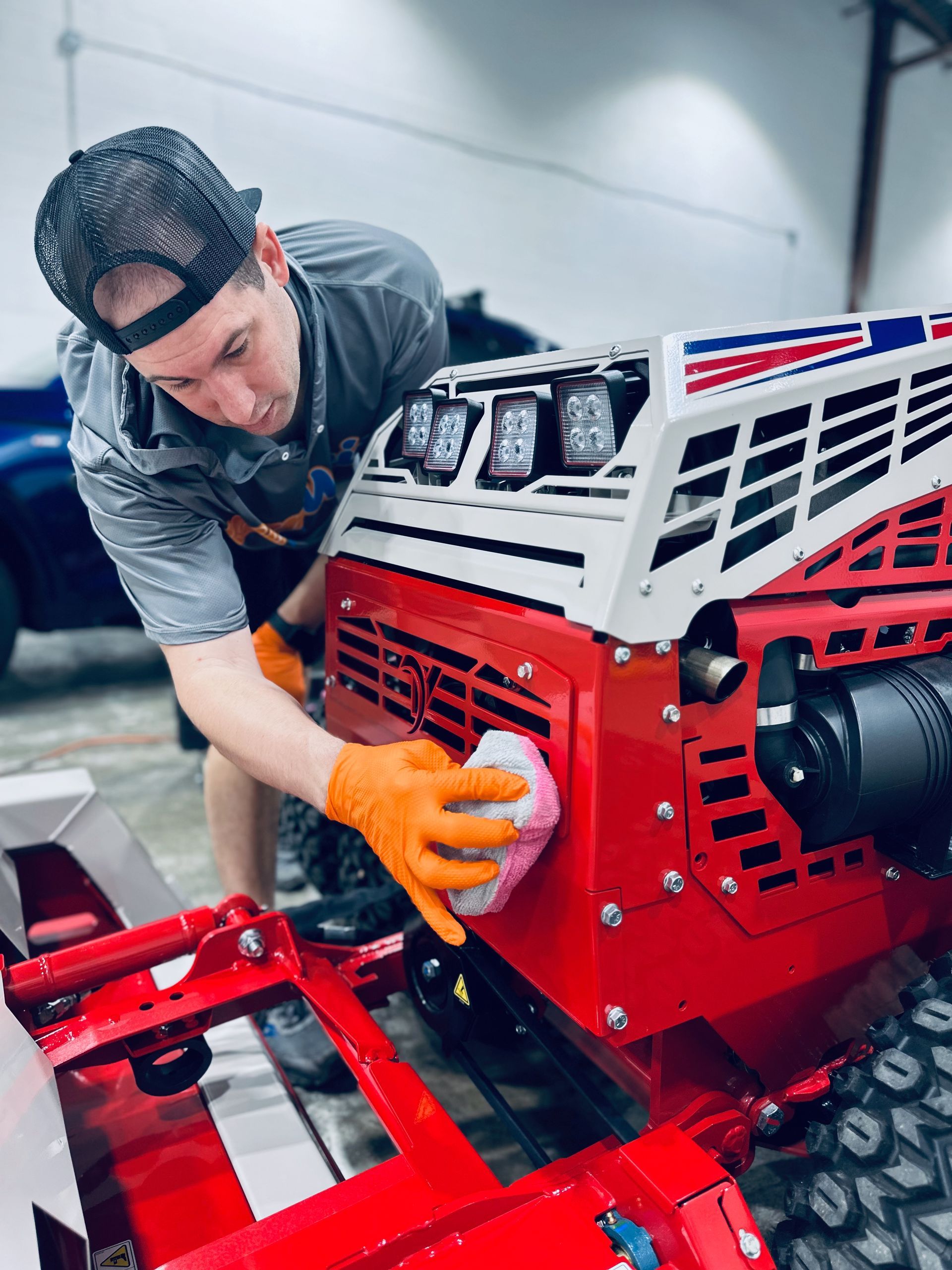
At Kleen Whips Auto Detailing, annual maintenance details are part of how we help coated cars stay in top shape. These visits typically include a thorough wash, decontamination to remove bonded particles, and a professional-grade maintenance treatment to refresh the coating surface.
If you have a coating package with warranty coverage, these visits may be required to keep that warranty active. Check your paperwork or ask your installer about maintenance requirements.
Professional maintenance is also a chance to catch issues early. A trained eye can spot areas where the coating may be wearing unevenly, where contaminants have bonded, or where something needs attention before it becomes a bigger problem.

Building a Routine You Can Actually Follow
The best ceramic coating long-term care routine is one you will actually stick to. A complicated process that you skip is worse than a simple process you follow consistently.
Here is a framework that works for most coated car owners:
Every One to Two Weeks
Wash the car using the two-bucket method with pH-neutral soap. Dry completely. Inspect for any contaminants that need spot treatment.
Monthly
Take a closer look at water behavior. Does water still bead tightly? Does the surface feel slick? Note any changes.
Every Three to Six Months
Consider applying a maintenance spray or topper if you notice hydrophobic performance declining. This is not required, but it can extend the time between professional treatments.
Annually
Schedule a professional maintenance visit. This matters most if your coating has warranty coverage that depends on it. Even without a warranty requirement, an annual professional detailing service keeps your coating performing at its best.
What Not to Do
Knowing what to avoid is just as important as knowing what to do.
Do Not Skip Washes for Months
The hydrophobic properties of your coating make dirt easier to remove. They do not make dirt disappear. Contaminants still accumulate. Letting them sit for extended periods works against the coating.
Do Not Use Aggressive Products
Stripping agents, heavy degreasers, and abrasive compounds have no place in routine ceramic coating maintenance. They can damage or remove the coating.
Do Not Assume the Coating is Permanent
Even high-quality coatings experience wear over time. They are not a one-time application that lasts forever without attention. Think of your coating as something that needs ongoing care, not a magic shield you can forget about.
Do Not Ignore Your Installer's Instructions
If your installer gave you specific aftercare guidance, follow it. They know what product was applied and how it should be maintained. The general advice in this article works alongside those instructions, not in place of them.
Keep Your Coating Working for Years
You made a real investment in protecting your car's paint. That protection pays off when you maintain it properly. A ceramic coating long-term care routine does not have to be complicated. It just has to be consistent.
Wash regularly with the right technique and products. Address contaminants promptly. Pay attention to how water behaves on the surface. Use a maintenance spray when hydrophobic performance dips. And bring your car in for professional care at least once a year.
At Kleen Whips Auto Detailing, we are here to help you get the most out of your coating. Whether you need a maintenance detail, a top-up treatment, or just want to ask questions about caring for your coated car, we have the answers.
Protect what you paid for. A little ongoing attention goes a long way.
Frequently Asked Questions
How often should I wash a ceramic-coated car?
For daily drivers parked outside, every one to two weeks works well. Garage-kept cars driven occasionally can go three to four weeks between washes. The key is not letting contaminants sit too long on the surface. Bird droppings, tree sap, and road grime should be removed promptly regardless of your regular wash schedule. Seasonal factors matter too. Pollen in spring, bugs in summer, and road salt in winter all increase contamination. Adjust your cadence based on what your car actually encounters rather than following a rigid calendar.
Can I use any car wash soap on a ceramic coating?
Stick with pH-neutral car wash soaps. These clean effectively without being aggressive enough to affect your coating. Avoid dish soap, heavy degreasers, and anything designed to strip wax or sealant. Those products are too harsh for regular use on a coated surface. When in doubt, read the product label or check with your installer. If a product does not specifically say it is safe for coated cars, choose something else. Plain pH-neutral soap and water will handle most routine washing without risk.
What is a coating maintenance spray and do I need one?
Coating maintenance sprays, sometimes called toppers or boosters, add a thin protective layer on top of your existing coating. They help restore slickness and hydrophobic performance that may have diminished over time. You do not strictly need them if you keep up with regular professional maintenance. But they can extend the time between professional visits and keep the surface feeling fresh. Apply them after washing when you notice water is not beading as tightly as it used to. They are a helpful supplement, not a replacement for proper care.
How do I know if my coating needs professional attention?
Watch how water behaves on the surface. Fresh coatings cause water to bead tightly and roll off quickly. Over time, beads may flatten or water may start to sheet instead of bead. If regular washing and maintenance sprays do not improve the situation, a professional maintenance treatment can help. Also pay attention to how the paint feels. If a clean, dry surface feels rough or grabby instead of slick, contaminants may have bonded to the coating. A professional decontamination and maintenance detail can restore the surface.
Will following this routine make my coating last longer?
Consistent care helps your coating perform better for longer. A coating that is washed regularly, treated gently, and maintained professionally stays effective longer than one that is neglected. You will notice continued water beading, easier cleaning, and better protection over time. That said, all coatings experience gradual wear regardless of how well you care for them. The goal is maximizing the useful life of your coating, not making it permanent. Follow a routine, pay attention to changes, and respond with maintenance when needed.