

Window Tint for UV Protection: How Much Does It Really Block?
Why UV Protection Matters in Your Vehicle
You wear sunscreen at the beach and protect your skin during outdoor activities. But what about the hours you spend in your vehicle? Harmful UV radiation passes through car windows, exposing you and your passengers to rays that cause skin damage.
Window tint UV protection addresses a real health concern beyond keeping your car cool or looking stylish. Quality window tint blocks the vast majority of UV radiation, protecting your skin, eyes, and vehicle interior from damage that accumulates over years of driving.
At Kleen Whips Auto Detailing in Bel Air, we install window tint that provides serious UV protection. Let's look at how much UV radiation reaches you through untinted windows and what window tinting blocks.
Understanding UV Radiation: UVA vs. UVB
UVA Radiation: Penetrates deeper into the skin and causes aging and wrinkles. Passes through glass easily, meaning standard car windows offer minimal protection.
UVB Radiation: Causes sunburn and contributes to skin cancer. Regular glass blocks most UVB, but side and rear windows let more through than windshields.
Both types contribute to skin damage and health concerns. UVA penetrates glass readily, while UVB is partially blocked. Window tint addresses both types effectively.
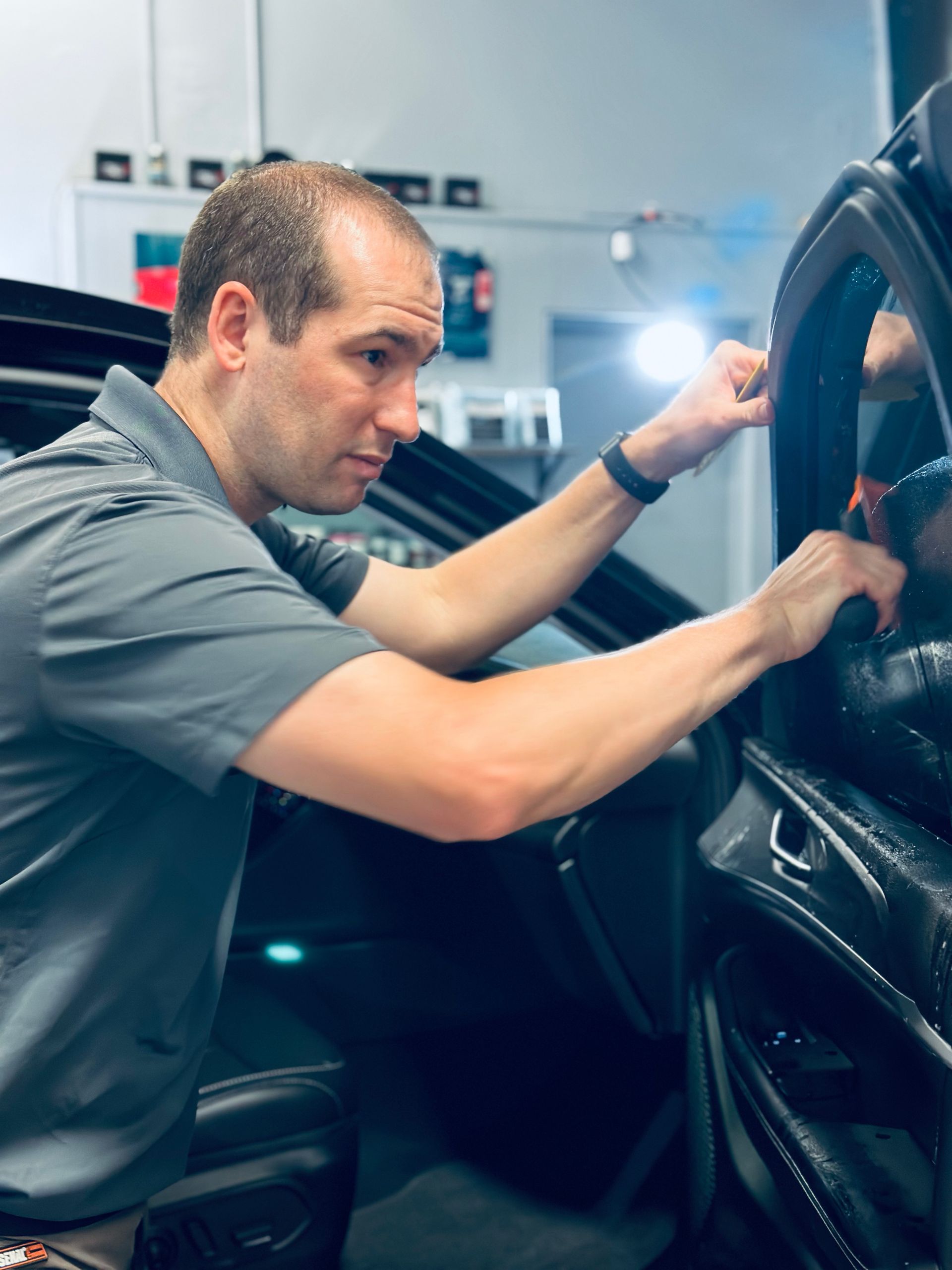
How Much UV Passes Through Untinted Windows
Untinted Side Windows: Standard automotive glass blocks only 20-30% of UV radiation. That means 70-80% of harmful UV rays reach your skin during every drive.
Factory Windshields: Windshields block 95%+ of UV radiation due to laminated glass construction. Side and rear windows use tempered glass with much lower UV protection.
The Exposure Reality: Driving 30 minutes daily with untinted side windows means substantial UV exposure to your left arm, face, and neck. This explains the asymmetric sun damage many drivers develop.
UV Blocking Percentages by Tint Type
Standard Dyed Film: Blocks 40-60% of UV radiation. Better than nothing but not comprehensive protection. Dyed films fade over time.
Metallic Film: Blocks 60-80% of UV radiation. Better than dyed film, but can interfere with electronic signals.
Carbon Film: Blocks 40-50% of UV rays. Decent protection without signal interference.
Ceramic Film: Blocks 99% of UV radiation. Quality ceramic tint like KAVACA window tint provides near-complete UV blocking with clarity and signal transparency.
The difference between 60% and 99% UV blocking is substantial over the years of vehicle ownership.
Health Benefits of UV-Blocking Window Tint
Skin Protection: Reducing UV exposure lowers the risk of skin damage. For people with fair skin or a family history of skin concerns, UV-blocking tint provides daily protection during every drive.
Eye Protection: Extended UV exposure contributes to cataracts and other eye conditions. Window tint reduces this exposure, particularly important for professional drivers.
Interior Preservation: UV radiation destroys vehicle interiors. Leather cracks, plastics fade, and dashboards deteriorate. Blocking UV rays preserves interior condition and resale value.
Reduced Sun Damage: Many drivers notice asymmetric sun damage on their left arm and face. Window tint prevents this ongoing damage that develops over the years of commuting.
Tint Darkness vs. UV Protection: They're Not the Same
Tint darkness and UV protection are separate properties. You can have a very dark tint with poor UV blocking, or a light tint with excellent UV protection. Darkness (VLT percentage) controls visible light. UV blocking is a separate characteristic of the tint material.
Ceramic tint delivers high UV protection regardless of the darkness level. You could choose a light 50% tint for minimal darkness while still getting 99% UV protection. Don't assume a darker tint means better UV protection. Ask specifically about UV blocking percentages when comparing options.
Ceramic Tint Advantages for UV Blocking
Superior UV Blocking: Ceramic tint blocks 99% of UV radiation across both UVA and UVB wavelengths, significantly better than older technologies.
Infrared Heat Rejection: Ceramic tint also blocks infrared heat. KAVACA Ceramic IR blocks 96% of infrared radiation, keeping vehicles cooler.
Non-Fading Technology: Ceramic tint maintains UV-blocking properties long-term. Unlike dyed films that fade, ceramic construction remains stable for years.
No Signal Interference: Ceramic tint doesn't contain metal, so it won't interfere with phone signals, GPS, or radio reception.
Who Benefits Most from UV-Blocking Tint
Daily Commuters: Driving 30+ minutes daily means significant UV exposure. Window tint provides protection during every commute without additional effort.
Professional Drivers: Anyone who drives for work faces higher cumulative UV exposure. Tint becomes a health investment that pays off over a career.
Fair-Skinned Individuals: People with fair skin are more susceptible to UV damage. UV-blocking tint adds a protective layer during driving.
Parents with Young Children: Window tint provides passive protection for rear passengers without needing to apply sunscreen for every car ride.
People with Skin Concerns: If you have heightened awareness about sun exposure, a UV-blocking tint reduces risk during a significant portion of your day.
Understanding Tint Options for Maximum Protection
UV Blocking Percentage: Look for a tint that blocks 99% of UV radiation. This should be clearly stated in product specifications.
Film Quality: Quality ceramic tint maintains UV-blocking properties long-term. Cheaper options may fade or degrade.
Coverage Area: Consider tinting all side and rear windows. Windshields typically have adequate UV protection from factory lamination.
Legal Compliance: Maryland requires a 35% VLT minimum on front side windows. You can achieve excellent UV protection while remaining legal with ceramic tint at this darkness.
Window Tint as a Health Investment
Quality UV-blocking tint serves as a legitimate health protection measure you benefit from every time you drive. You can't avoid driving, but you can reduce the UV exposure that comes with it. Quality window tint provides passive protection that works continuously without requiring any effort.
This isn't about replacing sunscreen or other sun protection. It's about adding another layer of protection during the hours you spend in your vehicle each week.
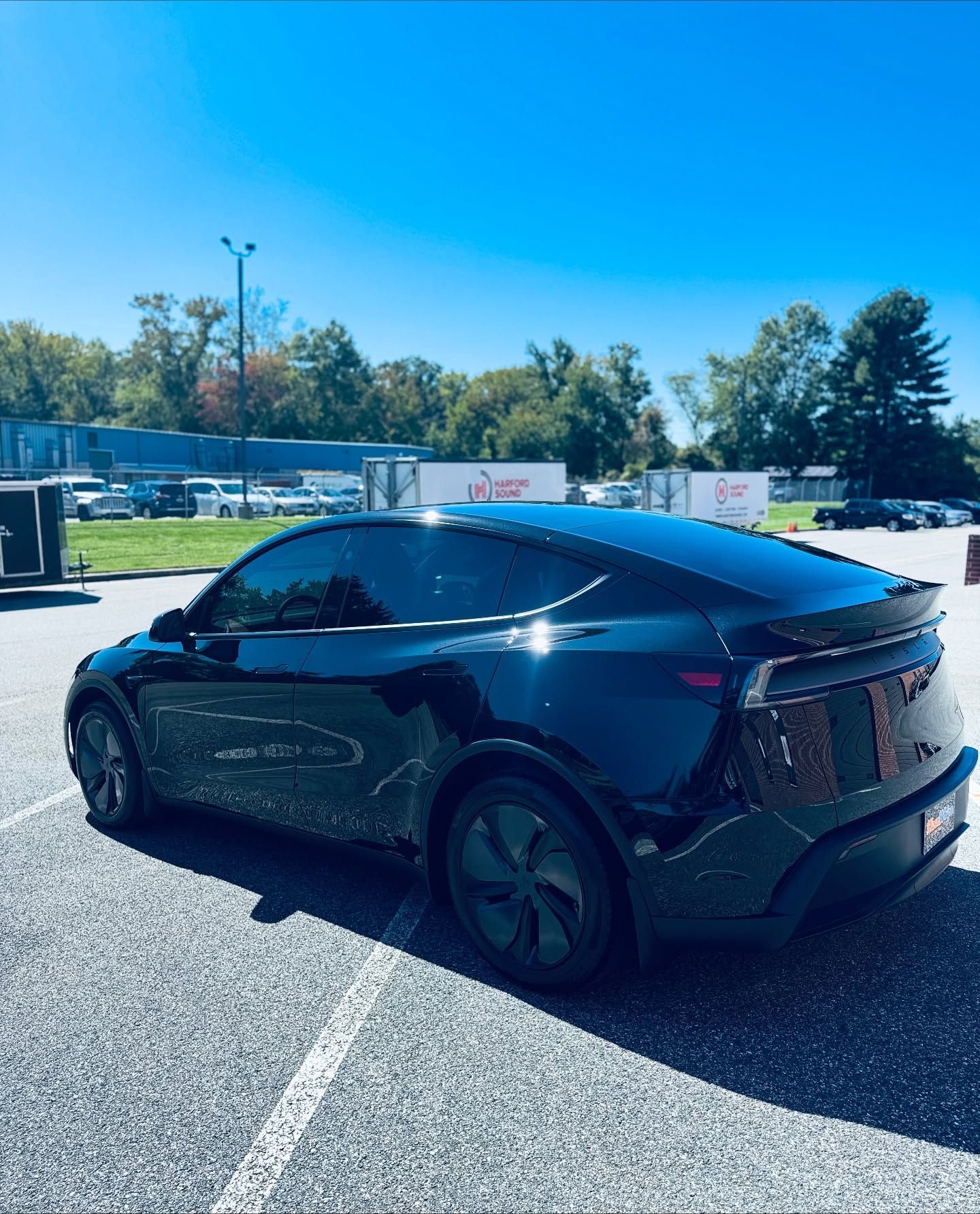
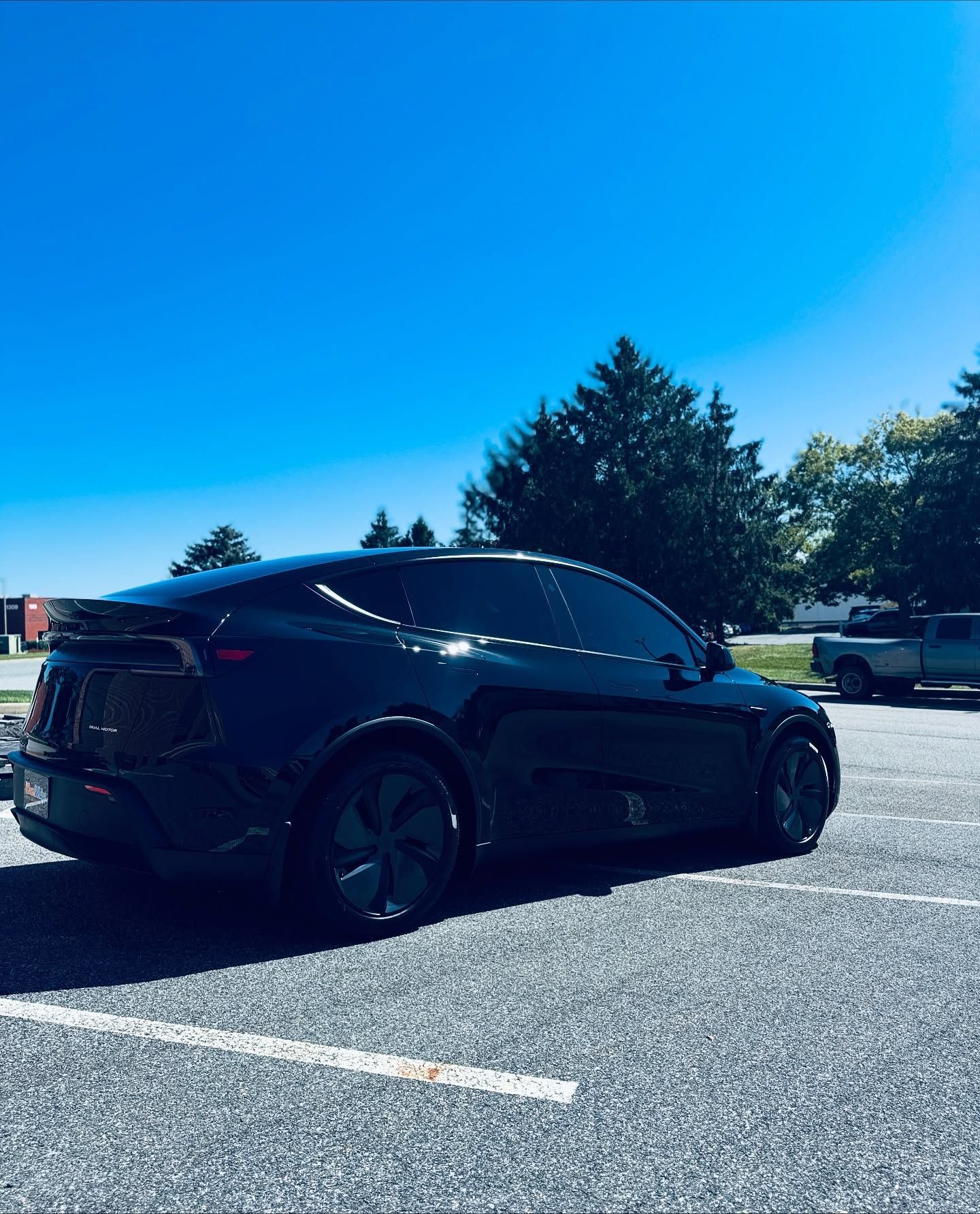
Protect Yourself from Harmful UV Rays
Now you understand how much UV radiation passes through untinted windows and what quality tint blocks. UV-blocking window tint provides real health benefits that compound over years of vehicle ownership.
Protect yourself and your passengers from harmful UV rays. Contact Kleen Whips Auto Detailing for high-quality UV-blocking window tint service. We install KAVACA ceramic tint that blocks 99% of UV radiation while keeping you legal and comfortable.
Frequently Asked Questions
Does window tint need to be dark to block UV rays?
No, tint darkness and UV blocking are separate properties. Quality ceramic window tint blocks 99% of UV radiation regardless of how dark it is. You can choose a light 50% tint that meets legal requirements and still get excellent UV protection. The tint material determines UV blocking, not the darkness level. This means you don't need very dark windows to get health protection from harmful UV rays.
How long does UV-blocking window tint last?
Quality ceramic window tint maintains its UV-blocking properties for the life of the film, typically 10+ years with proper care. Unlike dyed films that fade and lose effectiveness over time, ceramic tint construction remains stable. The 99% UV blocking percentage doesn't degrade significantly even after years of sun exposure. This makes ceramic tint a long-term health investment rather than a temporary solution.
Can I still get sun damage with tinted windows?
Window tint significantly reduces UV exposure but doesn't eliminate it completely. Quality ceramic tint blocks 99% of UV radiation, which dramatically lowers your risk compared to untinted windows. However, no window tint provides 100% protection. You should still use sunscreen for extended outdoor exposure and follow other sun protection practices. Think of window tint as an additional protective layer that reduces daily UV exposure during driving.