

Self-Healing Paint Protection Film: How Does It Work?
The Technology That Sounds Too Good to Be True
You've probably heard about self-healing paint protection film and wondered if it's real or just marketing hype. The good news? It's genuinely real, and the technology is pretty impressive. The even better news? Understanding how it works helps you know exactly what you're getting and whether it's worth the premium cost.
Self-healing PPF uses advanced polymer technology that allows minor surface marks and swirl marks to disappear when exposed to heat. This isn't magic, and it's not unlimited. But for the right vehicle owner, it's a game-changing feature that keeps your film looking pristine for years.
At Kleen Whips Auto Detailing in Bel Air, we install self-healing paint protection film that demonstrates this technology daily. Let's break down how it actually works, what it can and can't do, and when it makes sense for your vehicle.
What Self-Healing Actually Means
Self-healing refers to the film's ability to return to its original smooth state after sustaining light surface damage. When you get minor marks, swirl marks, or scuffs on the film, the molecular structure rearranges itself when heated, causing the damage to disappear.
This happens because the top layer contains special elastomeric polymers with memory properties. When damaged, they're temporarily displaced. Heat gives them the energy to flow back into position, eliminating visible damage.
The keyword here is "light" damage. Self-healing PPF handles everyday wear but doesn't repair everything.
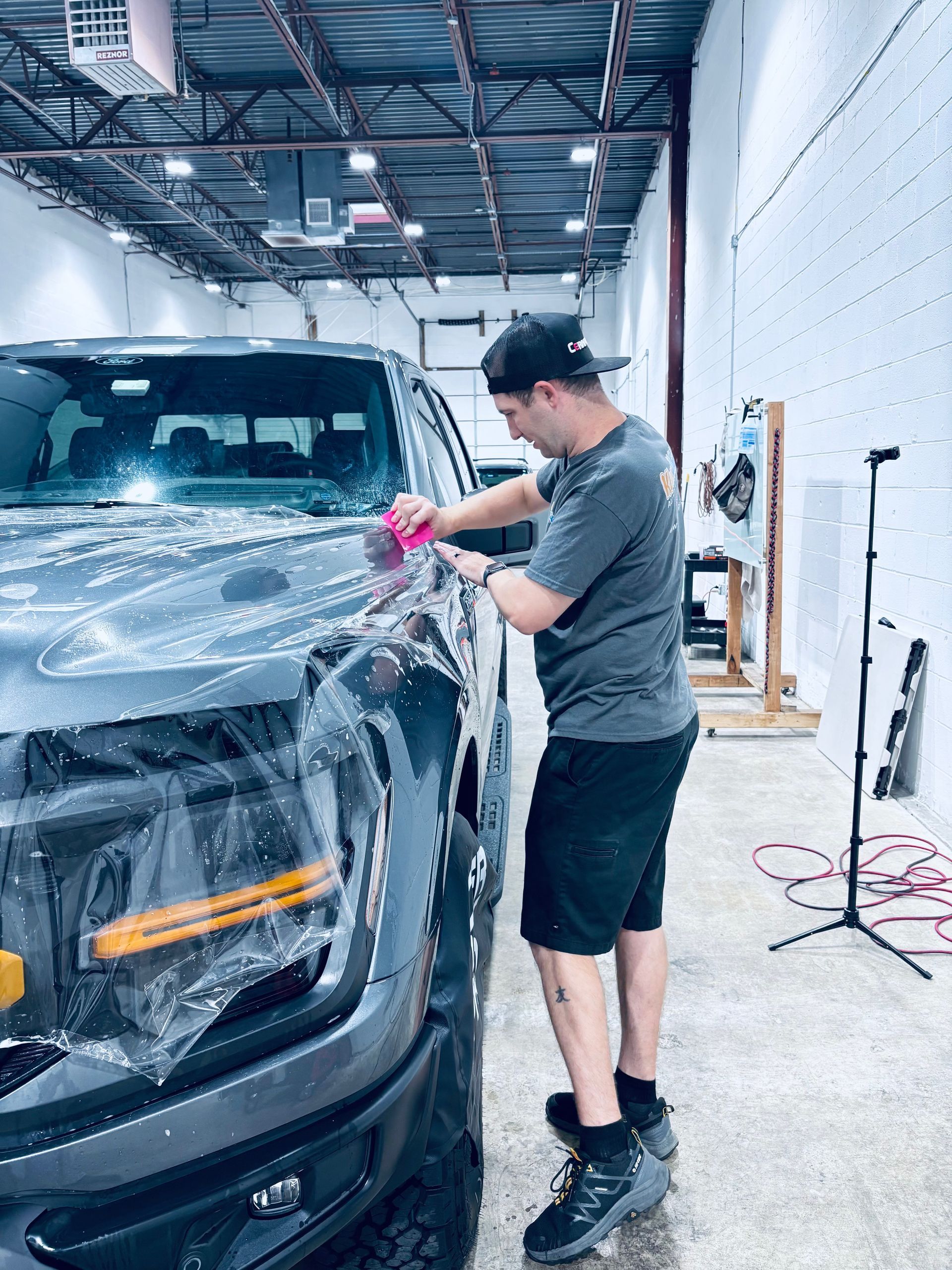
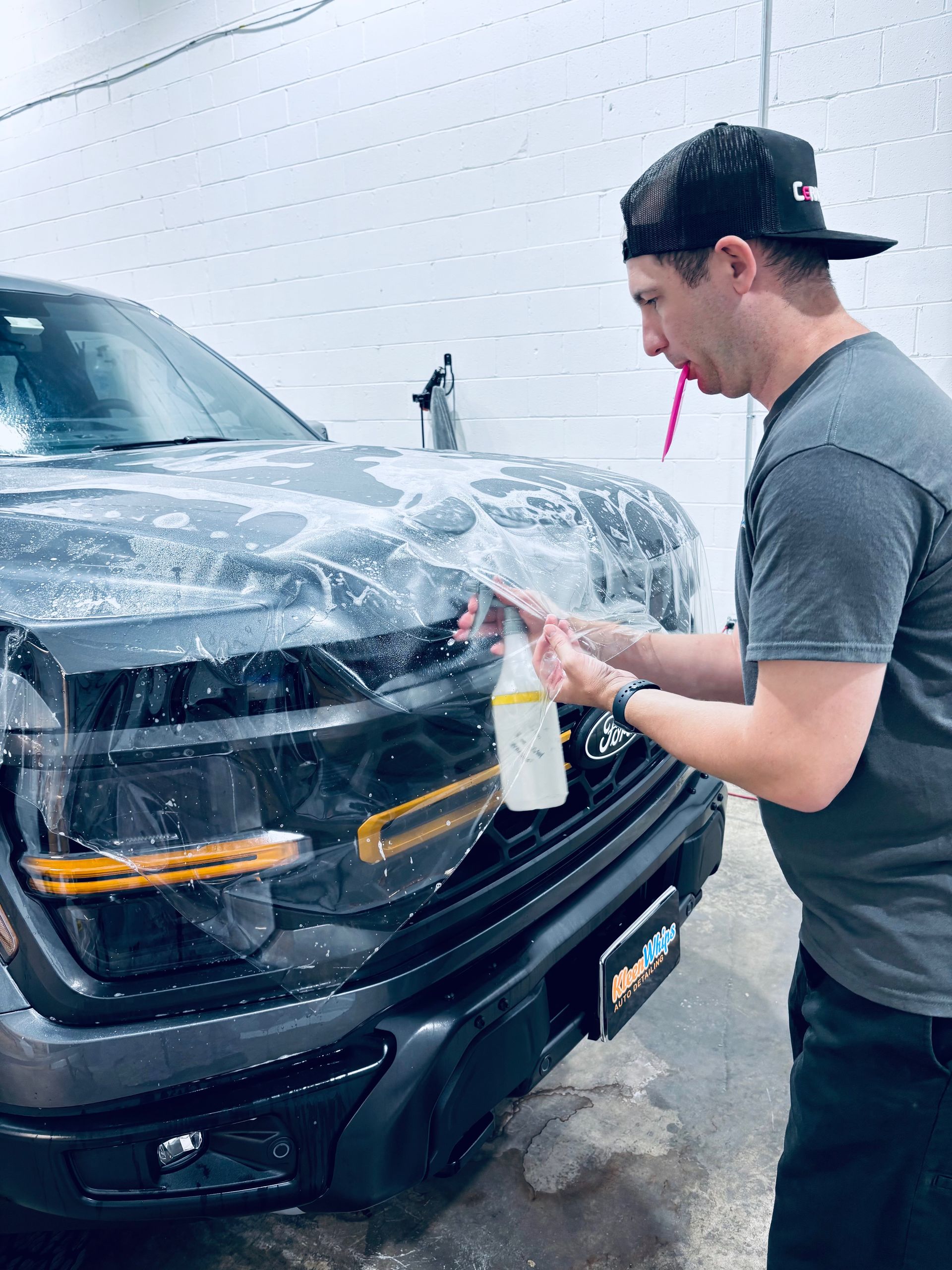
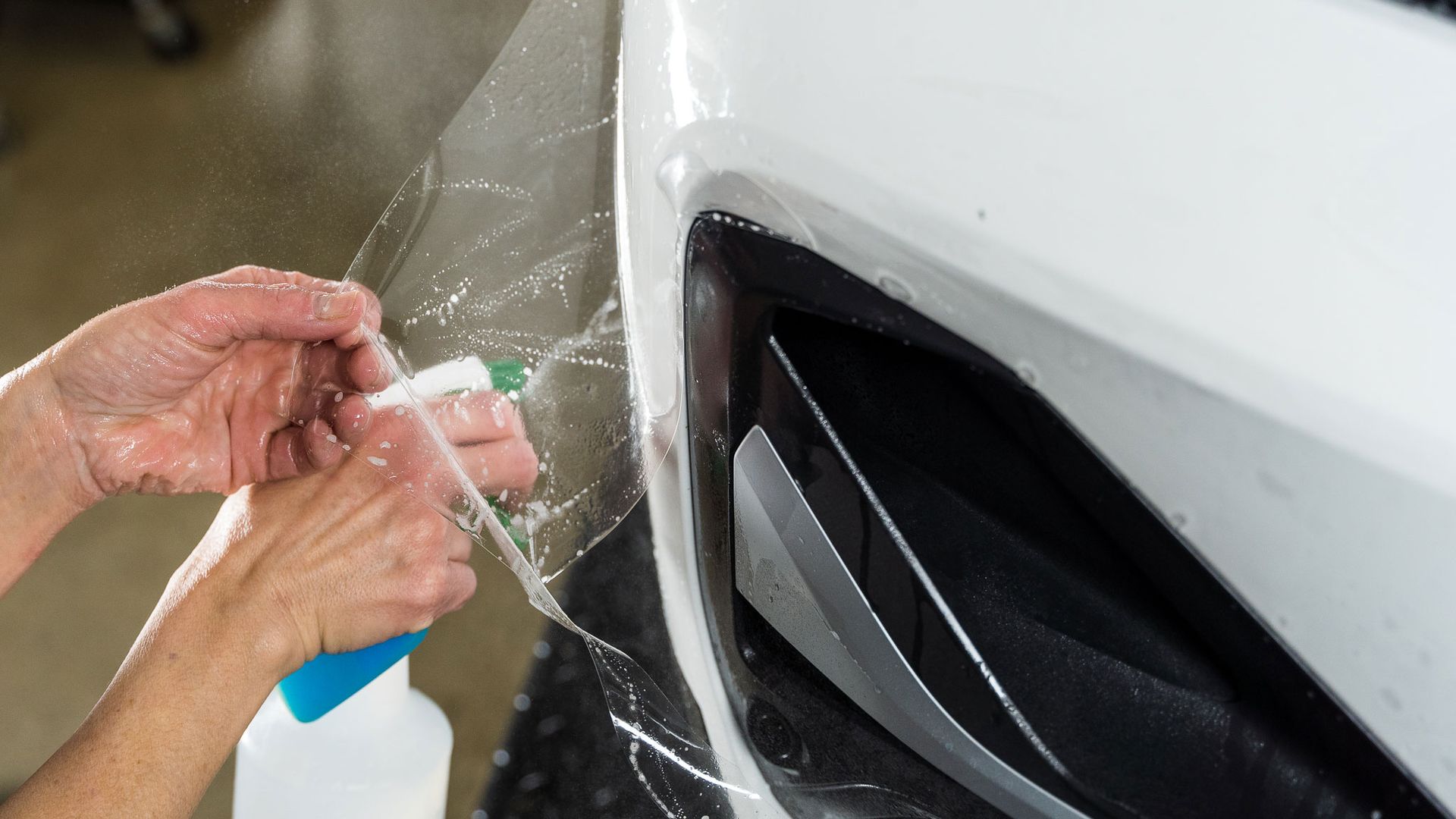
PPF Installation
How the Technology Works: Heat-Activated Polymers
The top coat of self-healing film contains polymers with elastic properties. Think of these polymers like tiny springs connected together. When you mark the surface, you're pushing these springs out of position, creating a visible mark.
When heat is applied, the polymers become more flexible and mobile. This increased mobility allows them to flow back into their original arrangement. As they cool, they lock back into a smooth state. The mark literally disappears because the material reforms itself.
Most self-healing PPF activates between 120-140°F. You can achieve this through sunlight, hot water, or a heat gun on a low setting. The healing process takes anywhere from seconds to a few minutes, depending on damage severity and heat intensity.
What Types of Damage Does Self-Heal
Light Surface Marks: Surface damage from fingernails, keys, or car wash brushes heals completely.
Swirl Marks: Circular marks from improper washing or drying disappear with heat exposure.
Light Scuffs: Minor contact with shopping carts, door edges, or other vehicles often leaves marks that heal completely.
Bug Splatter Etching: When bug acids etch into the film surface, self-healing properties help recovery after cleaning.
Minor Abrasions: Light rubbing or scraping that would permanently damage paint or regular film often heals completely.
All of these damage types affect only the top layer of the film without cutting completely through the protective coating.
What Doesn't Self-Heal
Deep Cuts: If something cuts through the clear coat into the base layer, it won't heal. Self-healing properties only apply to the top coat.
Punctures: Sharp objects that puncture completely through the film cannot be repaired through self-healing.
Edge Damage: Damage to edges where the film is cut won't heal. Edge lifting or peeling requires professional attention.
Chemical Damage: Harsh chemicals that break down the polymer structure can't be reversed through heating.
Impact Damage: Rock chips that dent or deform the film may not heal completely, especially if they've compressed the material significantly.
Self-healing handles wear and tear from regular use, not damage from specific impact events that would have caused paint chips.
How to Activate Self-Healing
Sunlight: Park in direct sunlight for 15-30 minutes. The heat naturally triggers healing for most minor damage.
Hot Water: Pour hot water (not boiling) over the damaged area. Watch marks disappear in real-time.
Heat Gun: Use a heat gun on low setting, keeping it moving and at least 6-8 inches from the film.
Car Washing: Hot water and friction during washing can activate healing, meaning your film improves during routine maintenance.
Most vehicle owners find that simply driving and parking normally provides enough heat exposure for regular self-healing.
Real-World Benefits and Limitations
Benefits: Your paint protection film maintains a like-new appearance much longer than standard PPF. Minor damage from daily driving disappears rather than accumulating. Maintenance becomes easier because you're not constantly concerned about minor marks from washing or normal contact.
Limitations: Self-healing PPF costs more than standard film. The premium varies significantly depending on coverage area and film quality. The technology doesn't eliminate the need for careful maintenance or make the film indestructible. Very severe damage still requires professional repair or replacement.
When Self-Healing PPF Is Worth the Premium Cost
Daily Drivers: Regular driving and public parking mean constant exposure to potential damage. Self-healing maintains appearance over time.
Show Cars and Collectibles: Maintaining perfect appearance matters. Self-healing PPF helps preserve showroom condition long-term.
Lease Vehicles: Avoiding wear charges at lease end justifies the premium cost. Self-healing keeps the vehicle looking newer.
Long-Term Ownership: Planning to keep your vehicle 7-10+ years? Self-healing PPF maintains appearance throughout ownership.
High-Contact Areas: For front bumpers and door edges that sustain frequent minor contact, self-healing provides ongoing protection that standard film can't match.
If you rarely drive, keep your vehicle garaged, or plan short-term ownership, standard PPF may be sufficient.
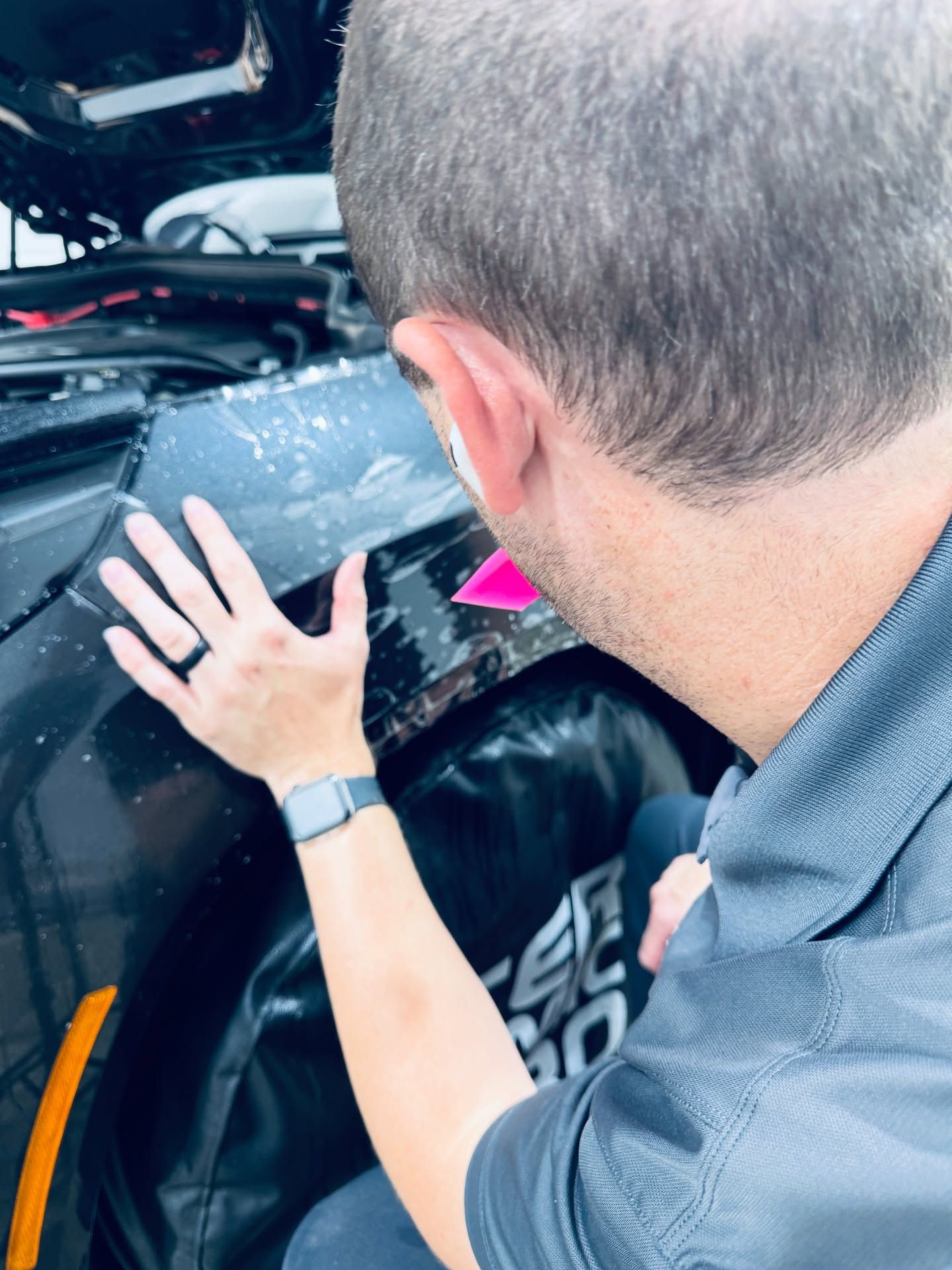
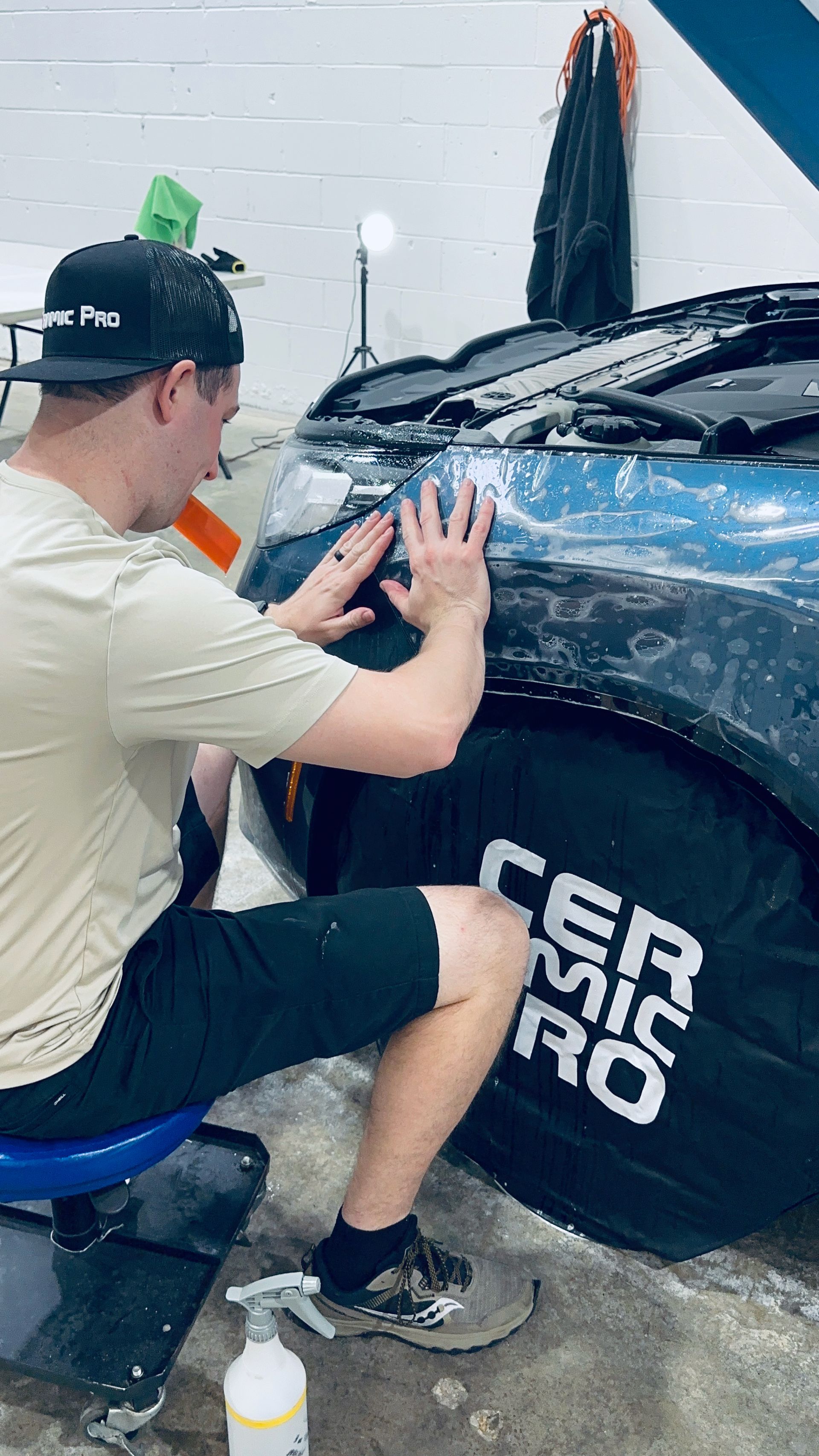
See Self-Healing Technology in Action
Now you understand how self-healing PPF works, what it repairs, and what its limitations are. This technology genuinely delivers on its promise for light surface damage while maintaining realistic boundaries for severe impacts.
The right self-healing film provides years of benefit through reduced visible wear and easier maintenance. Whether it's worth the premium depends on your vehicle use, ownership plans, and appearance priorities.
Interested in self-healing paint protection film? Contact Kleen Whips Auto Detailing to see the technology in action and learn if it's right for your vehicle. We'll demonstrate healing capabilities and help you choose the best protection option for your needs.
Frequently Asked Questions
How long does self-healing PPF maintain its healing properties?
Quality self-healing paint protection film maintains healing capabilities for the life of the film, typically 7-10 years with proper care. The elastomeric polymers that enable self-healing don't degrade significantly over time when properly maintained. However, repeated healing in the same area or extreme UV exposure can gradually reduce healing effectiveness. This is why choosing high-quality film matters for long-term performance.
Can you demonstrate self-healing before installation?
Yes, reputable installers can demonstrate self-healing properties before installation. At Kleen Whips Auto Detailing, we can show you sample pieces of film, create a light mark, and activate healing with hot water or a heat gun so you can watch the damage disappear in real-time. This demonstration helps you understand exactly what the technology does and sets realistic expectations for performance.
Does self-healing PPF work in cold weather?
Self-healing PPF can still heal in cold weather, but it requires more heat and time. The ambient temperature doesn't prevent healing; it just means the film needs additional heat activation beyond what cold air provides. Direct sunlight still works in winter, though it may take longer than in summer. Hot water or heat gun activation works equally well regardless of season. The film doesn't lose its healing properties in cold weather.