

Does Ceramic Coating Protect Against Rock Chips and Road Debris?
The Truth About Ceramic Coating and Rock Chip Protection
Let's get straight to the point. If you're looking at ceramic coating rock chip protection and hoping it will keep rock chips and road debris from damaging your paint, we need to have an honest conversation. Ceramic coating is an incredible product that does amazing things for your vehicle, but stopping rock chips isn't one of them.
That might sound disappointing at first. But here's the thing - understanding what ceramic coating actually does (and what it doesn't do) helps you make better decisions about protecting your vehicle. And when you combine the right products for the right jobs, you get protection that actually works.
At Kleen Whips Auto Detailing in Bel Air, we believe in setting realistic expectations. So let's break down what ceramic coating really protects against, what it doesn't, and how to get the complete protection you're looking for.
What Ceramic Coating Actually Is
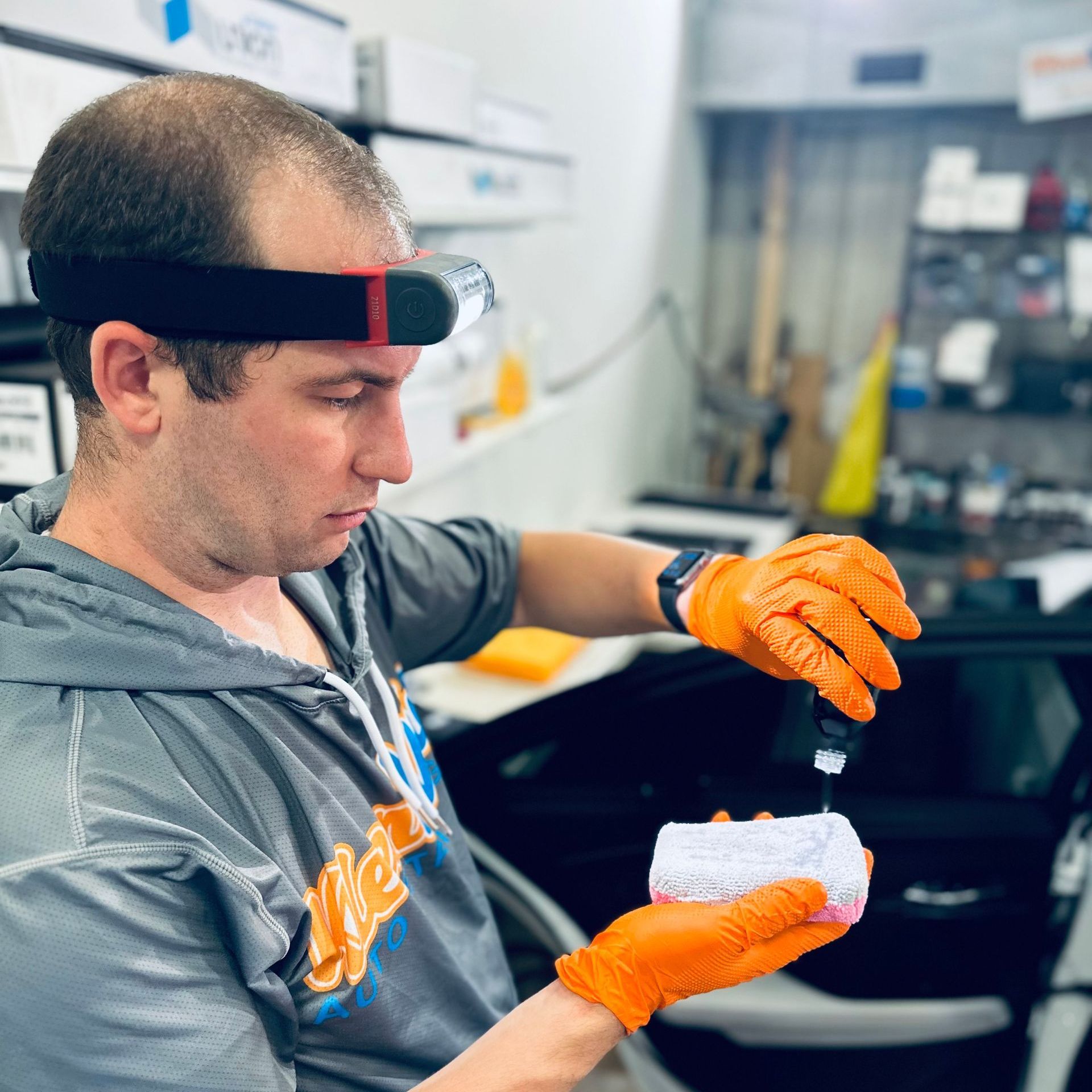
Before we talk about protection, you need to understand what ceramic coating really is. It's not a thick shield or a rubber layer. Ceramic coating is a liquid polymer that chemically bonds with your vehicle's factory paint, creating a semi-permanent layer of protection.
Think of it like this. Your paint is porous at a microscopic level. Ceramic coating fills in those pores and creates a hard, glass-like surface on top of your paint. This layer is extremely thin - we're talking micrometers here - but it's incredibly durable in specific ways.
The keyword there is "specific." Ceramic coating creates a chemical bond, not a physical barrier. That distinction matters when we start talking about what kinds of damage it can and can't prevent.
What Ceramic Coating Actually Protects Against
Now that you understand what ceramic coating is, let's talk about what it does exceptionally well:
UV Ray Protection Harford County summers can be brutal on your paint. UV rays cause oxidation and fading over time, making your clear coat break down. Ceramic coating blocks these harmful rays and keeps your paint looking fresh for years. This is one of its biggest benefits.
Chemical Resistance Bird droppings, bug splatter, tree sap, and road salt are all acidic substances that etch into your paint. Ceramic coating creates a barrier that resists these chemicals, giving you time to wash them off before they cause permanent damage.
Minor marks such as light marks from washing, dust, and minor abrasion are reduced with ceramic coating. The hard surface resists light marring better than clear coat alone. But notice we said "light" marks- not deep ones and definitely not rock chips.
Water Spot Prevention The hydrophobic properties of ceramic coating make water bead up and roll off your paint. This prevents water spots and mineral deposits from bonding to your surface. Your car stays cleaner longer and washes more easily.
Enhanced Gloss and Shine Ceramic coating gives your vehicle that deep, reflective shine that makes it look like it just rolled off the showroom floor. The glass-like finish enhances your paint's depth and clarity.
These are real, valuable benefits. Ceramic coating absolutely transforms how your vehicle looks and how easy it is to maintain. But it's designed to protect against environmental damage and chemical exposure, not physical impacts.
What Ceramic Coating Does NOT Protect Against
Here's where we need to be completely honest. Ceramic coating will not protect your vehicle from:
Rock Chips When a rock flies up from the highway and hits your paint at 65 mph, the energy from that impact goes right through the thin ceramic layer. The coating is simply too thin to absorb that kind of force. You'll get a chip in your paint just like you would without coating.
Deep marks if something scrapes hard enough across your paint to cut through the clear coat, ceramic coating won't stop it. We're talking about things like shopping carts, belt buckles, or keys. The coating helps with light surface marks, but not gouges.
Impact Damage Door dings, hail damage, or anything that dents the metal underneath the paint - ceramic coating offers zero protection against these. It's a surface treatment, not armor plating.
This doesn't mean ceramic coating is bad or not worth it. It just means it's the right tool for certain jobs, and you need a different tool for impact protection.
Why Paint Protection Film Is the Solution for Impact Protection
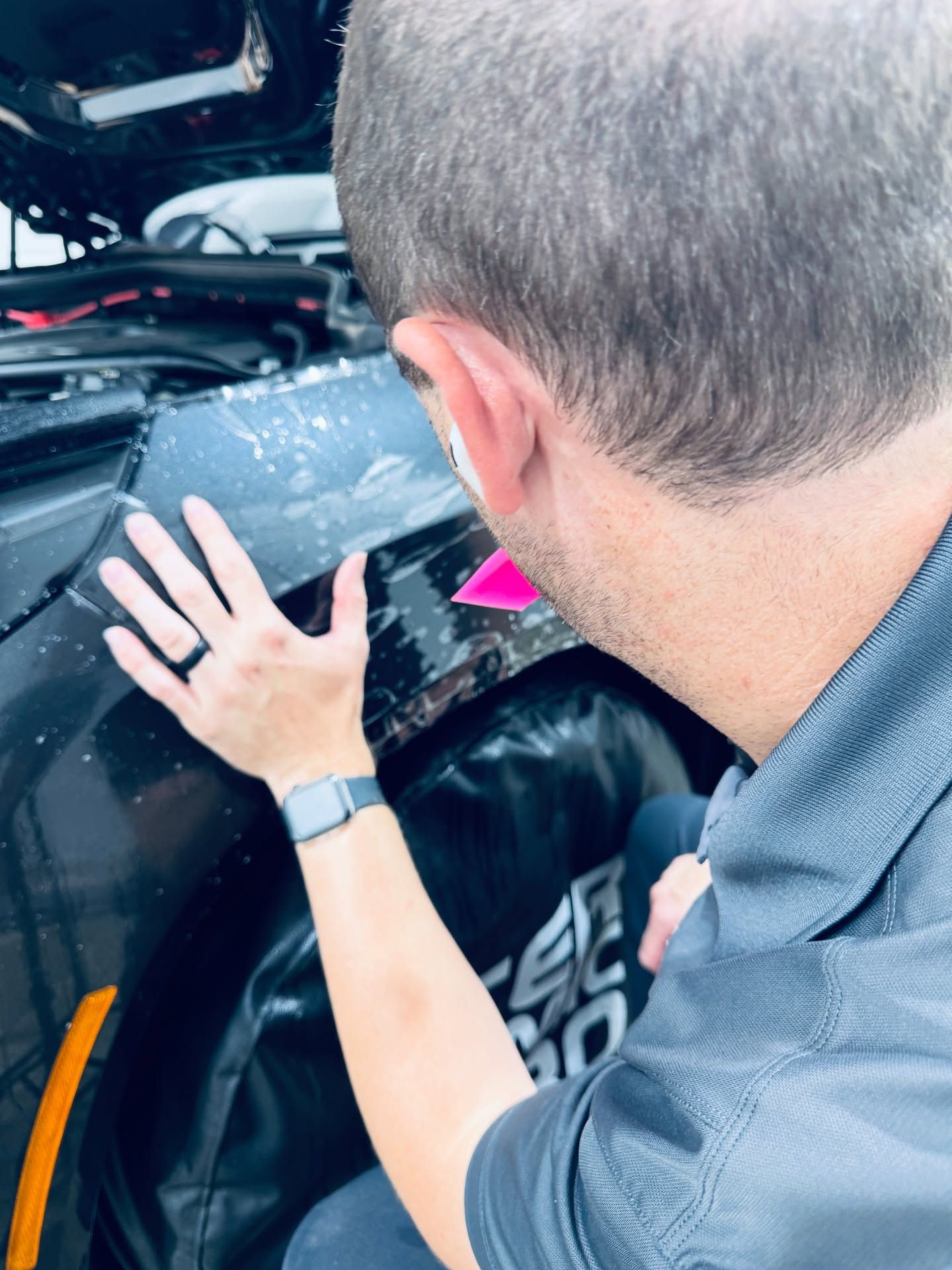
If you want real protection against rock chips and road debris, you need paint protection film. PPF is a thick, clear thermoplastic urethane film that we install on your vehicle's most vulnerable areas.
Unlike ceramic coating, PPF provides a true physical barrier. It's thick enough to absorb impacts from rocks, debris, and road hazards. When something hits your paint, the PPF takes the damage instead. Even better, quality PPF has self-healing properties that make minor marks disappear with heat.
Paint protection film is specifically designed for the areas that get hit the most: front bumper, hood, fenders, mirrors, and door edges. These are the spots where rock chips happen, and PPF keeps them protected.
Here's what PPF actually stops:
- Rock chips from highway driving
- Marks from road debris
- Bug splatter etching (combined with easy cleaning)
- Minor abrasions from daily driving
- Paint damage from gravel roads
Think of PPF as the impact-absorbing layer your paint needs. It's thicker, it's flexible, and it's built specifically to handle physical contact.
The Ideal Protection Combination Approach
Want to know the real secret to complete vehicle protection? Combine both products. PPF handles impact protection, and ceramic coating handles environmental protection. Together, they give you coverage against basically everything.
Here's how smart vehicle owners protect their cars:
- Install PPF on High-Impact Areas: Start with the front bumper, hood, fenders, and mirrors. These areas get hit by rocks and debris constantly. PPF creates a sacrificial barrier that takes the beating instead of your paint.
- Apply Ceramic Coating Over Everything: Once the PPF is installed, apply ceramic coating over the entire vehicle - including on top of the PPF. This gives you chemical resistance, UV protection, and that incredible shine everywhere.
- Get Long-Term Protection for Both: The ceramic coating actually helps the PPF stay cleaner and resist staining. The PPF protects the paint underneath from chips. They work together better than either product works alone.
At Kleen Whips Auto Detailing, we install Ceramic Pro coatings that come with warranties ranging from 2 years to lifetime depending on the package you choose. Our paint correction service can fix any existing damage before we apply protection, so you're starting with a perfect finish.
Making the Right Choice for Your Vehicle
So what should you actually get? That depends on how you use your vehicle and what matters most to you.
Get Ceramic Coating if: You want easier maintenance, better shine, and protection from environmental damage. Your car doesn't see a lot of highway miles or rough roads. You're more worried about keeping it looking good than preventing rock chips.
Get PPF if: You drive highways frequently, you want rock chip protection, or your vehicle is high-value, and you want maximum paint preservation. You're okay with protecting just the most vulnerable areas to stay within budget.
Get Both If: You want complete protection and you're serious about preserving your vehicle's condition and value. This is the approach we recommend for anyone who plans to keep their car long-term or wants it to look perfect.
Want Complete Protection for Your Vehicle?
Now you know the truth about ceramic coating and rock chips. Ceramic coating is an outstanding product for what it does, but it's not designed to stop impacts. When you combine it with PPF, though, you get protection that actually covers all the bases.
Ready to protect your vehicle the right way? Contact Kleen Whips Auto Detailing, and we'll help you choose the right combination of ceramic coating and PPF for your vehicle and budget. We'll assess your needs and create a protection plan that actually works.
Frequently Asked Questions About Ceramic Coating and Rock Chip Protection
Will ceramic coating prevent all marks on my vehicle?
Ceramic coating helps resist light surface marks from washing, dust, and minor abrasion, but it will not prevent deep marks or gouges. The coating creates a hard surface that's more mark-resistant than clear coat alone, but it's still just micrometers thick. If something presses hard enough to cut through the clear coat, the ceramic coating won't stop it. For serious mark protection, you need paint protection film on vulnerable areas.
How thick is ceramic coating compared to paint protection film?
Ceramic coating is measured in micrometers and creates an extremely thin chemical bond with your paint. Paint protection film is measured in mils (thousandths of an inch) and is significantly thicker - thick enough to absorb impacts. PPF provides a true physical barrier, while ceramic coating provides a chemical barrier. This thickness difference is why PPF protects against rock chips and ceramic coating does not.
Can I apply ceramic coating over paint protection film?
Yes, and this is actually the ideal protection setup. Applying ceramic coating over PPF gives you the benefits of both products. The PPF handles impact protection from rock chips and road debris, while the ceramic coating on top provides chemical resistance, UV protection, and hydrophobic properties. The coating also helps keep the PPF cleaner and prevents staining, so they work better together than either product alone.
Does ceramic coating need to be reapplied after rock chips?
If you get a rock chip through your ceramic coating (which will happen since the coating doesn't prevent chips), the ceramic coating in that specific spot is compromised. However, the coating on the rest of your vehicle remains intact. Small chips don't require complete reapplication. If you get the chip repaired through touch-up paint or proper correction, that area can be recoated. Most ceramic coating packages include maintenance requirements to keep warranties valid.
Is paint protection film worth it if I already have ceramic coating?
Absolutely. If you drive on highways regularly or want real rock chip protection, adding PPF to high-impact areas makes complete sense even with existing ceramic coating. Many vehicle owners start with ceramic coating and then add PPF to the front bumper, hood, and fenders later, when they realize the coating doesn't prevent chips. The two products serve different purposes, and having both gives you comprehensive protection against different types of damage.