
Window Tint Regulations: Understanding Legal Limits Before You Buy
Understanding the legal limits on window tint before making a purchase decision can help vehicle owners avoid costly fines, failed inspections, and the frustration of removing non-compliant tint. Many car owners are drawn to automotive window tinting for its heat reduction, UV protection, and privacy benefits. Yet, few understand the regulatory frameworks that govern what is allowed on public roads.
This guide provides a framework for understanding how auto tint regulations work—covering VLT percentages, window-specific rules, medical exemptions, and enforcement considerations. At
Kleen Whips Auto Detailing, we keep our automotive window tinting customers up to date on the latest requirements of vehicle tinting laws and regulations to ensure every installation meets legal standards.
What Is VLT and Why Does It Matter?
VLT stands for Visible Light Transmission, and it represents the percentage of visible light that passes through your car window tint. This measurement serves as the foundation for nearly all automotive window tinting regulations.
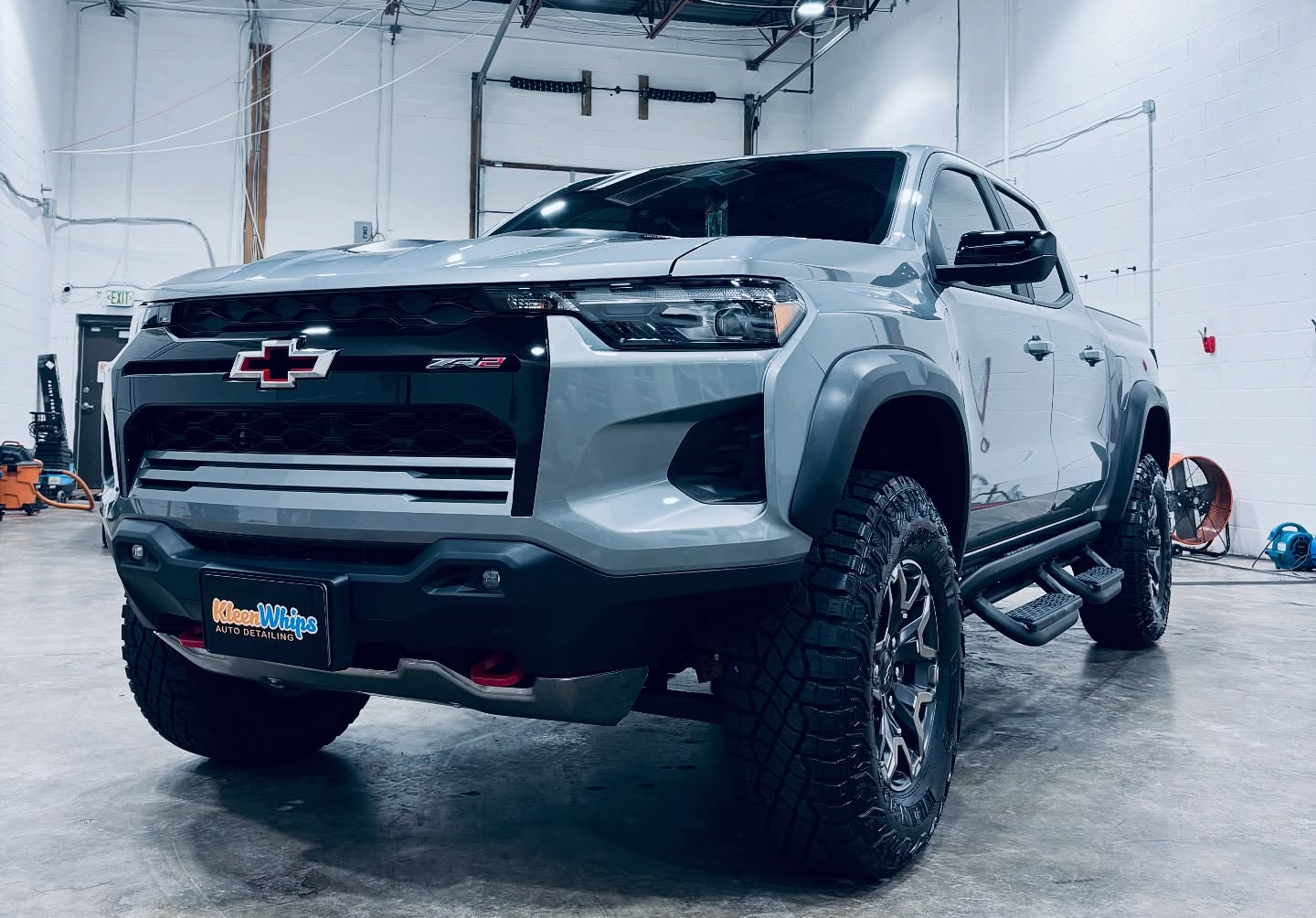
A higher VLT percentage means more light passes through, resulting in a lighter tint on your vehicle. A lower VLT percentage means less light transmission, creating a darker appearance on your car windows. For example, a 35% VLT film allows 35% of visible light to enter the vehicle, while a 5% VLT film allows only 5% to enter, creating a much darker appearance.
Law enforcement officers often use devices called tint meters to measure VLT during traffic stops or vehicle inspections. Understanding VLT percentages helps you communicate effectively with auto tint providers and ensures you know exactly what you are getting for your car.
At Kleen Whips Auto Detailing, we offer multiple VLT options across our automotive window tint packages. Our KAVACA Carbon X, Ceramic X, and Ceramic IR films are available in 5%, 20%, 35%, and 50% options, with Ceramic IR offering additional choices at 15%, 25%, 45%, 55%, and 70% to accommodate different legal requirements and personal preferences for your vehicle.
Common Legal Frameworks: Front vs. Rear Window Rules
While specific laws differ by location, most regulatory frameworks for automotive window tinting share common structural elements. Understanding these patterns helps you navigate vehicle tint regulations wherever you are.
Windshield Restrictions
The windshield is typically subject to the strictest regulations of any car component. Most jurisdictions prohibit tinting on the primary viewing area of the windscreen entirely, though many allow a non-reflective tint strip along the top portion. In Maryland, the state requires a non-reflective window tint above the AS-1 line on a vehicle windshield that provides at least 35% of visible light to pass through.
Front Side Windows
The front driver and passenger windows on your car are commonly subject to VLT minimums. These windows are considered critical for driver visibility and for law enforcement to view the vehicle interior during traffic stops. In Maryland, 35% of visible light must be allowed in on both the driver's and passenger's sides for all vehicle types.
Rear Side Windows and Rear Windshield
Rear side windows and rear windshields on vehicles often have more permissive standards. For sedans and smaller cars in Maryland, 35% visible light transmission is required on back windows. However, SUVs, minivans, and larger vehicles may have any level of darkness on all back windows while maintaining the 35% requirement on front windows.
Reflectivity Standards
Beyond darkness levels, many regulations also address reflectivity for automotive window tint. In Maryland, reflective or mirror-like window tint film is not permitted on any vehicle. This is why Kleen Whips Auto Detailing has tailored all packages to non-reflective materials to ensure customers remain compliant at all times.
When evaluating
automotive window tinting options for your car, consider both darkness and reflectivity specifications to stay within legal boundaries.
Medical Exemptions: When Standard Rules May Not Apply
Many jurisdictions provide medical exemption provisions for vehicle owners who require additional protection from sunlight due to specific health conditions. These exemptions may allow a darker tint on your car than is usually permitted.
Conditions That May Qualify
Medical exemptions are commonly granted for conditions involving light sensitivity, including lupus, photosensitivity disorders, and certain eye conditions. The specific qualifying conditions and required documentation vary by location.
Documentation Requirements
Obtaining a medical exemption typically requires documentation from a licensed physician specifying the medical necessity for darker automotive window tint. Some jurisdictions require periodic renewal of exemptions, while others issue them indefinitely.
Carrying Proof
Vehicle owners with medical exemptions should carry documentation in the car at all times. During a traffic stop, presenting valid exemption paperwork to law enforcement can resolve questions about the darkness of your vehicle's tint.
If you believe you qualify for a medical exemption, consult with your physician and research your local requirements before scheduling an auto tint installation.
Enforcement and Penalty Considerations
Understanding how automotive window tint laws are enforced helps you assess the practical implications of your vehicle tinting decisions.
How Violations Are Detected
Law enforcement officers may visually assess car window tint during routine patrol or traffic stops. If the tint appears darker than permitted, officers may use a tint meter to measure the vehicle's actual VLT. Some states include tint inspection as part of annual vehicle safety inspections.
Common Consequences
Penalties for non-compliant automotive window tint typically include citations with fines. Many jurisdictions issue fix-it tickets requiring you to remove the illegal tint from your car and provide proof of compliance within a specified timeframe. Failure to comply may result in additional fines.
Non-compliant tint may also cause a vehicle to fail mandatory safety inspections, preventing the car from being registered until the issue is resolved. This can result in costs beyond the initial fine, including the expense of removing and replacing the auto tint.
Multi-State Considerations
If you frequently travel between states with your vehicle, keep in mind that window tint that's legal in one state may not be legal in another. Out-of-state plates do not exempt your car from local laws when driving in another jurisdiction.
Questions to Ask Your Auto Tint Provider About Compliance
A professional automotive window tinting provider should be knowledgeable about local regulations and transparent about their compliance. Before scheduling service for your vehicle, ask these questions:
What VLT percentages do you recommend for legal compliance in my area? A reputable auto tint provider knows local requirements and can recommend options that meet them for your car.
What film options do you offer at legal VLT levels? Understanding the range of products available at compliant darkness levels helps you make informed decisions for your vehicle.
Do you use non-reflective films? Since many jurisdictions prohibit reflective tints on cars, confirming the use of non-reflective materials prevents compliance issues.
Can you explain the benefits beyond just the darkness level? Quality automotive window tint provides UV protection, heat rejection, and glare reduction regardless of the VLT percentage selected for your vehicle.
At Kleen Whips Auto Detailing, we prioritize compliance and customer education. Our films block harmful UV rays and reject infrared heat while meeting legal requirements for all vehicle types.
Benefits of Compliant Professional Automotive Window Tinting
Choosing a professional auto window tinting service and staying within legal limits still provides substantial benefits for you and your vehicle.
UV Protection for Vehicle Interior and Passengers
When the sun shines brightly, your car's interior is at risk of harmful overexposure, which can cause weathering of leather, cloth, plastic, and vinyl surfaces. Additionally, passengers and drivers are exposed to dangerous sunlight. Our KAVACA Ceramic IR film blocks up to 99% of UVA and UVB rays, protecting you, your passengers, and your vehicle's interior.
Heat Rejection Without Breaking the Law
High interior temperatures in your car are caused by infrared heat from UV rays. By deflecting ultraviolet light, quality automotive window tint redirects that intense heat. Our KAVACA Carbon X filters out up to 80% of infrared heat. In comparison, Ceramic X provides heat rejection up to 88%, and Ceramic IR blocks up to 96% of infrared heat—all available at legal VLT percentages for your vehicle.
Enhanced Privacy Within Legal Bounds
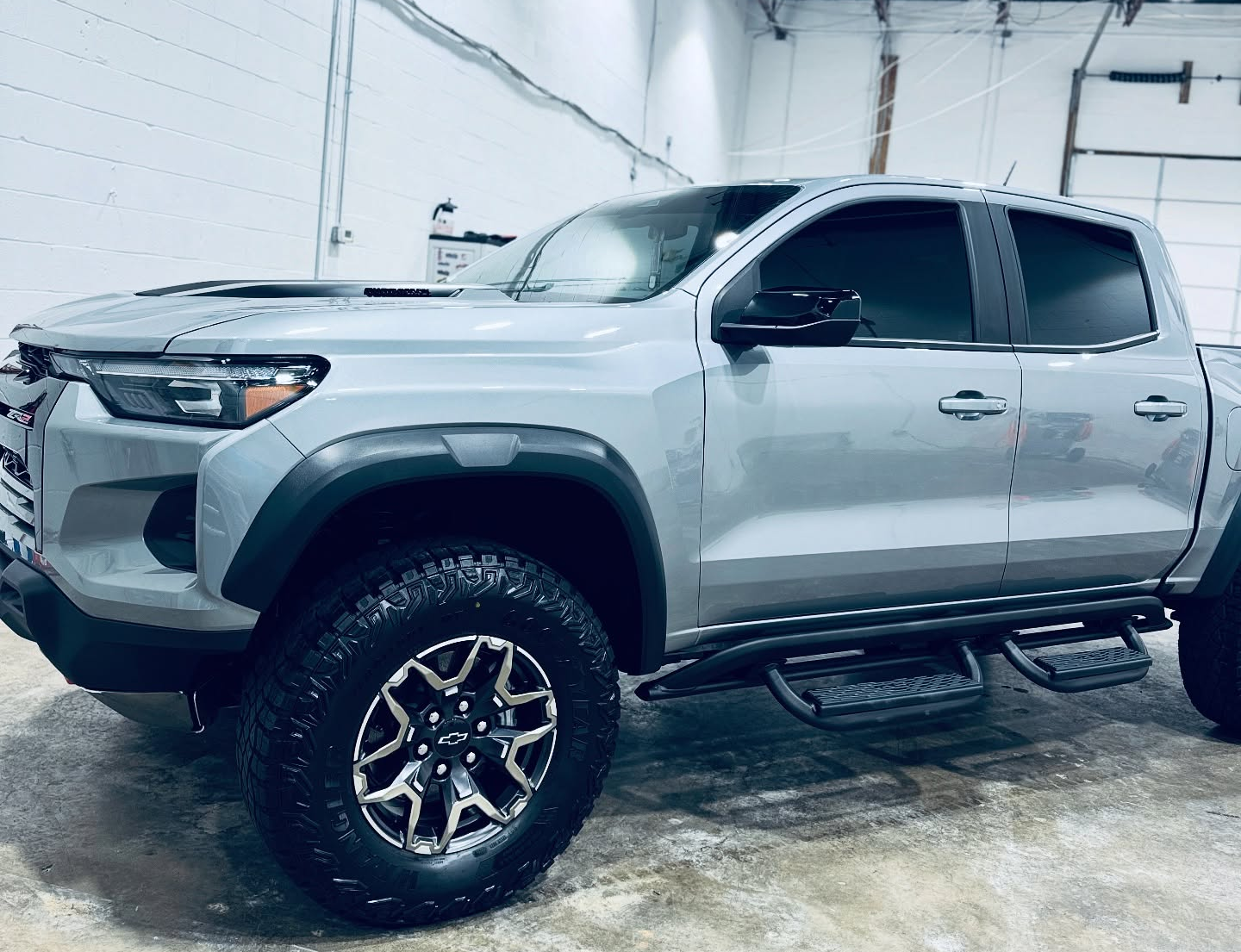
You can easily see through properly installed car window tint films from the inside; however, from the outside, passersby cannot easily peer into your vehicle's interior. This is a significant benefit for auto owners, especially when parking in high-traffic areas in Bel Air, Maryland. Automotive window tint films deter would-be burglars while keeping your car in compliance with the law.
Glare Reduction for Safer Driving
Our KAVACA Ceramic IR boasts excellent glare reduction, heat rejection, and UV protection for your vehicle. Reduced glare makes driving more comfortable and safer, particularly during dawn and dusk hours.
Why Professional Providers Ensure Vehicle Compliance
Choosing a professional automotive window tinting service over DIY alternatives offers significant advantages for your car's legal compliance.
Knowledge of Current Regulations
Professional auto tint installers work within the regulatory framework daily. They understand current VLT requirements, reflectivity standards, and any recent changes to local vehicle tinting laws. This knowledge informs their recommendations and protects you from inadvertent violations.
Quality Film With Verified Specifications
Professional-grade automotive window films come with documented specifications, including precise VLT percentages. Carbon-based and ceramic car window tints provide better performance than metallic or dye types, and they do not interfere with cell phone signal strength in your vehicle.
Proper Installation Techniques
Even a compliant film can cause problems if installed incorrectly on your car. Bubbling, peeling, or uneven application may draw attention from law enforcement and can affect the measured VLT of the installation. Professional auto tint installation ensures the film performs as specified on your vehicle.
Lifetime Quality
Our KAVACA Ceramic IR boasts lifetime durability with excellent glare reduction, heat rejection, and UV protection for your car. Professional installation backed by quality products provides lasting value for any vehicle.
How to Verify Legal Limits in Your Area
Rather than relying on outdated information, verify current automotive tint regulations through authoritative sources.
Your state's Department of Motor Vehicles or equivalent agency typically publishes official vehicle window tint regulations. Law enforcement agencies often publish summaries of auto tint laws in accessible formats. If your state requires vehicle safety inspections, contact an authorized inspection station to confirm the current car tint standards.
For customers in Maryland, Kleen Whips Auto Detailing maintains current knowledge of state requirements for automotive window tinting. We ensure every vehicle we service meets all applicable regulations.
Making an Informed Decision
Automotive window tinting offers real benefits for your car—reducing heat, enhancing privacy, protecting against UV exposure, and improving comfort. These benefits can be thoroughly enjoyed while remaining in compliance with the law. Understanding VLT percentages, window-specific rules, and enforcement considerations empowers you to make informed choices for your vehicle.
Before purchasing auto window tint, research your local requirements and ask potential providers questions. The right tint, professionally installed within legal parameters, provides lasting value and peace of mind for any car owner.
Ready for Compliant, High-Quality Automotive Window Tinting?
Want window tint for your car that meets all legal requirements while delivering heat rejection, UV protection, and privacy? Kleen Whips Auto Detailing offers professional automotive window tinting services in the Bel Air and Abingdon markets, with full compliance with industry standards. Our team will guide you through your options, answer your questions, and install premium KAVACA film that keeps your vehicle legal on the road. Schedule your appointment today to get started!