

Paint Protection Film vs Vinyl Wrap: What's the Real Difference
Two Products That Look Similar but Do Very Different Things
Here's something that comes up all the time. Someone walks in and asks about "that clear film stuff" or "wrapping their car," and they're not really sure which product they're talking about. Both paint protection film and vinyl wrap involve putting a film over your paint. Both can look great when done right. But they're designed for completely different purposes.
Paint protection film vs vinyl wrap is less about which one is better and more about what you're actually trying to accomplish. One product protects your paint from damage. The other changes how your car looks. They're not interchangeable, even though they seem similar on the surface.
At
Kleen Whips Auto Detailing in Bel Air, we install both. And we spend a good amount of time helping people figure out which one actually fits their situation. This article breaks down what each product does, how they compare, and which scenarios call for one over the other.
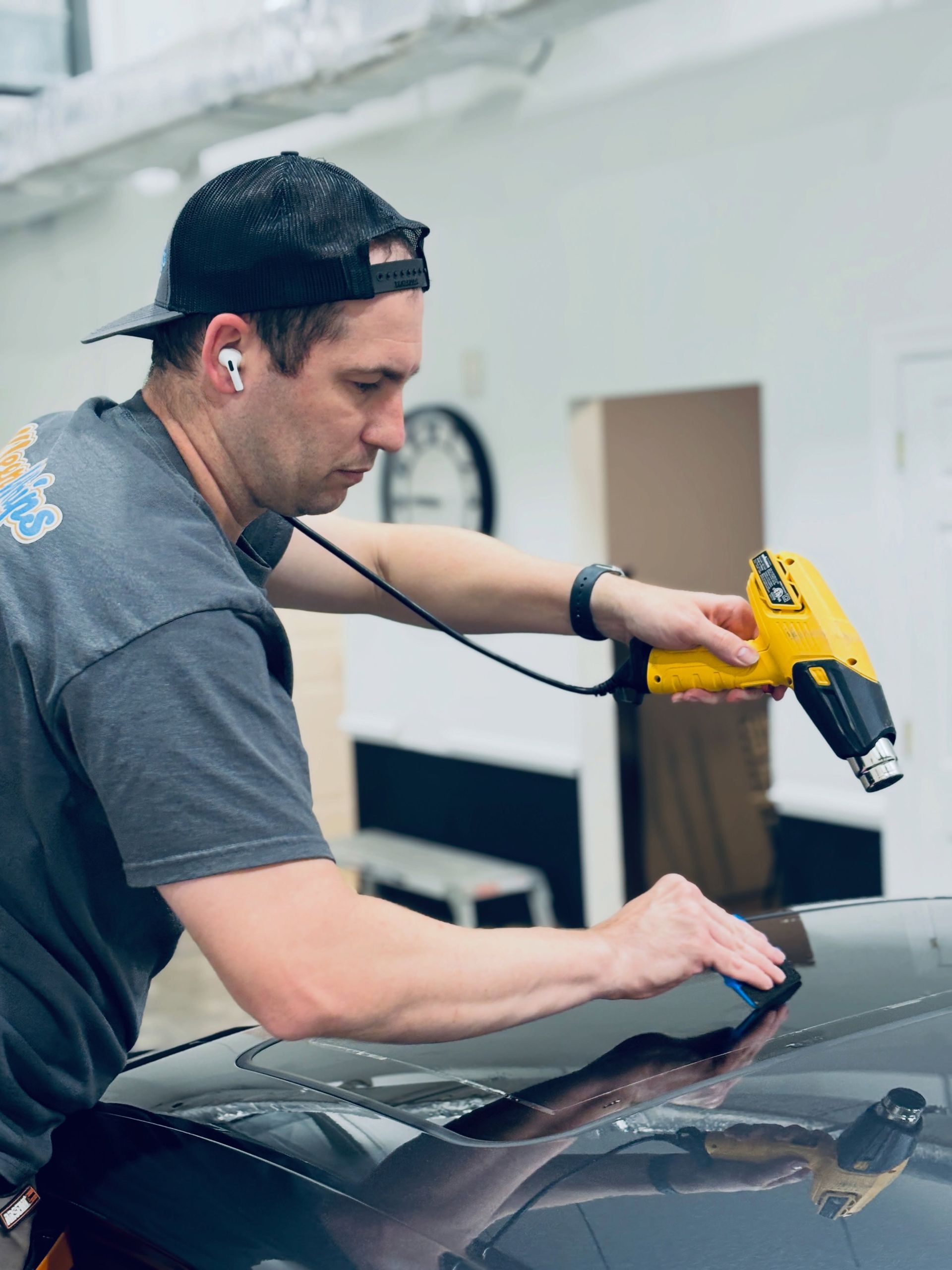
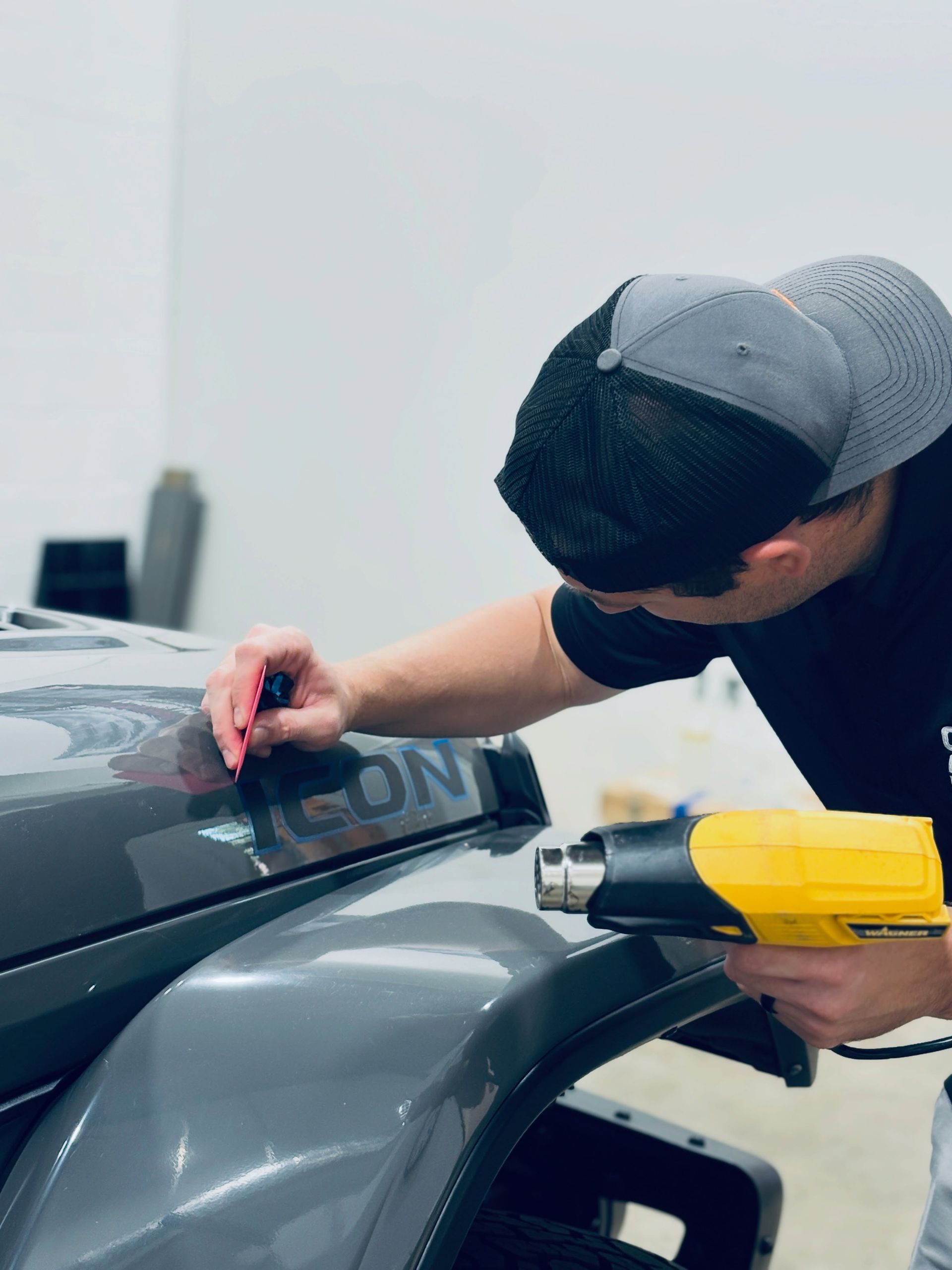
What Paint Protection Film Actually Does
Paint protection film exists for one main reason: to keep your paint from getting damaged. That's it. Everything about how it's made and how it's installed serves that single purpose.
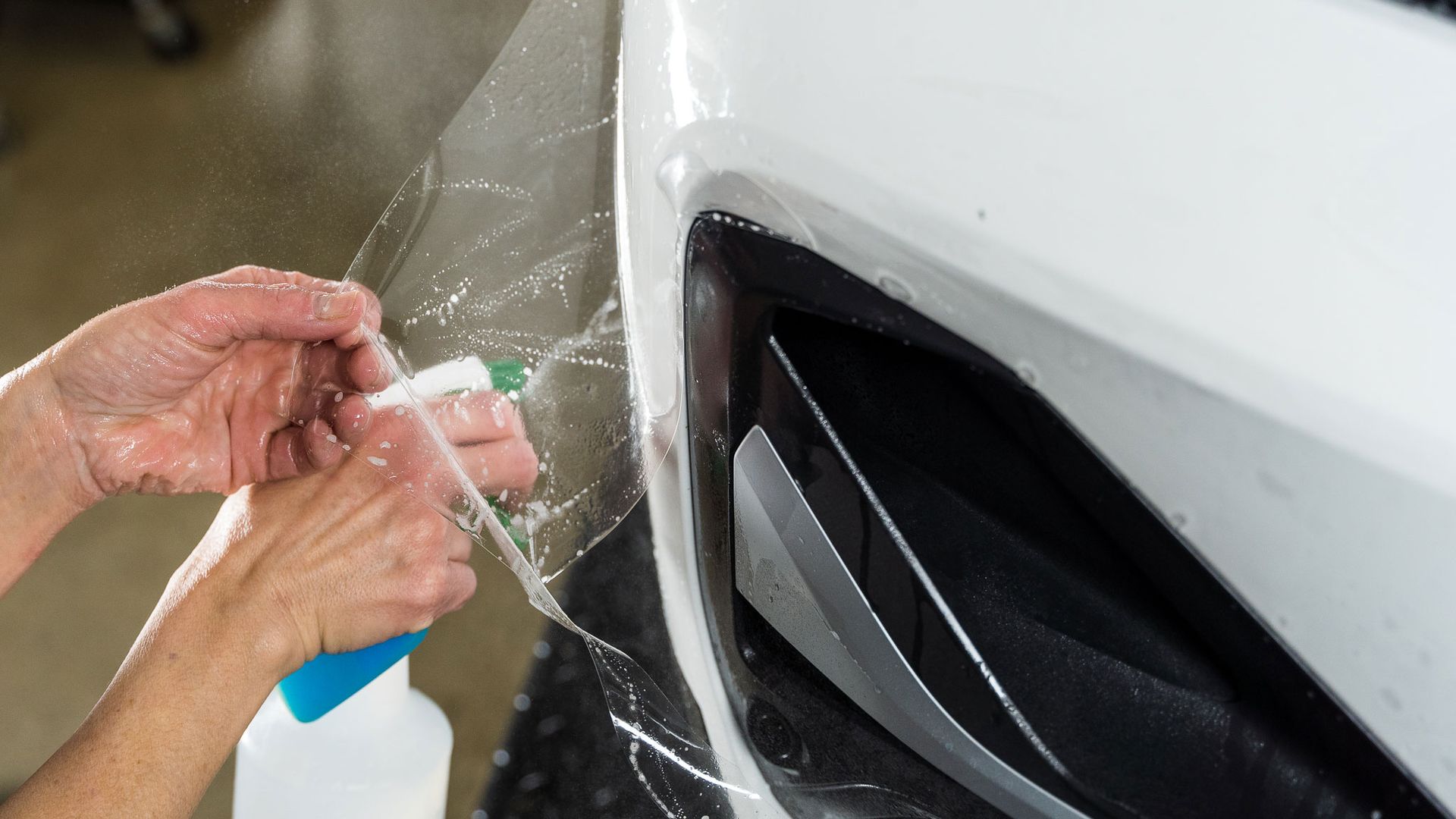
The film itself is a thick, clear urethane material. It absorbs impacts from road debris, rocks, gravel, and other stuff that hits your car while you're driving. When something strikes the film, the material takes the damage instead of your paint. Some films even have self-healing properties, meaning light surface marks disappear when exposed to heat.
Think of it like a screen protector for your phone. You put it on so the actual screen underneath stays perfect. Paint protection film does the same thing for your car's finish.
Here's what paint protection film is designed to handle:
- Rock chips from highway driving
- Gravel and debris kicked up by other vehicles
- Bug splatter and bird droppings that can etch paint
- Light abrasions from normal use
- UV exposure that fades paint over time
The film is nearly invisible when installed correctly. Most people won't even know it's there unless you tell them. The goal is to keep your factory paint looking exactly like it did the day you bought the car.
If you're trying to preserve your paint, especially on a new vehicle or one you plan to keep for a long time, paint protection film is built specifically for that job.
What Vinyl Wrap Actually Does
Vinyl wrap has a completely different purpose. It's designed to change how your car looks. You can go from white to matte black, add racing stripes, or create a custom design. The film covers your existing paint and gives the car an entirely new appearance.
The material is thinner than paint protection film and doesn't have the same impact-absorbing properties. It's not built to stop rock chips. It's built to transform your vehicle's color or finish without the permanence of a new paint job.
Vinyl wrap is popular because it gives you options. You can try a new look without committing forever. When you're ready for something else, the wrap comes off, and your original paint is underneath. Well, assuming the wrap was installed and removed properly.
Here's what vinyl wrap is designed to do:
- Change the color of your entire vehicle or specific sections
- Add matte, satin, gloss, or textured finishes
- Create custom graphics, patterns, or commercial branding
- Provide a temporary change that can be reversed later
- Protect paint from minor surface wear while the wrap is on
Some people use vinyl wrap as a protective layer, and it does offer some surface protection. But that's not its main job. The material wasn't engineered to absorb impacts the way paint protection film was. It'll keep your paint safe from light contamination and UV exposure, but it won't stop a rock chip.
The Purpose Behind Each Product
This is really the heart of the comparison. Before worrying about cost or durability, ask yourself what you're trying to accomplish.
If your answer is, "I want to keep my paint looking perfect for years," then paint protection film is the right choice. It's built to absorb punishment and keep your factory finish untouched. You're not changing anything about your car's appearance. You're preserving it.
If your answer is, "I want my car to look different than it does now," then vinyl wrap makes sense. You're not focused on impact protection. You're focused on a new look. The wrap gives you that without repainting.
Some people want both. They want to change the color and protect the new finish. In those cases, some shops apply a clear protective film over certain high-impact areas of the wrap. But that's getting into more complex territory.
The point is, these products aren't competing with each other. They're solving different problems. Knowing which problem you're solving makes the decision pretty straightforward.
How They Compare on Cost
Let's talk money, because that usually comes up pretty quickly.
Paint protection film generally costs more than vinyl wrap when you're covering the same amount of surface area. The material is thicker and more expensive to produce. Installation also takes more precision because the film needs to fit exactly and remain invisible.
Vinyl wrap can cover an entire vehicle for less than full paint protection film coverage would cost. That's partly because the material is different and partly because the installation process, while still skilled work, has different requirements.
But here's the thing. Comparing total cost doesn't always make sense because the coverage areas are often different.
Most people don't put paint protection film on their entire car. They cover high-impact zones: the front bumper, hood, fenders, mirrors, and maybe the rocker panels. These are the areas that actually get hit by debris. Covering a full vehicle in protection film is possible but expensive.
Vinyl wrap, on the other hand, usually goes on the whole vehicle. Otherwise you'd have a car that's two different colors. So you're comparing partial coverage of one product to full coverage of another.
When you account for what each product is typically used for, the pricing difference narrows. Partial paint protection film might cost similar to a full vinyl wrap, depending on the vehicle and the shop.
Durability and Lifespan
Both products last several years when properly maintained, but they age differently.
Paint protection film is built to take abuse. High-quality film can last many years on a vehicle that's driven daily, washed regularly, and parked in normal conditions. The film may yellow slightly over time on some older formulations, but modern films hold up much better. The self-healing top coat helps it look fresh even after accumulating light wear.
Vinyl wrap has a shorter lifespan on average. It can fade, peel, or lift at the edges over time, especially if the car is parked outside in direct sun regularly. A well-maintained wrap on a garage-kept vehicle lasts longer than one that bakes in the sun every day. You might get several good years from a quality wrap, but it's generally not a permanent solution.
This matters depending on how you use your car. If you're keeping a vehicle long-term and want protection that lasts, paint protection film makes more sense. If you're leasing or planning to change the look again in a few years, vinyl wrap's shorter lifespan isn't a problem.
Removal and What's Underneath
Both products can be removed, but the experience differs.
Paint protection film is designed to come off without damaging the paint underneath. When removed properly, your factory finish should look exactly like it did when the film went on. That's the whole point. You protected the paint, and now you get to see it.
Vinyl wrap can also be removed, but there's more risk involved. If the wrap was installed over paint that wasn't in great condition, or if the wrap stayed on too long, or if it wasn't removed carefully, you can end up with adhesive residue or even paint damage. Poor quality wraps or bad removal techniques cause most of these problems.
Neither product should damage your paint if everything is done right. But paint protection film has a better track record here because protection is literally what it's designed for. Vinyl wrap's main job is appearance, and removal is more of a secondary consideration.
When Paint Protection Film Makes Sense
There are certain situations where paint protection film is clearly the better choice.
You just bought a new car. The paint is perfect. You want it to stay that way. Putting protection film on the front end before the first rock chip happens gives you the best chance of keeping that showroom finish.
You drive a lot of highway miles. High-speed driving means more debris impact. If your commute involves highways or you take road trips regularly, your front end takes serious abuse. Protection film handles that.
You plan to keep the car for many years. Long-term ownership means long-term exposure to damage. Protecting the paint now saves you from expensive paint correction or repainting later.
You care about resale value. A car with perfect original paint is worth more than one with chips and wear. Protection film helps preserve that value even after years of driving.
When Vinyl Wrap Makes Sense
Vinyl wrap fits better in other scenarios.
You want a different color without repainting. A full respray is expensive and permanent. Vinyl wrap lets you go matte black, change to a bold color, or try something completely custom without committing forever.
You're using the vehicle for business. Commercial wraps with logos, contact information, or branding turn your car or truck into a moving advertisement. When the branding changes, the wrap comes off and a new one goes on.
You want to stand out. Maybe you're into car shows or just want something that turns heads. Vinyl wrap gives you options that paint doesn't, including color-shifting films, textured finishes, and unique patterns.
You're leasing or flipping vehicles. If you won't own the car long, a temporary change might make more sense than permanent protection. Just make sure the wrap comes off cleanly before you return it.
Can You Use Both at the Same Time
This question comes up occasionally. The short answer is yes, but it's not common.
Some people apply paint protection film to high-impact areas and vinyl wrap to the rest of the vehicle. Others apply clear protection film over a colored vinyl wrap to add durability. Both approaches work, but they add cost and complexity.
For most people, choosing one or the other based on their primary goal makes more sense. If protection is the priority, go with protection film. If appearance is the priority, go with vinyl wrap. Trying to do both on the same vehicle gets expensive and complicated quickly.
Making the Decision
By now you probably have a sense of which product fits your situation. But here's a quick way to think about it.
Ask yourself what matters more: keeping your paint perfect, or changing how your car looks. If it's protection, paint protection film is the answer. If it's appearance, vinyl wrap is the answer. That's really what it comes down to.
Both products require professional installation to look right and last. Both have their place. Neither one is better in every situation. They're just different tools for different jobs.
If you're still not sure, talk to someone who installs both. A good shop will ask about your goals, your budget, and how you use your car. Then they'll point you toward the option that actually makes sense. No pressure. Just honest advice.
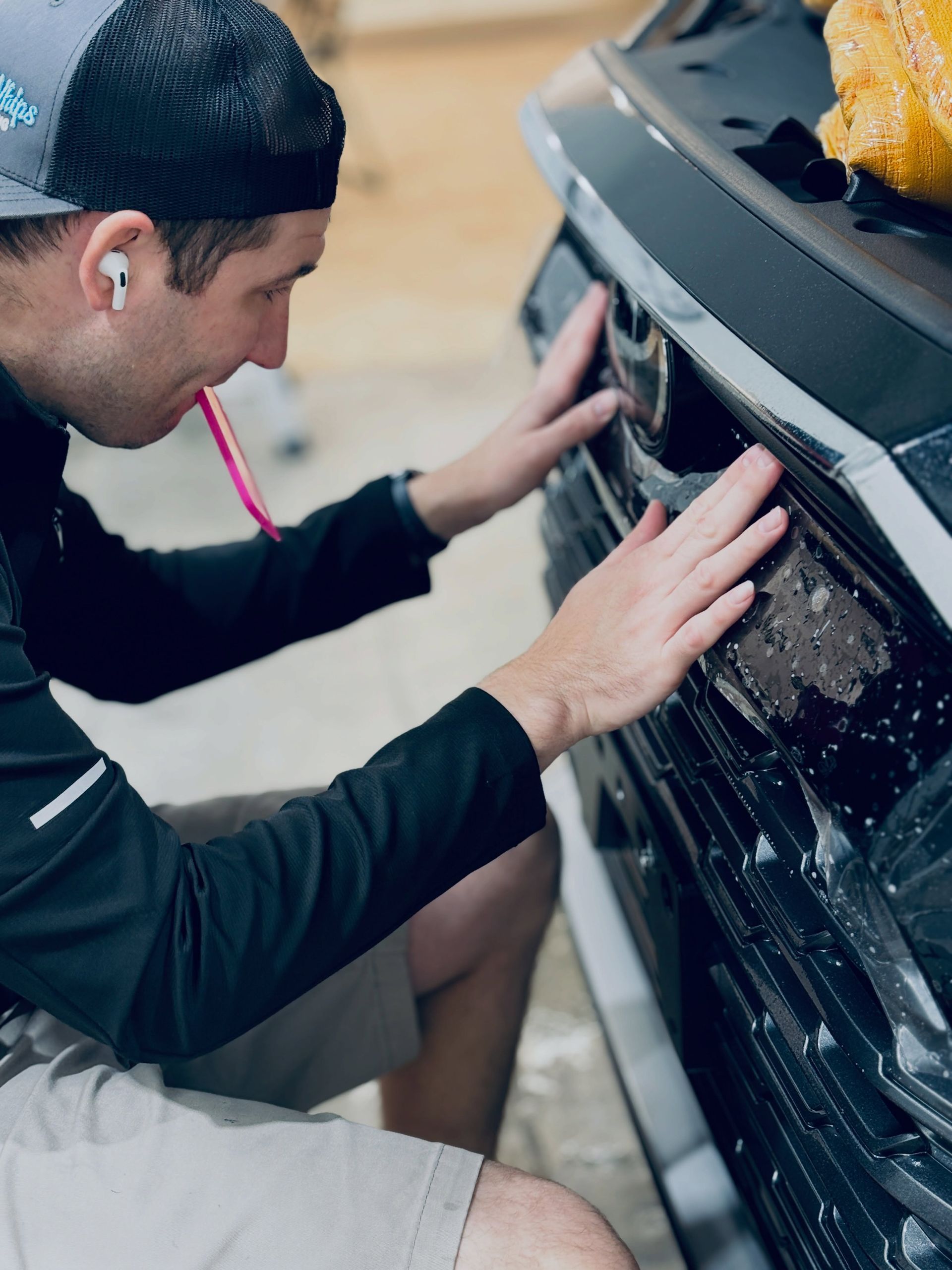
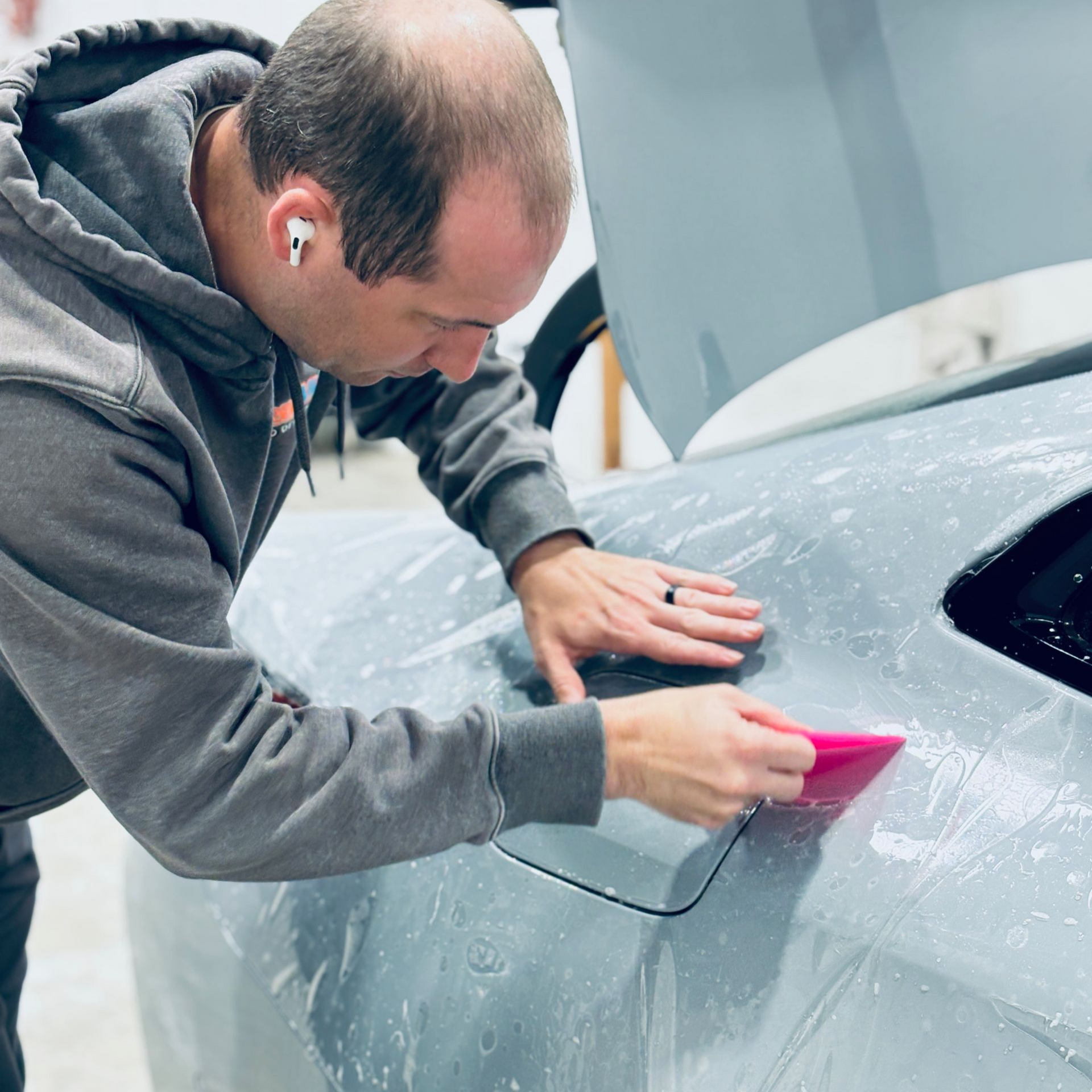
Ready to Decide
Now you understand the real difference between paint protection film and vinyl wrap. One protects. One transforms. Both have value depending on what you're after.
Curious which one fits your vehicle and your goals? Contact Kleen Whips Auto Detailing and we'll help you figure it out. We'll look at your car, listen to what you want, and give you a straight answer. That's how we do things around here.
Frequently Asked Questions
Does paint protection film change how my car looks?
Not really. High-quality paint protection film is nearly invisible when installed correctly. The film is clear and designed to blend with your existing paint. You might notice a slight sheen in certain lighting, but most people can't tell it's there at all. The whole point is to protect your factory finish without changing its appearance. Vinyl wrap, on the other hand, is specifically designed to change how your car looks.
Can vinyl wrap protect my car from rock chips?
Vinyl wrap offers some surface protection, but it's not designed to absorb impacts like paint protection film. A rock hitting vinyl wrap at highway speed can still damage the wrap and potentially the paint underneath. Vinyl wrap protects against light surface wear, UV exposure, and minor contamination. If rock chips are your main concern, paint protection film is the better choice. The materials are engineered differently for different purposes.
How long does each product last on a vehicle?
Paint protection film typically lasts longer than vinyl wrap, often many years on a daily driver with proper care. Vinyl wrap lifespan depends heavily on sun exposure and maintenance. A garage-kept vehicle with quality wrap might hold up for several years. One parked outside in direct sun every day will show wear sooner. Neither product lasts forever, but protection film generally has better longevity because durability is part of its core design.
Which one is easier to remove later?
Both can be removed, but paint protection film tends to come off more cleanly. It's designed to protect paint, so clean removal is part of the product's purpose. Vinyl wrap removal depends on the quality of the wrap, how long it was on, and how carefully it's removed. Poorly installed or old wrap can leave adhesive residue or even damage paint during removal. Professional removal helps avoid these problems with either product.
Can I apply paint protection film over a vinyl wrap?
Yes, some people do this to protect the wrap itself from chips and wear. It adds cost and complexity, but it's possible. The clear protection film goes over the colored wrap, giving you both the custom appearance and the impact resistance. Most people choose one or the other, but combining them works if you want both benefits and don't mind the extra investment.