

There Is No Magic Number
Let's get something out of the way first. If someone tells you every car needs detailing every three months, they're oversimplifying. The real answer depends on how you use your vehicle. A commuter battling Maryland weather five days a week has totally different needs than someone who drives a weekend cruiser that lives in a garage.
How often should you detail your car comes down to a few honest questions. How much do you drive? Where does your car sleep at night? What kind of mess does it deal with? And how picky are you about keeping it looking good?
At Kleen Whips Auto Detailing in Bel Air, we talk through this with customers all the time. Some folks need us every couple of months. Others do just fine coming in twice a year. Neither is wrong. It just depends on the situation.
This article breaks it down by how you actually live with your car. Find your category and you'll walk away with a schedule that makes sense.
The Daily Commuter
This is probably the most common situation we see. You drive to work, sit in traffic, park in a lot, and do it all again the next day. Your car racks up miles and exposure pretty quickly.
Daily drivers deal with road grime, brake dust, bird droppings, and whatever the weather throws at them. In Maryland, that means salt in the winter and pollen in the spring. Your paint takes a beating just from normal use.
Here's a good rule of thumb for daily commuters:
- Full detail two to four times per year
- Quick maintenance washes every two to three weeks
- Interior wipe-down monthly if you eat or drink in the car
If you have a longer commute or park outside at work, lean toward the higher end. More exposure means more contamination building up on your paint and more dust settling inside.
You don't need a full detail every month. That's overkill for most people. But going a full year without one? Your paint will show it.
The Garage-Kept Weekend Car
Some cars don't see rain. They don't sit in parking lots. They come out on nice weekends and go right back into the garage. If this sounds like your situation, you can stretch the time between details.
Garage-kept vehicles avoid most of the environmental contamination that damages paint over time. No sun beating down on it all day. No bird droppings baking onto the hood. No road salt eating away at the finish.
A reasonable schedule for weekend cars looks like this:
- Full detail once or twice per year
- Light dust removal before each drive
- Interior cleaning as needed, usually minimal
Even though these cars get less dirty, they still benefit from periodic professional attention. Dust accumulates. Leather dries out. Rubber seals need conditioning. A detail keeps everything in good shape even when the car isn't being stressed by daily use.
The main thing is not to assume a garage protects against everything. It helps a lot, but it doesn't stop aging entirely.
The Family Hauler
Kids change everything. If you've got car seats, sports equipment, snack wrappers, and mystery stains, you know exactly what I'm talking about. Family vehicles get used hard, and the interior takes the worst of it.
The outside might stay reasonably clean, but the inside becomes a collection zone. Crumbs in the seats. Juice spills. Muddy shoes. The chaos adds up fast.
For family vehicles, here's what works:
- Full detail three to four times per year, with interior focus
- Quick interior vacuum and wipe-down every two weeks
- Spot cleaning for spills as they happen
Don't wait until the interior is out of control. Regular attention keeps things manageable. Once stains set in or odors develop, they're harder to deal with.
The exterior still matters, but families often find interior cleaning is where the real need sits. A good detailing service can reset the cabin and make the car feel new again.
The Work Truck or Commercial Vehicle
Trucks and work vehicles live a different life. They haul materials, sit at job sites, and get dirty in ways that regular cars don't. Mud, dust, concrete splatter, and tool marks are just part of the deal.
These vehicles also make an impression on customers. A clean work truck says something about how you run your business. Even if it gets dirty again the next day, showing up with a presentable vehicle matters.
A practical schedule for work vehicles includes:
- Full detail every two to three months
- Exterior rinse weekly or as needed
- Interior clearing and wipe-down after heavy use
Some folks think work trucks don't need detailing because they'll just get dirty again. That misses the point. Regular cleaning prevents permanent damage. Paint gets stained. Bed liners break down. Interiors get ruined.
Treating your work vehicle well also helps when it's time to sell or trade in. A truck that's been maintained looks and drives better than one that's been neglected.
The Enthusiast or Show Car
If you're reading this section, you probably already know your car better than most. Enthusiast vehicles get attention because their owners care about every detail. That's the whole point.
Show cars and weekend performance vehicles deserve a different approach. The goal isn't just maintenance. It's preservation.
Here's what serious enthusiasts often follow:
- Full detail after every show season or event
- Protective treatments reapplied as needed
- Regular inspections for paint defects or contamination
Some enthusiasts prefer to handle routine maintenance themselves and bring the car in for deeper work a few times per year. Others want professional hands on it every time. Both approaches work.
The key is staying ahead of problems. A small chip or spot of contamination is easy to address early. Left alone, it becomes a bigger issue.
If you've got a coated or protected vehicle, follow the maintenance schedule that came with the service. That keeps everything performing the way it should.
Seasonal Factors in Maryland
Where you live affects how often your car needs attention. Maryland throws a little bit of everything at your vehicle throughout the year.
Winter brings road salt. That stuff is brutal on paint, wheels, and undercarriages. Spring brings pollen, which looks harmless but can etch into clear coat if it sits too long. Summer brings heat, bugs, and UV exposure. Fall brings leaves and tree sap.
Adjust your schedule based on the season:
- End of winter: Detail to remove salt and winter grime
- Mid-spring: Address pollen contamination
- End of summer: Clean off bug splatter and restore protection
- Fall: Clear away leaves and prep for winter
You don't need four details per year just because there are four seasons. But timing your services around seasonal changes makes them more effective.
Signs Your Car Is Overdue
Sometimes the calendar isn't the best guide. Your car will tell you when it needs attention if you know what to look for.
Watch for these signs:
- Paint feels rough to the touch, even after washing
- Water no longer beads on the surface
- Interior surfaces feel sticky or grimy
- Persistent odors that don't go away
- Visible stains or discoloration inside
If your paint feels rough, that's bonded contamination. A wash won't fix it. You need decontamination and possibly paint correction to restore the surface.
If you're noticing any of these signs, don't wait for the next scheduled detail. Your car is already telling you it needs help.
Building a Routine That Works
The best schedule is one you'll actually stick to. That sounds obvious, but it's true. An ambitious plan that you never follow doesn't help your car.
Start with a baseline that matches your situation. Then adjust based on what you notice. If your car looks great at the next scheduled service, you might be able to stretch the interval. If it looks rough, tighten things up.
Here's a simple way to think about it:
- Pick a core interval based on your use case
- Add maintenance washes between full details
- Pay attention to seasonal needs
- Respond to warning signs when they show up
You don't need to overthink this. A little regular attention goes a long way toward keeping your car looking good and holding its value.
What a Full Detail Actually Does
It helps to understand what you're getting when you book a full detail. This isn't just a car wash with extra steps.
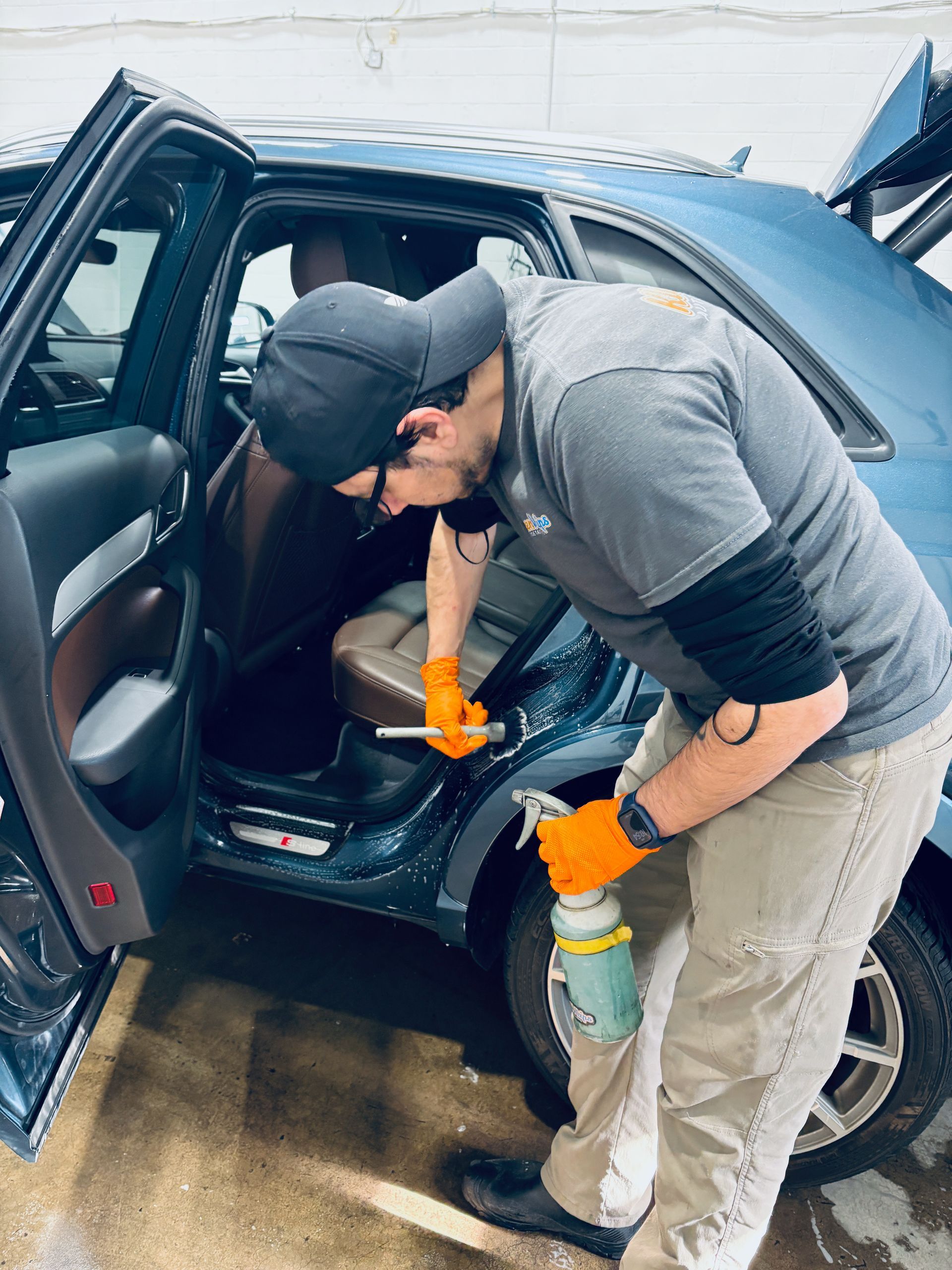
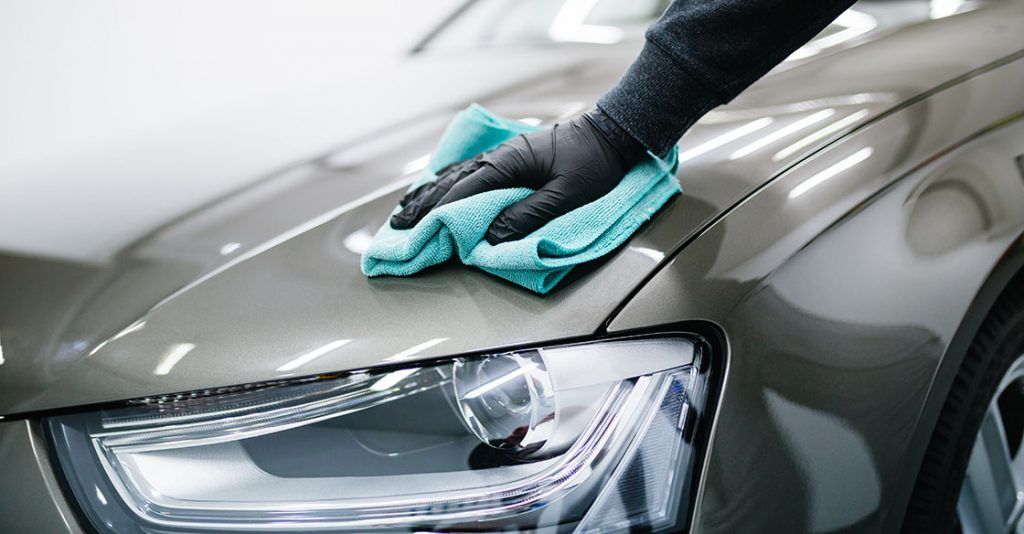
A proper detail addresses your entire vehicle inside and out. Exterior decontamination removes bonded particles. Paint gets cleaned and protected. Interior surfaces get deep cleaned and conditioned. Glass, wheels, and trim all get attention.
The result is a car that looks, feels, and even smells better. Everything gets reset to a clean baseline. That's different from a quick wash, which only removes surface dirt.
Understanding the difference helps you decide when a full detail makes sense versus when a simple wash is enough.
Ready to Get on a Schedule
Now you know how often should you detail your car based on your actual life. There's no universal answer because every situation is different. What matters is finding a rhythm that keeps your car in good shape without overdoing it.
If you're not sure where to start, just ask. Contact Kleen Whips Auto Detailing and we'll help you figure out a schedule that makes sense for how you drive and what you care about. No pressure. Just honest advice from people who work on cars every day.
Frequently Asked Questions
Is detailing the same as getting a car wash?
No, and the difference matters. A car wash removes loose dirt from the surface. That's pretty much it. A detail goes way deeper. It includes decontamination to remove bonded particles, interior deep cleaning, leather or fabric conditioning, glass cleaning inside and out, and paint protection. Think of a car wash as maintenance between details. The detail itself is the reset that keeps everything in good condition over time.
Can I detail my car too often?
You can, but it's rare. Most people actually wait too long between services. Over-detailing usually means unnecessary paint correction, which removes clear coat. If you're just doing maintenance details with proper techniques, there's no real downside to frequency. The risk comes from aggressive polishing done too often. Regular cleaning and protection won't hurt your paint. It actually helps it last longer.
How do I maintain my car between full details?
The routine is simple. Wash your car every two to three weeks using proper methods. Avoid automatic washes with spinning brushes. Wipe down interior surfaces monthly. Clean glass when it gets hazy. Address bird droppings or tree sap right away before they etch into the paint. These small habits extend the life of your detail and keep your car looking good between professional services.
Does having a coating change how often I need details?
A coating makes maintenance easier, but it doesn't eliminate the need for detailing. Coated vehicles still get dirty. They still collect contamination. The coating just makes cleaning easier and protects the paint underneath. Most coated cars still benefit from professional maintenance two to three times per year. Check the maintenance requirements for your specific coating to keep the protection performing properly.
What time of year is best to get a detail in Maryland?
Late spring and early fall are popular times. Late spring lets you remove all the pollen and winter grime after the cold season ends. Early fall preps your car for winter by adding protection before salt hits the roads. That said, any time works if your car needs attention. Don't wait for the "perfect" time if your vehicle is showing signs of neglect right now.