

Combining Paint Protection Film and Ceramic Coating: The Ultimate Defense Strategy
Why One Layer of Protection Isn't Always Enough
If you've been researching vehicle protection, you've probably come across two major products: paint protection film and ceramic coating. Both offer real benefits, and both protect your vehicle in meaningful ways. But here's something worth considering - they protect against completely different types of damage.
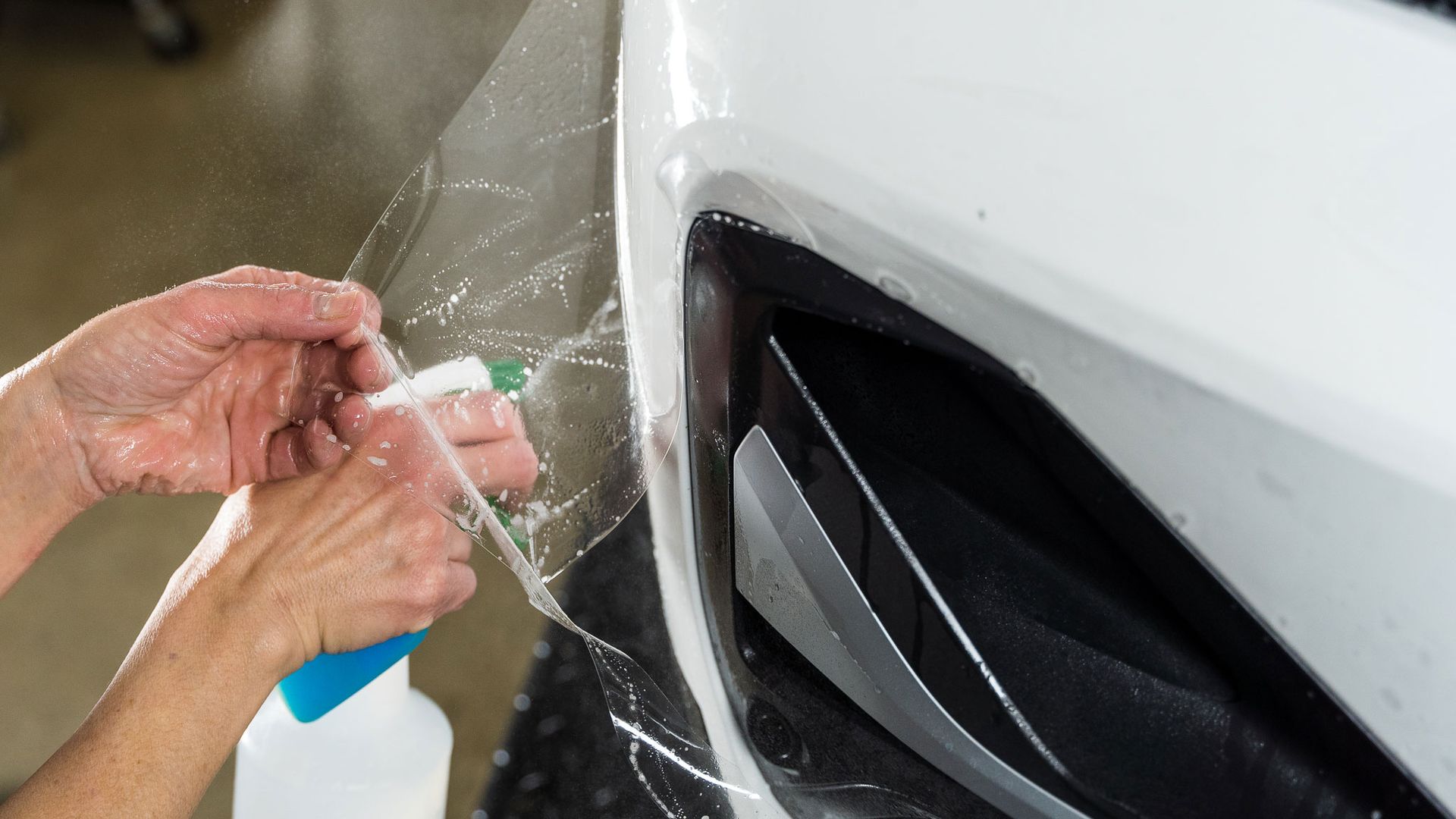
PPF and ceramic coating together create a layered defense system that covers threats neither product handles well on its own. Think about it this way. PPF shields your paint from physical impacts like rock chips and scratches. Ceramic coating guards against environmental and chemical damage like UV rays and bird droppings. When you combine them, you get comprehensive protection that addresses basically every threat your vehicle faces.
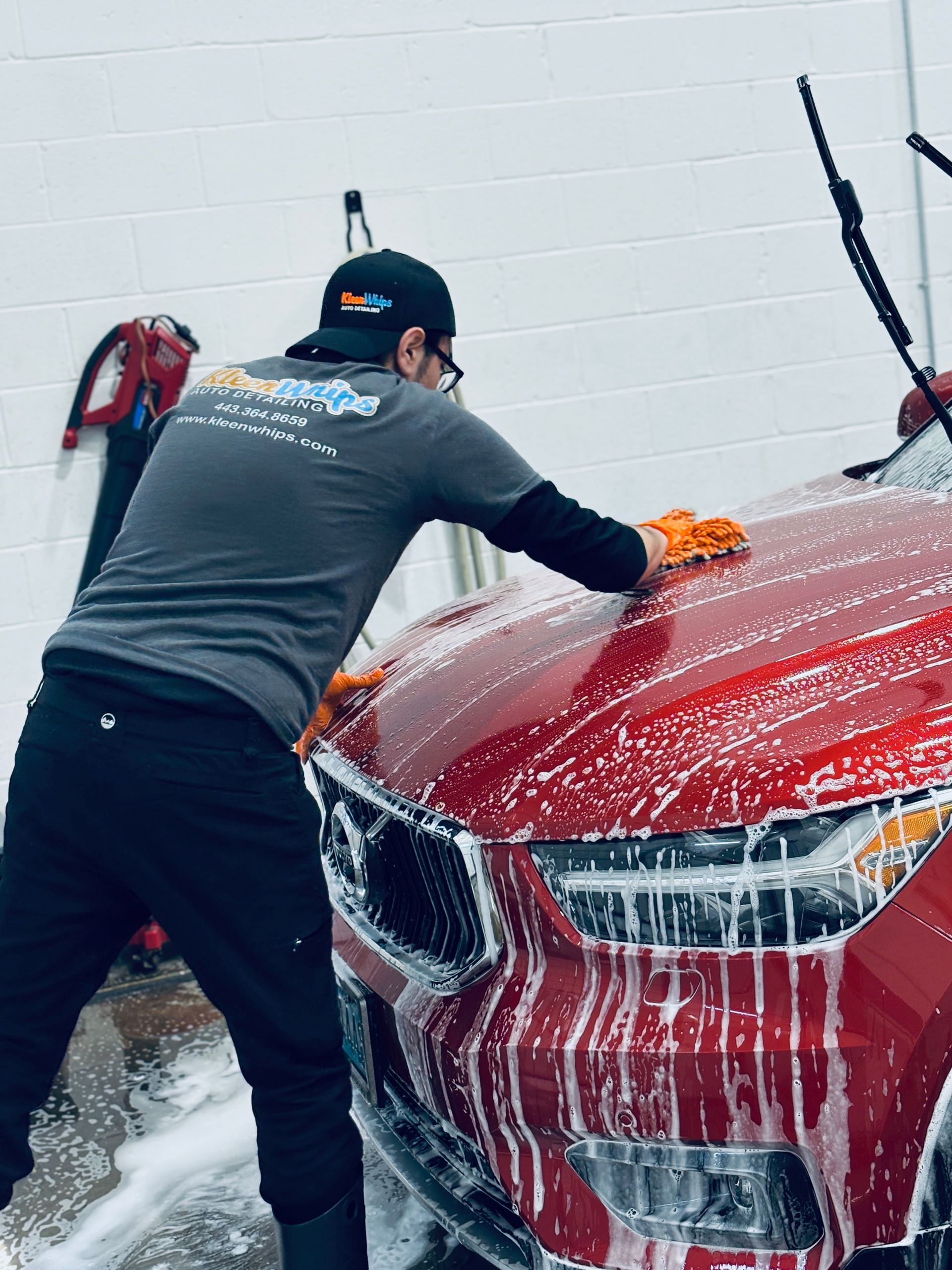
At Kleen Whips Auto Detailing in Bel Air, we install both products regularly. Some customers choose one or the other based on their priorities and budget. But what about the customers who want maximum protection? They go with the combination approach, and here's why it makes sense.

Understanding the Gaps in Single-Product Protection
Let's be honest about what each product does and doesn't do.
Paint Protection Film Alone: PPF excels at stopping physical damage. It absorbs impacts from rocks, resists scratches from road debris, and its self-healing properties make minor abrasions disappear. But PPF doesn't offer the same level of chemical resistance or hydrophobic properties that ceramic coating provides. Over time, PPF can collect contaminants, water spots, and staining without additional protection.
Ceramic Coating Alone: Ceramic coating creates an incredible barrier against UV damage, chemical etching, and environmental contamination. It makes your vehicle easier to clean and gives it that deep, reflective shine. But when a rock hits your paint at highway speed, that thin ceramic layer won't stop the chip. It's just not designed for impact protection.
The gap is clear. Physical threats need one solution. Chemical and environmental threats need another. Combined protection covers both.
How PPF and Ceramic Coating Complement Each Other
Here's where things get interesting. These two products don't just work side by side - they actually enhance each other's performance.
When you apply ceramic coating over PPF, the coating bonds to the film surface just like it bonds to paint. This creates multiple benefits:
- Enhanced PPF Performance - The ceramic coating makes the PPF surface more hydrophobic, so water beads off more effectively. Contaminants like bug splatter, bird droppings, and road grime wash off more easily. The PPF stays cleaner longer and resists staining better than uncoated film.
- Extended PPF Lifespan - Ceramic coating adds an extra layer of UV protection on top of the PPF. This helps prevent yellowing and degradation of the film over time. Your PPF maintains its clarity and protective qualities for longer.
- Complete Surface Protection - You get impact resistance where you need it most (front bumper, hood, fenders) plus chemical resistance and shine across your entire vehicle. Every painted surface receives appropriate protection based on its vulnerability.
The Layered Defense Concept Explained
Think of vehicle protection like home security. You don't just install a deadbolt or just install an alarm system. You use both because they protect against different threats. The same logic applies to your vehicle.
Layer 1: Paint Protection Film: This is your impact-absorbing barrier. Paint protection film goes on high-impact areas like the front bumper, hood, fenders, mirrors, and door edges. These spots face constant bombardment from road debris, and PPF takes the hits instead of your paint.
Layer 2: Ceramic Coating: This is your chemical and environmental shield. Ceramic coating goes over the PPF and covers all remaining painted surfaces. It blocks UV rays, repels chemicals, prevents water spots, and makes maintenance significantly easier.
Together, these layers create a comprehensive defense. Physical impacts? PPF handles it. Chemical exposure? Ceramic coating handles it. You're covered from every angle.
Real Benefits of the Combination Approach
Let's talk about what you actually get when you invest in both products together:
- Maximum Paint Preservation - Your paint faces zero exposure to impacts on PPF-covered areas and zero exposure to environmental damage anywhere on the vehicle. This level of protection maintains your vehicle's condition better than any single product can.
- Easier Long-Term Maintenance - The ceramic-coated PPF stays cleaner and washes more easily than uncoated film. The hydrophobic properties mean less scrubbing, less chance of installing wash-induced scratches, and more time between detailed cleanings.
- Enhanced Resale Value - Buyers pay premium prices for vehicles in excellent condition. When your paint remains flawless because it's been protected from both impact and environmental damage, that investment pays off when you sell or trade.
- Peace of Mind While Driving - You can drive confidently knowing your vehicle has the best protection available. Highway trips, gravel roads, and parking lots - none of these situations cause the anxiety they create for owners with unprotected paint.
Strategic Application: Which Layer Goes Where
Smart application matters as much as the products themselves. Here's how we approach combined protection at Kleen Whips Auto Detailing:
- PPF Application Areas - Front bumper, full hood, front fenders, mirror caps, door edges, door handles, rocker panels, and rear bumper sections. These areas get the most physical contact and benefit most from impact protection. We offer packages ranging from basic front-end coverage to full-vehicle PPF, depending on your protection goals and budget.
- Ceramic Coating Application - We apply ceramic coating over all PPF surfaces and across every remaining painted surface. This creates uniform protection and appearance across your entire vehicle. The result is complete coverage, where PPF handles impacts and ceramic coating handles everything else.
- Paint Correction First - Before applying either product, our paint correction services remove existing imperfections. You're locking in a perfect finish under both protection layers.
Who Benefits Most from Combined Protection
The combination approach isn't necessary for everyone, but it makes tremendous sense for certain vehicle owners:
- New Vehicle Owners - Protecting a brand-new vehicle from day one preserves that showroom condition indefinitely. Starting with both PPF and ceramic coating means your paint never experiences unprotected exposure.
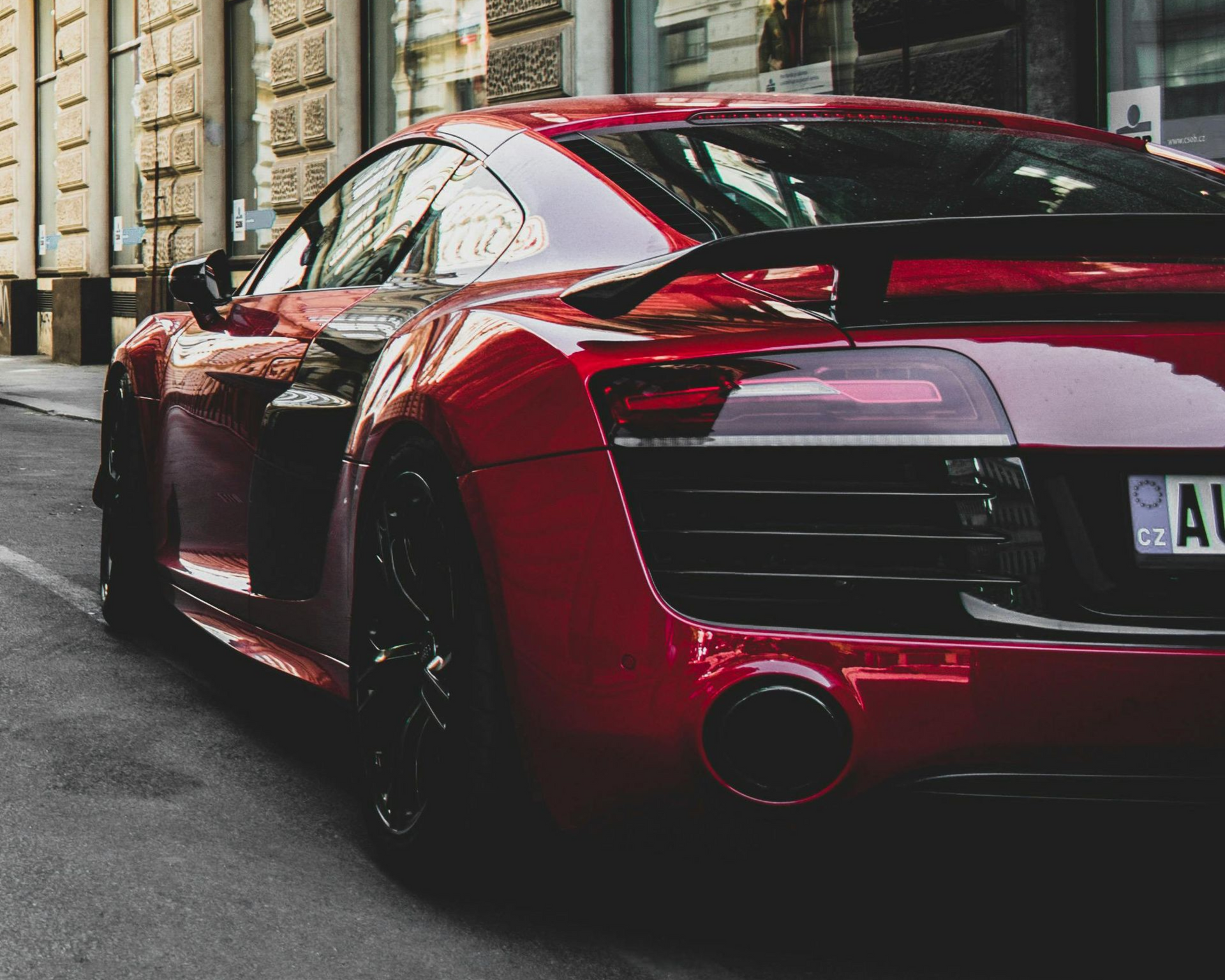
- High-Value Vehicle Owners - If you drive a luxury, exotic, or high-performance vehicle, the paint replacement cost alone justifies premium protection. Combined coverage protects your significant investment appropriately.
- Long-Term Ownership Plans - Planning to keep your vehicle for 10+ years? Combined protection maintains like-new condition throughout your ownership, making those years more enjoyable and preserving value if you eventually sell.
- Daily Highway Drivers - Regular highway driving means constant rock chip risk. PPF becomes essential, and adding ceramic coating maximizes your protection investment with minimal additional cost.
- Enthusiasts and Collectors - If you care deeply about your vehicle's condition and appearance, combined protection delivers the peace of mind and results you want.
The Investment Perspective
Yes, combining PPF and ceramic coating costs more than choosing just one product. But consider what you're getting. You're not paying twice for the same protection - you're paying for two different types of protection that work together.
The ceramic coating actually costs less when applied during PPF installation because the surface preparation is already complete. You save time and labor by doing both services together rather than separately.
More importantly, you're protecting against expensive repairs. Paint correction, panel repainting, and depreciation from poor paint condition all cost significantly more than prevention through proper protection.
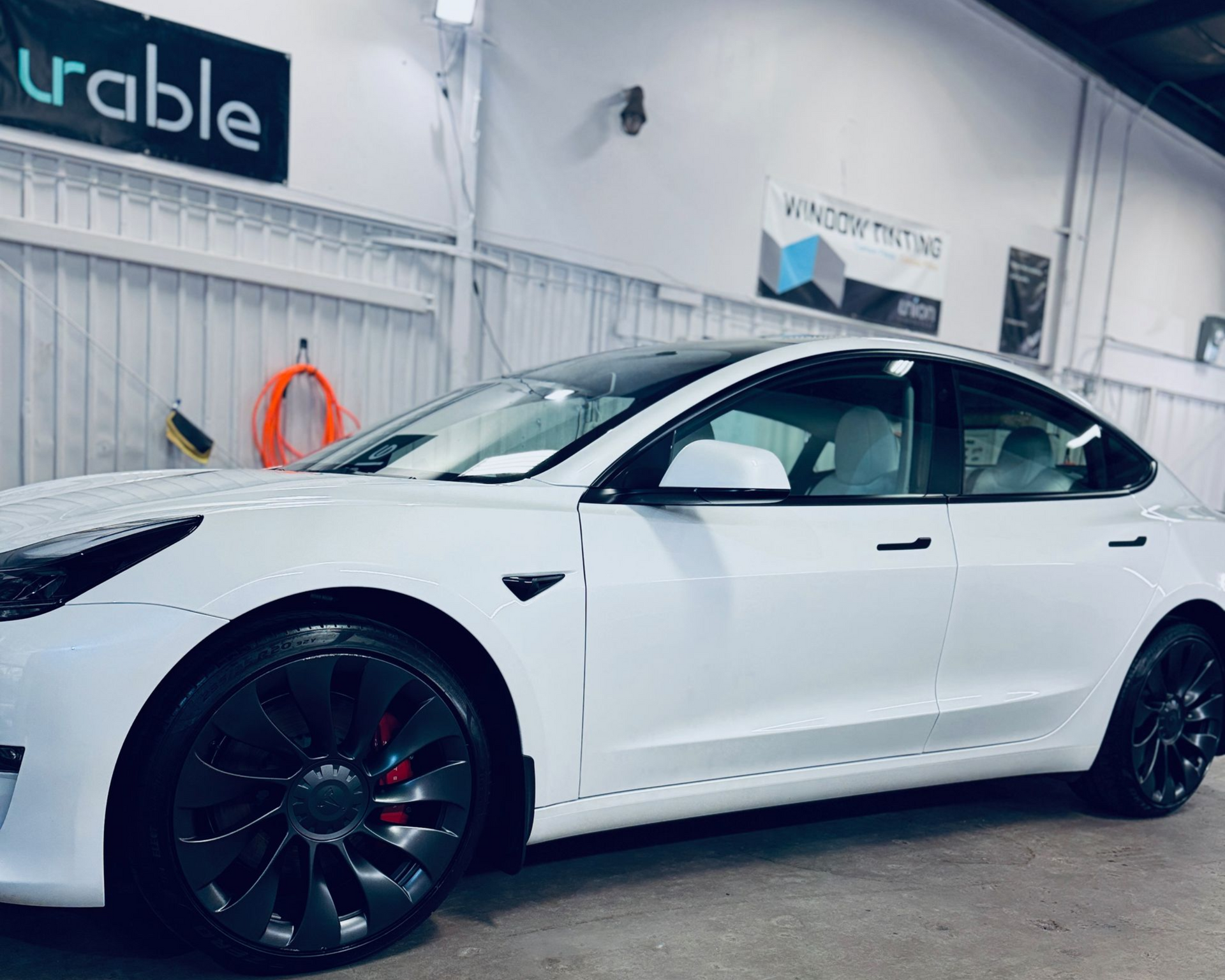
Ready to Give Your Vehicle the Ultimate Protection?
Combined PPF and ceramic coating protection represents the highest level of vehicle care available. You get impact resistance where it matters most, chemical and environmental protection everywhere, and the confidence that comes from comprehensive coverage.
Ready to protect your vehicle the right way? Contact Kleen Whips Auto Detailing to learn about our comprehensive PPF and ceramic coating packages. We'll assess your vehicle, discuss your protection goals, and create a customized solution that fits your needs and budget.
Frequently Asked Questions About PPF and Ceramic Coating Together
Can I apply ceramic coating over existing paint protection film?
Yes, you can apply ceramic coating over existing PPF as long as the film is in good condition and properly cleaned. The ceramic coating bonds to the PPF surface just like it bonds to paint, adding hydrophobic properties and chemical resistance to the film. This is actually a popular upgrade for people who installed PPF first and later decided they wanted the benefits of ceramic coating as well.
Should I install PPF first or ceramic coating first?
Always install PPF first, then apply ceramic coating over both the PPF and the remaining painted surfaces. PPF requires extensive surface preparation, including cleaning and sometimes light correction. Applying ceramic coating first would mean removing it during PPF installation, wasting your investment. The proper sequence is paint correction, PPF installation, and then ceramic coating application over everything.
Does ceramic coating help PPF last longer?
Yes, ceramic coating extends PPF lifespan in several ways. The coating adds UV protection that prevents yellowing and degradation of the film. It also makes the PPF surface more resistant to staining from contaminants like bug splatter and bird droppings. The hydrophobic properties mean the film stays cleaner, requiring less aggressive cleaning that could wear the film over time.
Is the combination more expensive than doing them separately?
Actually, combining PPF and ceramic coating during the same service period often costs less than doing them separately. The surface preparation required for PPF installation also prepares the surface for ceramic coating application. You save on duplicate labor and time. Most shops offer package pricing that makes the combination more cost-effective than two separate appointments.
How long does combined PPF and ceramic coating protection last?
PPF typically lasts 5-10 years, depending on quality and maintenance, while ceramic coating warranties range from 2 years to lifetime, depending on the package chosen. At Kleen Whips Auto Detailing, our Ceramic Pro packages include Bronze with a 2-year warranty, Silver with a 5-year warranty, and Gold with a lifetime warranty. The PPF and ceramic coating can be maintained and reapplied as needed to continue protection indefinitely.