

Paint Protection Film Thickness: Does Mil Rating Actually Matter?
Understanding PPF Thickness Specifications
You're comparing paint protection film options and seeing terms like 6-mil, 8-mil, and 10-mil. Does paint protection film thickness actually matter, or is it just marketing? The short answer: yes, thickness affects protection, but thicker isn't automatically better for every situation.
Understanding what mil ratings mean helps you choose the right protection level for your specific needs without overpaying for features you don't need or underprotecting areas that matter most.
At Kleen Whips Auto Detailing in Bel Air, we help customers match PPF specifications to their actual protection requirements. Let's demystify thickness ratings and help you make an informed decision.
What Mil Rating Actually Measures
A mil is a unit of measurement equal to one-thousandth of an inch. When you see 8-mil PPF, that means the film is 0.008 inches thick. For perspective, a standard piece of paper is about 4 mils thick.
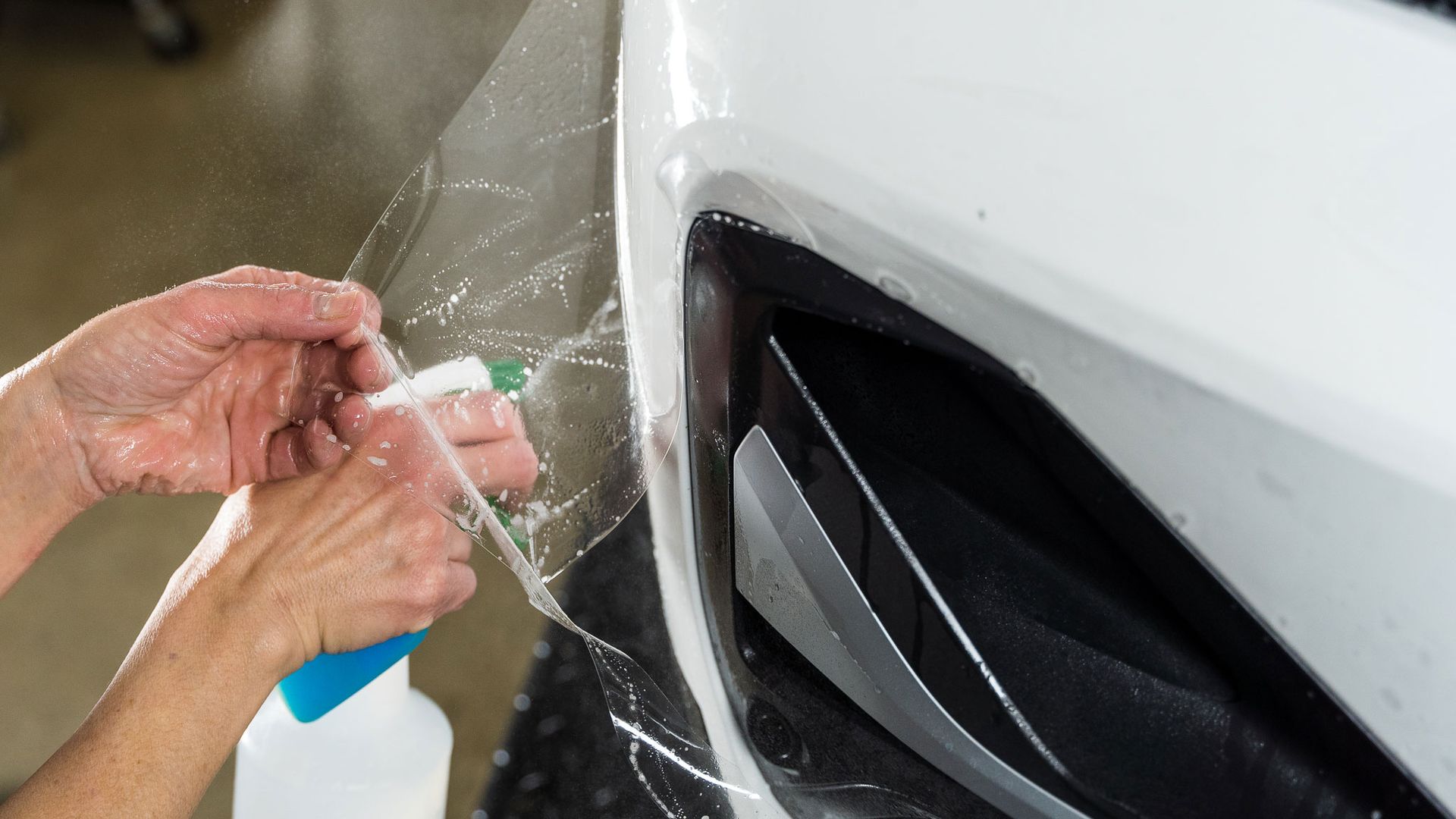
PPF thickness includes all layers of the film: the adhesive layer that bonds to your paint, the protective urethane layer that absorbs impacts, and the clear coat layer that provides the smooth finish and often contains self-healing properties.
The protective urethane layer is what matters most for impact resistance. Thicker films generally have more urethane, which means more material to absorb energy from road debris before it reaches your paint.
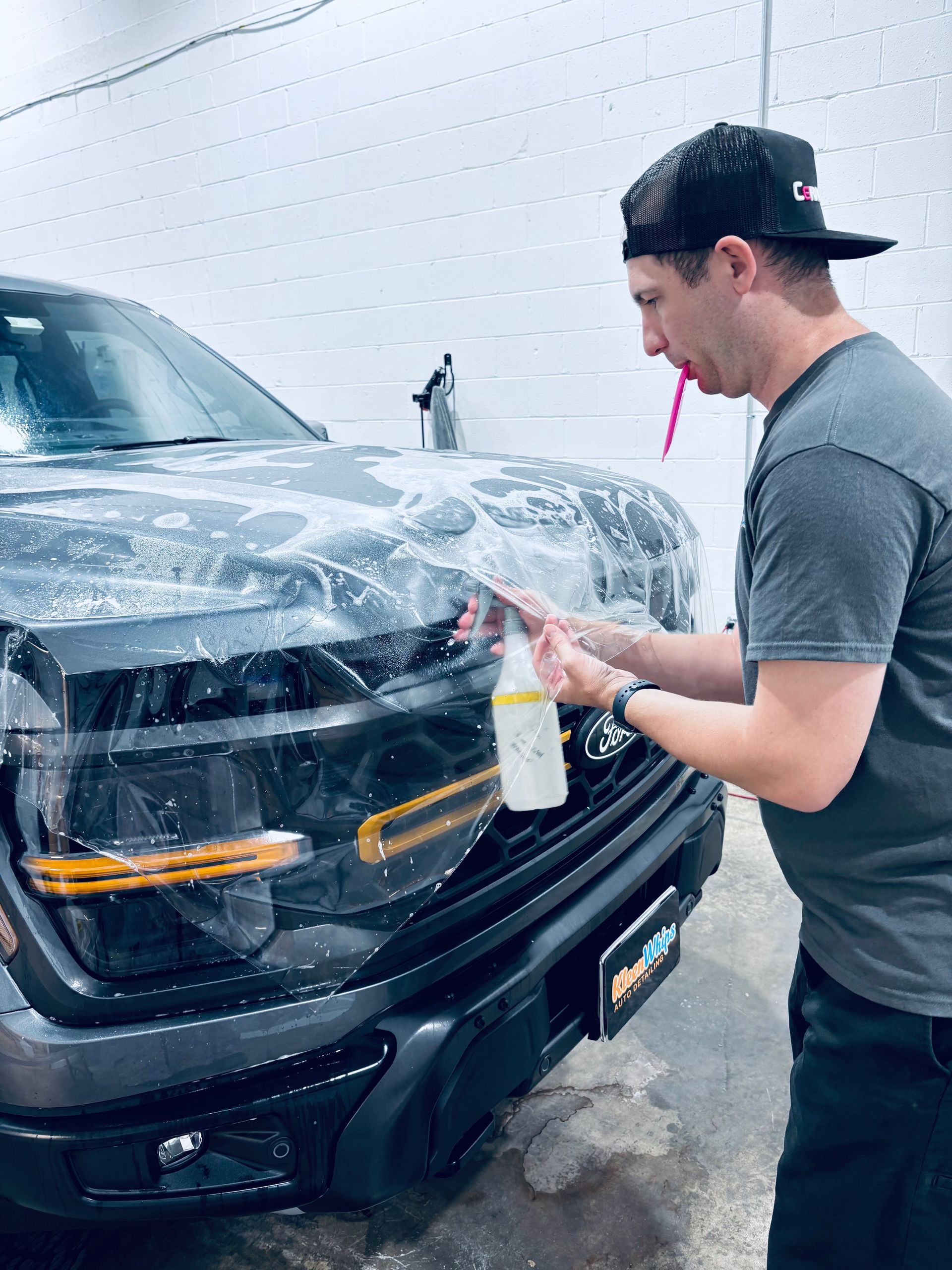
Common PPF Thickness Options
6-Mil Films: The thinnest option. Provides basic protection against light debris. Conforms well to complex curves and is virtually invisible. Best for areas with minimal impact exposure.
8-Mil Films: The most popular middle-ground option. Balances protection, conformability, and appearance effectively. Handles typical road debris from normal driving conditions.
10-Mil Films (and thicker): Premium thickness for maximum impact protection. Absorbs more energy from larger debris and higher-velocity impacts. Ideal for extreme conditions or maximum protection priorities.
How Thickness Affects Protection Level
Impact Absorption: Thicker films absorb more impact energy before that energy transfers to your paint. A 10-mil film absorbs significantly more impact than a 6-mil film.
Penetration Resistance: Thicker films resist punctures better. Sharp debris that might penetrate a thin film may only dent a thicker one.
Coverage Consistency: Thicker films maintain more consistent protection across the entire covered area. Thinner films can stretch during installation, creating spots with reduced protection.
Impact Resistance Differences by Thickness
6-Mil Performance: Handles sand, small pebbles, and light road spray. Adequate for city driving and covered parking situations.
8-Mil Performance: Handles typical highway debris, including medium-sized gravel and normal road hazards. Reliable for daily commuters and mixed driving conditions.
10-Mil Performance: Handles larger debris, higher-velocity impacts, and repeated harsh conditions. Maximum protection for highway-heavy driving and gravel road exposure.
The protection difference between 6-mil and 10-mil is substantial. The difference between 8-mil and 10-mil is meaningful but less dramatic.
Self-Healing Capability and Thickness
Self-healing properties exist in the clear coat layer, not the urethane layer. This means thickness doesn't directly determine self-healing capability.
A 6-mil film with premium clear coat technology may heal better than a 10-mil film with basic clear coat. When evaluating paint protection film, consider self-healing quality separately from thickness specifications.
That said, thicker films often come from premium product lines that also feature advanced self-healing technology. The correlation exists, but thickness itself isn't the determining factor for healing performance.
Visibility and Appearance Considerations
Edge Visibility: Thicker films create more visible edges where the film ends. On complex body lines, thicker films may show more obvious transition lines.
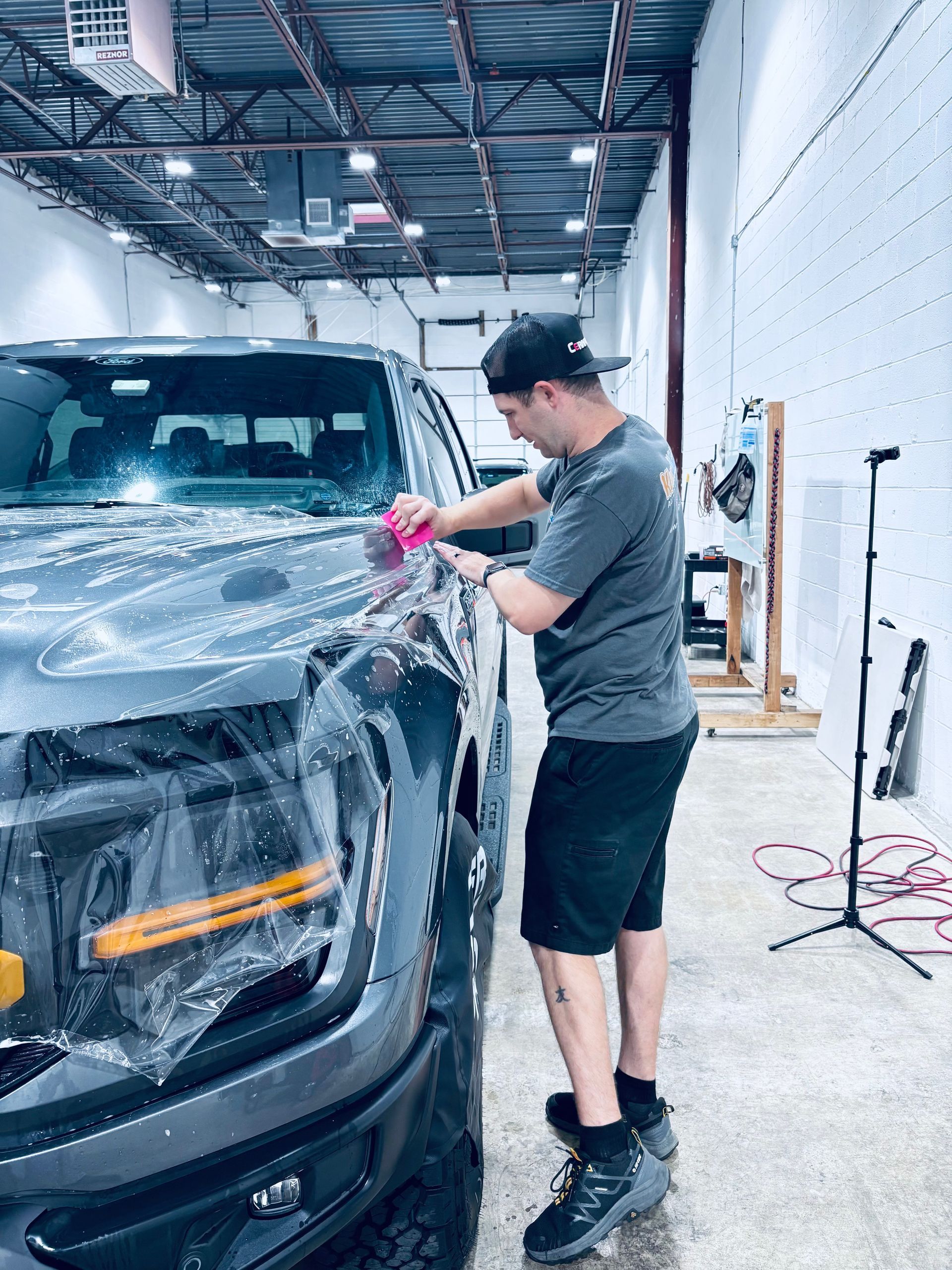
Conformability: Thinner films conform more easily to complex curves and compound surfaces. Thicker films require more heat and technique for seamless installation.
Overall Appearance: Quality films of any thickness should be virtually invisible when properly installed. Thickness alone shouldn't dramatically affect appearance with professional installation.
Cost vs. Thickness Analysis
Thicker films cost more due to higher material costs, increased installation complexity, and premium product positioning. The cost difference between thickness levels can be significant.
Consider whether the additional protection justifies the premium for your specific situation rather than defaulting to the thickest option available.
Matching Thickness to Your Protection Needs
Here's how to choose the right thickness based on your actual situation.
Choose 6-Mil When:
- Your vehicle stays in covered parking most of the time
- You drive primarily in city conditions at lower speeds
- Appearance and invisibility matter more than maximum protection
- Budget is a primary consideration
- You're protecting low-impact areas like door edges and mirrors
Choose 8-Mil When:
- You have a daily driver with mixed driving conditions
- You commute on highways regularly
- You want balanced protection without premium pricing
- Your vehicle parks in exposed areas occasionally
- You want reliable protection for typical road hazards
Choose 10-Mil When:
- You drive highways frequently at high speeds
- Your vehicle faces construction zones, gravel roads, or harsh conditions
- Paint preservation is a top priority, regardless of cost
- You're protecting a high-value or collectible vehicle
- You want maximum protection and peace of mind
Most daily drivers find 8-mil provides excellent protection without unnecessary expense. Reserve thicker options for situations that genuinely warrant maximum protection.
Making Your Decision
Thickness matters, but it's one factor among several. Film quality, installation expertise, and coverage area selection often impact real-world protection as much as mil rating.
Any quality PPF provides dramatically better protection than unprotected paint. Focus on matching thickness to your actual driving conditions and protection priorities.
Get Expert Guidance on PPF Thickness
Now you understand what mil ratings mean and how thickness affects protection. The right choice depends on your vehicle, driving patterns, and protection priorities.
Not sure which PPF thickness is right for your vehicle? Contact Kleen Whips Auto Detailing for expert guidance on selecting the protection level that matches your needs and budget. We'll assess your situation and recommend the thickness that makes sense for how you actually use your vehicle.
Frequently Asked Questions
Is thicker PPF always better protection?
Thicker PPF provides more impact absorption and penetration resistance, but "better" depends on your needs. A 10-mil film on a garage-kept vehicle driven only on weekends may be overkill, while an 8-mil film on a daily highway commuter provides excellent value. Thicker films also cost more and can be slightly more visible at the edges. Match thickness to your actual exposure level rather than defaulting to maximum thickness.
Can I use different thickness PPF on different areas of my vehicle?
Yes, using different thicknesses on different areas is a smart strategy. You might choose thicker film for high-impact areas like the front bumper and hood while using thinner film for lower-risk areas like door edges and mirrors. This approach maximizes protection where you need it most while managing overall cost. Professional installers can help plan coverage that matches protection levels to vulnerability zones.
Does PPF thickness affect how long the film lasts?
Thickness can affect durability, but film quality matters more than thickness alone. A premium 8-mil film may outlast a budget 10-mil film. Thicker films may resist wear from repeated impacts better over time, but proper maintenance and quality construction determine longevity more than mil rating. Most quality PPF lasts 5-10 years regardless of thickness when properly maintained.