

Paint Protection Film for High-Impact Areas: Which Parts of Your Car Need It Most?
Not everyone needs full-vehicle paint protection film coverage, and that's perfectly okay. This strategic guide helps budget-conscious vehicle owners understand which parts of their car face the highest risk of damage and deserve protection the most. Using a "vulnerability map" approach, we break down the areas that get hit repeatedly by road debris - from your front bumper and hood to door edges and rocker panels - and explain why each matters. You'll discover three-tiered protection packages (Essential, Recommended, and Comprehensive) designed to fit different budgets and driving patterns, along with honest advice on when partial coverage makes sense versus when full front-end protection is worth the investment. Learn how to maximize your protection value by focusing PPF on the areas that actually get damaged, without feeling pressured to cover every square inch of paint.
Why Strategic PPF Placement Makes Perfect Sense
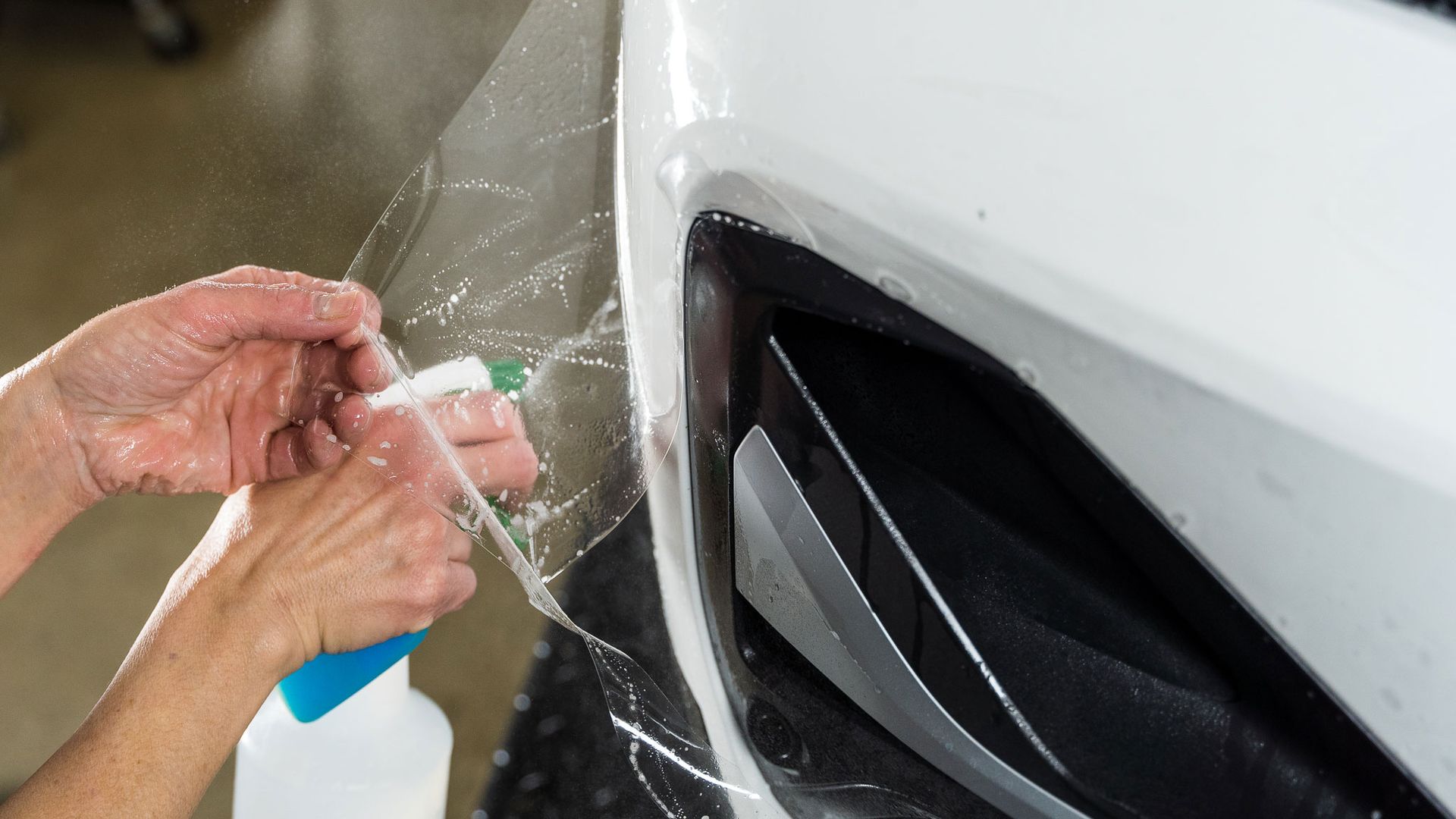
Not everyone needs or wants full-vehicle paint protection film coverage. That's completely reasonable. The good news? You can protect your vehicle's most vulnerable areas without covering every square inch of paint.
Paint protection film coverage areas should match your specific needs and budget. Some parts of your vehicle face constant bombardment from road debris. Other areas rarely get damaged. Smart PPF placement focuses protection where you actually need it, giving you maximum value for your investment.
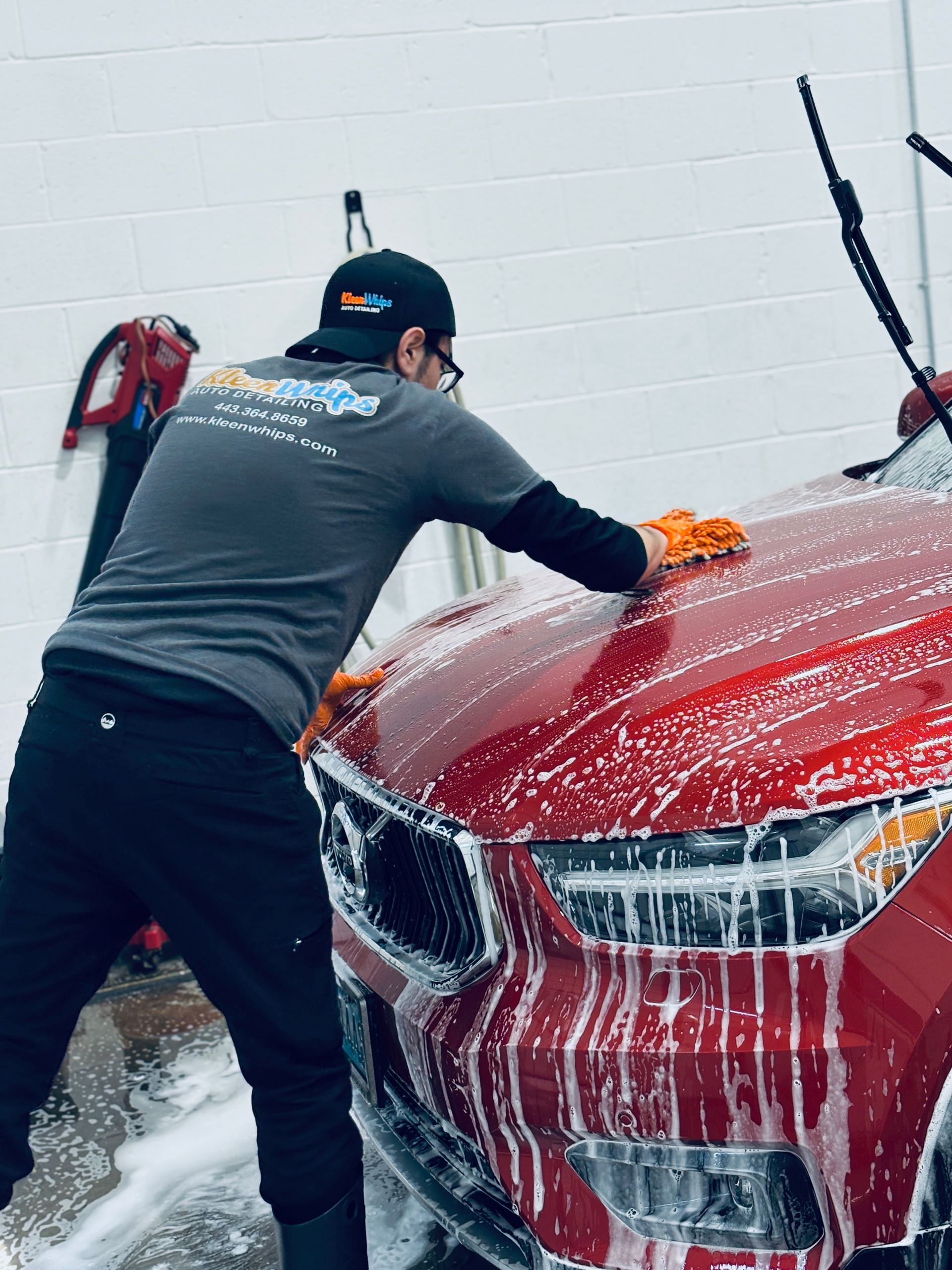
At Kleen Whips Auto Detailing in Bel Air, we help customers design strategic protection plans all the time. You don't need to feel pressured into full coverage. Let's look at which areas get damaged most and how to protect them effectively.
The Vehicle Vulnerability Map: Where Damage Actually Happens
After years of installations, clear patterns emerge. Certain areas get hit repeatedly while others stay pristine.
Front Bumper: Takes more abuse than any other part. Every rock, gravel piece, and bug hits here first. Highway driving means constant impacts that chip paint.
Hood: Rocks from vehicles ahead land here constantly. Hood damage shows prominently and affects the appearance significantly.
Front Fenders: Leading edges catch debris from oncoming traffic and vehicles you pass. Upper portions near the hood show damage quickly.
Side Mirrors: Stick out into the airflow, catching debris, bird droppings, and parking scratches. Expensive to repaint.
Door Edges: Parking lot dings, wall contact, and careless door opening create frequent damage.
Rocker Panels: Get pelted by debris from your tires and passing vehicles. Salt and gravel concentrate here.
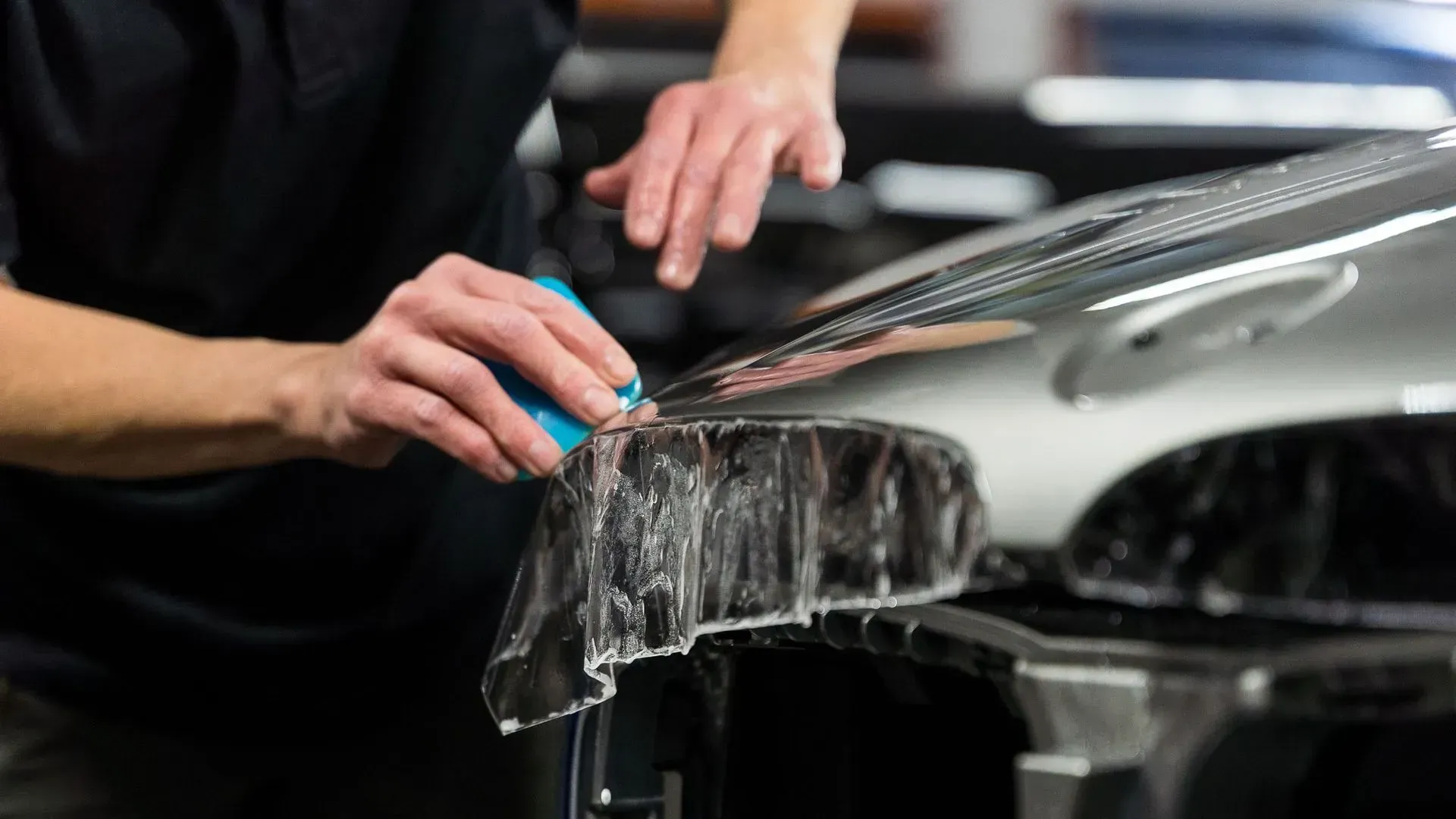
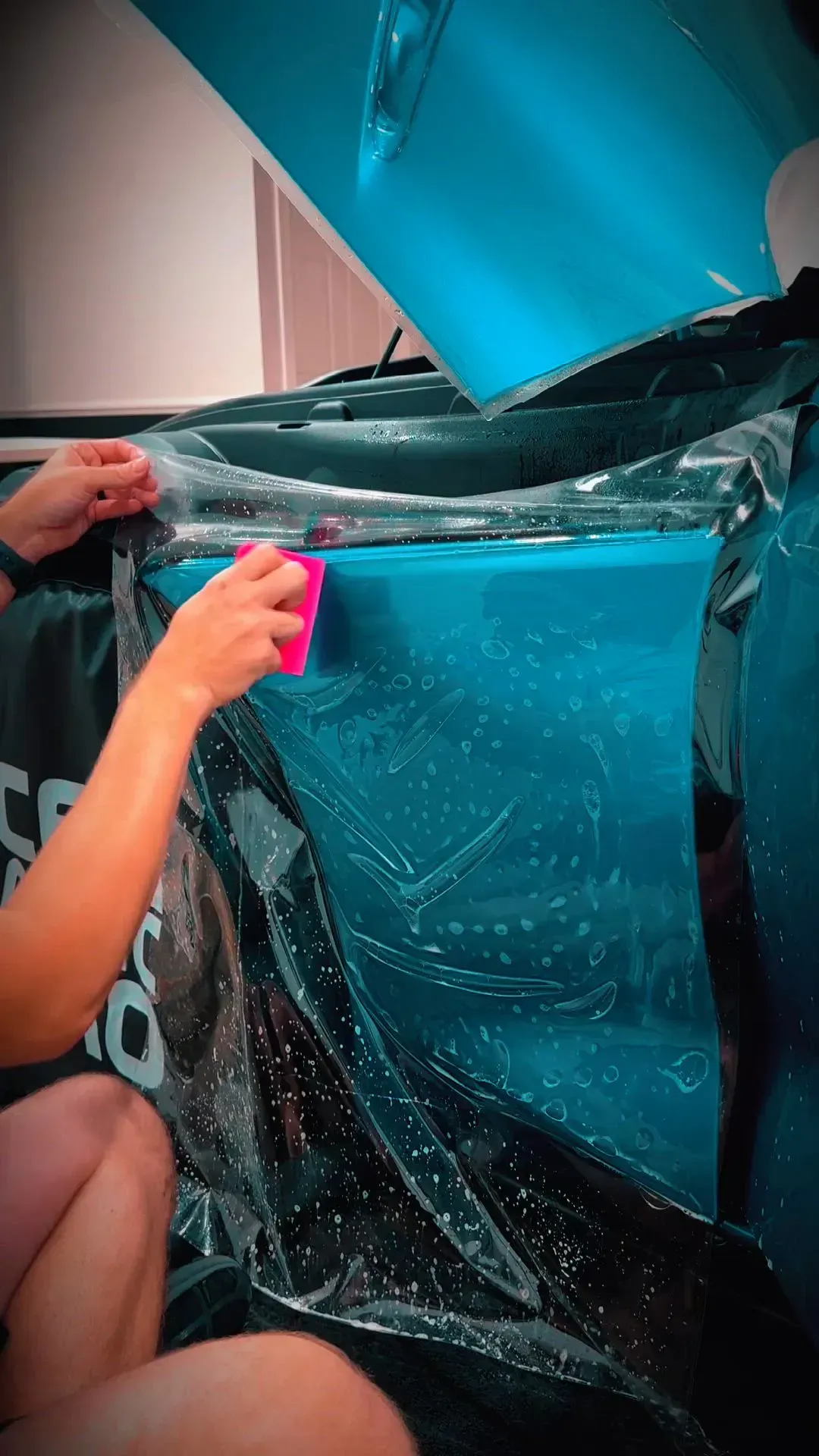
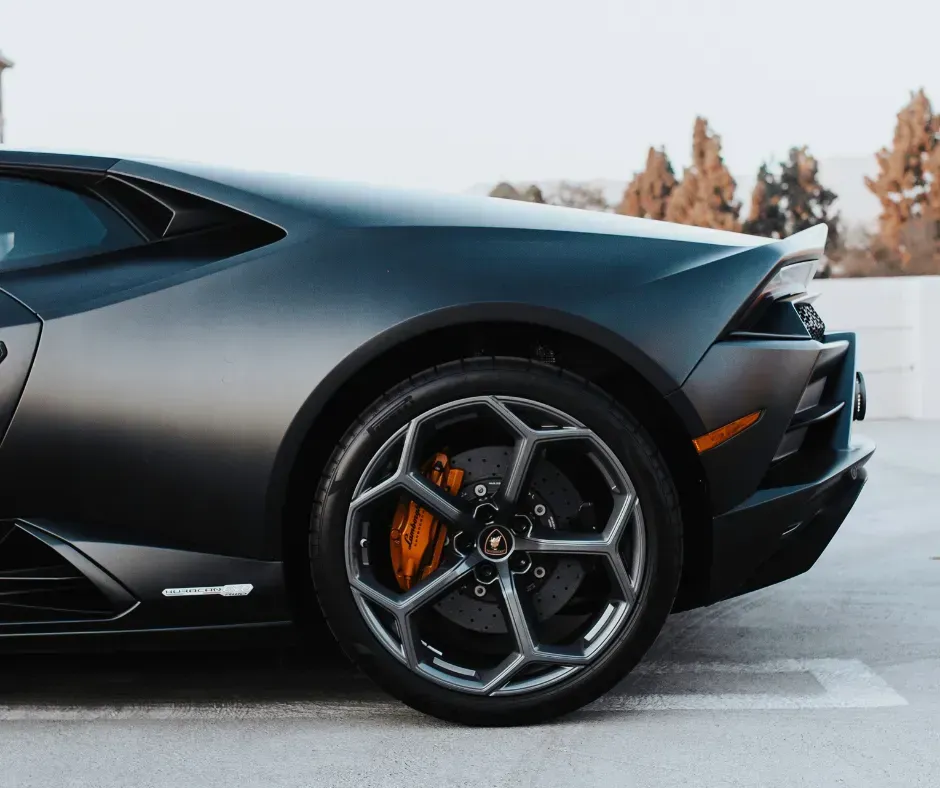
Damage Patterns by Vehicle Type
Daily Commuters: High-speed highway driving makes front-end protection critical. Focus on bumper, hood, and fenders.
SUVs and Trucks: More door and rocker panel damage from parking and off-road use. Mirror protection is important due to the width.
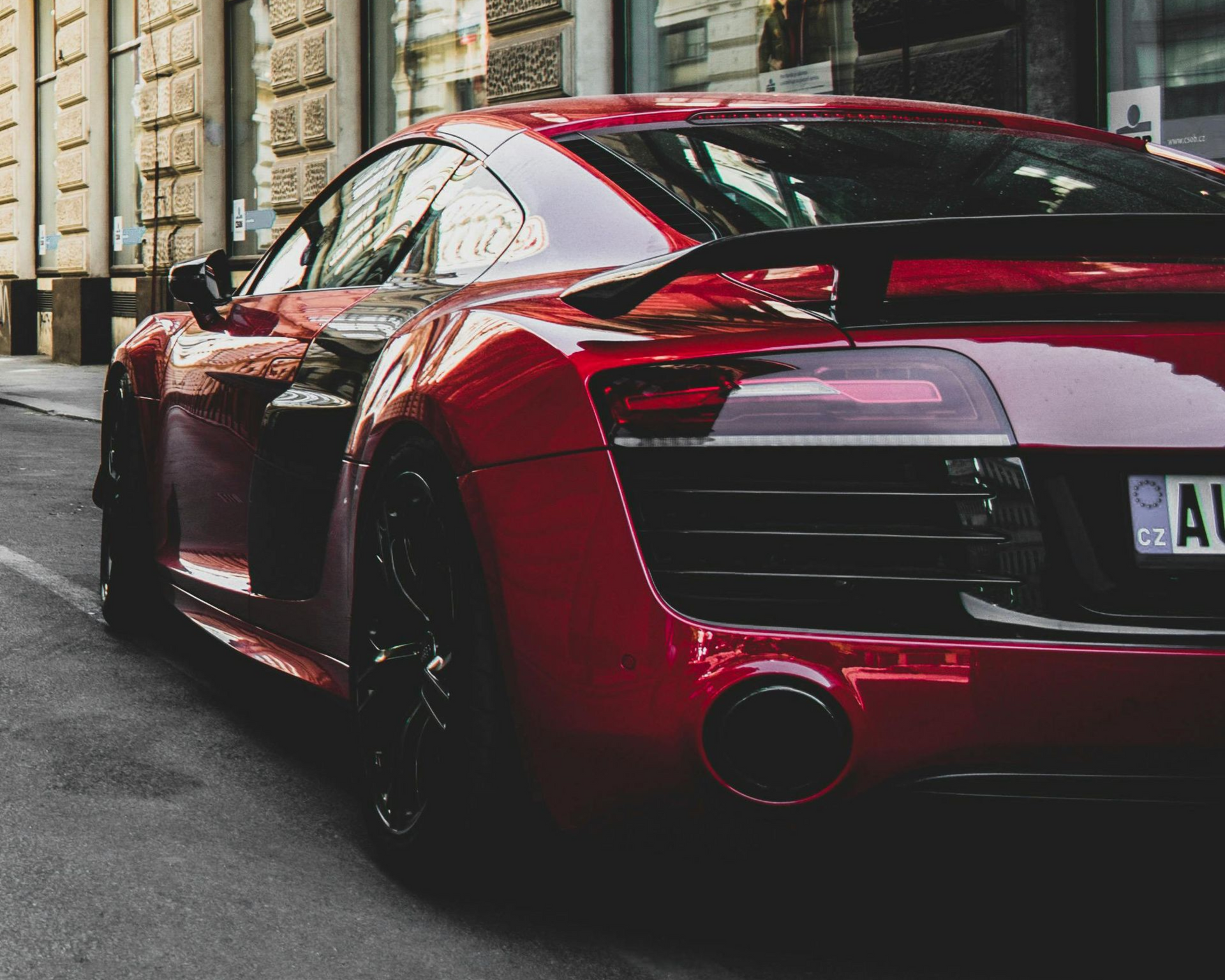
Sports Cars: Lower front ends catch more debris. Full front-end coverage often makes sense.
Family Vehicles: Door edges and rocker panels see heavy use from kids and shopping carts.
Tiered Protection Approaches for Every Budget
Here's how to think about PPF coverage based on what matters most to you.
Essential Protection (Budget-Conscious) Covers the absolute highest-risk areas that get damaged most frequently:
- Front bumper
- Headlights
- Fog lights
- Mirror caps
This package prevents the most common damage points. It's perfect if you're working with a tight budget but want meaningful protection. You're covering areas that would otherwise need repair or repainting within a few years.
Recommended Protection (Balanced Approach): Adds critical front-end coverage for comprehensive highway protection:
- Everything in the Essential package
- Partial hood (front portion)
- Partial front fenders
- Door edges
This level gives you solid protection against typical driving hazards. Most customers find that this hits the sweet spot between coverage and cost. You're protecting areas that face regular exposure without going to full coverage.
Comprehensive Protection (Maximum Front-End) Full front-end coverage for serious protection:
- Everything in the Recommended package
- Full hood coverage
- Full front fender coverage
- Rocker panels
- Rear bumper sections
This approach protects everything that commonly gets damaged. It's ideal for new vehicles, high-value cars, or anyone planning long-term ownership. You're maximizing protection while stopping short of full-vehicle coverage.
Strategic Coverage Decisions That Make Sense
Vehicle Value: Higher-value vehicles often justify more coverage because paint repair costs more.
Driving Patterns: Highway commuters benefit from hood and fender protection. City drivers might prioritize door edges and mirrors.
Ownership Plans: Keeping your vehicle 10+ years? More coverage makes sense. Trading in 3-4 years? Essential coverage might be plenty.
Risk Tolerance: Some people want full front-end protection. Others accept some risk in less vulnerable areas. Neither is wrong.
When Full Coverage Actually Makes Sense
Sometimes full-vehicle or full-front coverage really is the best choice.
Brand New Vehicles: Protecting from day one preserves showroom condition indefinitely.
Exotic or Luxury Vehicles: High-end paint and expensive repairs make full coverage economically sensible.
Lease Vehicles: Avoiding wear-and-tear charges at lease end can save thousands.
High-Mileage Drivers: 30,000+ miles per year means faster damage accumulation, justifying more coverage.
Cost vs. Coverage: Making the Math Work
PPF prevents damage that costs more to repair than the film costs to install. The question is which damage you're most likely to face.
Front bumper and hood repaints typically cost hundreds to over a thousand dollars each. Essential PPF coverage prevents the most common repairs. Recommended coverage prevents most typical damage. Comprehensive coverage prevents almost everything from regular driving.
Choose based on which repairs you want to avoid and what fits your budget. There's no wrong answer.
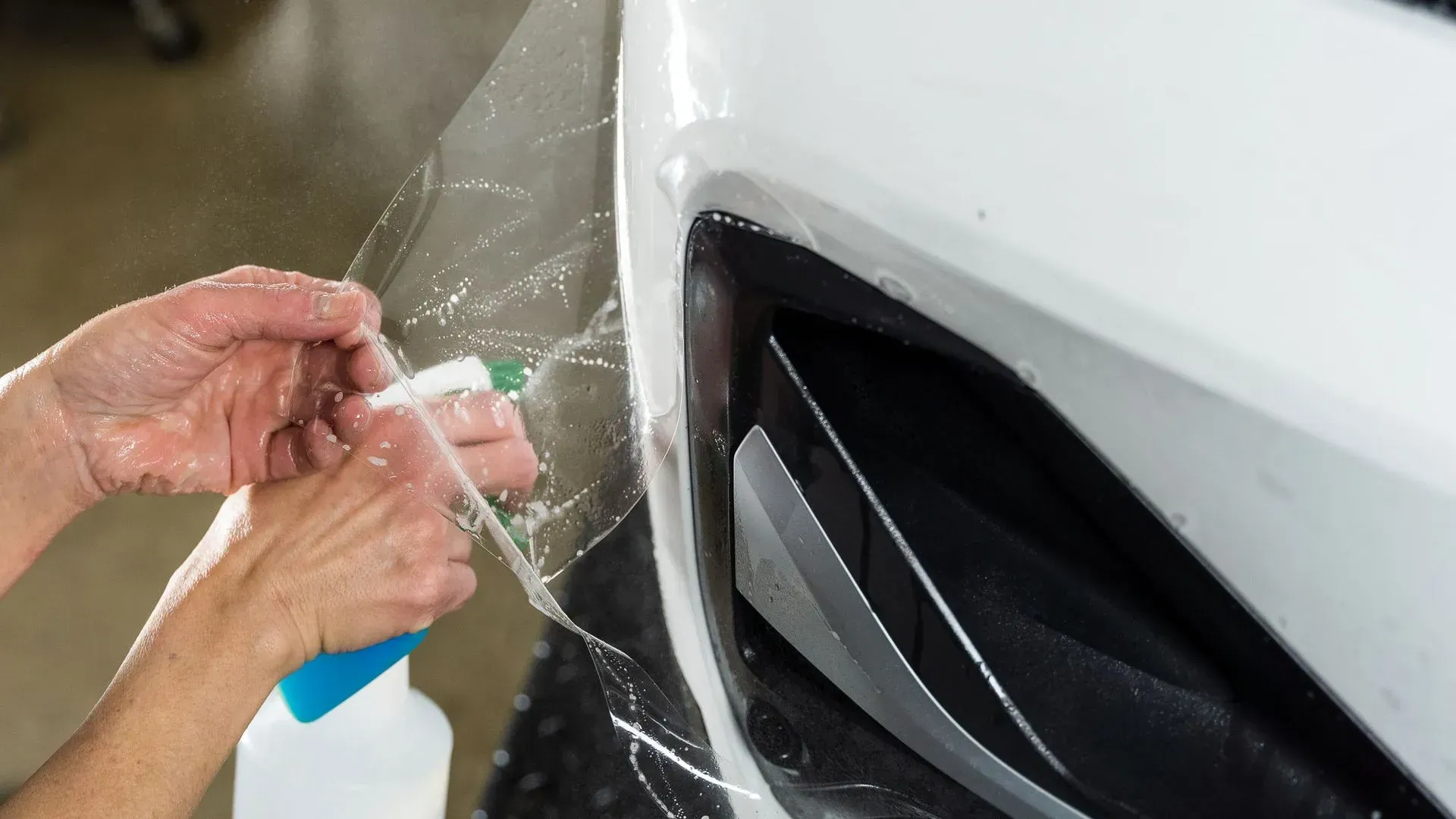
Customizing Your Coverage Plan
Our paint protection film packages offer different coverage levels, but we can also customize to your specific needs. Want a full hood but only partial fenders? Or rocker panels without door edges? We design around what makes sense for you.
The key is honest conversation about your budget, vehicle use, and protection goals. We're here to help you protect what matters most within your budget. You can always add more coverage later as the budget allows.
Let's Design Your Protection Plan
Now you understand which areas face the most risk and how to think about strategic coverage. You can protect your vehicle's most vulnerable spots without necessarily covering everything.
The right approach depends on your vehicle, your driving, your budget, and your priorities. There's no one-size-fits-all answer, and that's fine.
Ready to protect your vehicle strategically? Contact Kleen Whips Auto Detailing, and we'll design a custom PPF protection plan that fits your budget and protects your vehicle's most vulnerable areas. We'll assess your specific situation and recommend coverage that actually makes sense for you.
Frequently Asked Questions About Paint Protection Film Coverage Areas
What is the minimum PPF coverage that's actually useful?
The minimum useful coverage is the front bumper, headlights, and fog lights. This protects the absolute highest-impact zone where most visible damage occurs. While more coverage provides better protection, even this basic level prevents the most common chips and damage that would otherwise require expensive repairs. For budget-conscious buyers, this essential package delivers real protection value without covering the entire vehicle.
Can I add more PPF coverage later if I want?
Yes, you can add PPF coverage at any time. Many customers start with partial front-end coverage and add hood, fenders, or other areas later as budget allows. The main consideration is that your paint should be in good condition when adding new film. If the original protected areas look perfect and unprotected areas show some wear, you might want paint correction before adding more coverage.
Does partial PPF coverage look weird or obvious?
Professional PPF installation is nearly invisible. The film edges are carefully tucked and positioned so you don't notice where coverage ends. Most people can't tell which areas of your vehicle have PPF unless they're specifically looking for it. Our installers at Kleen Whips position film edges along natural body lines and panel gaps to maintain a seamless appearance.